Wilderness Landscape & Natural Heritage
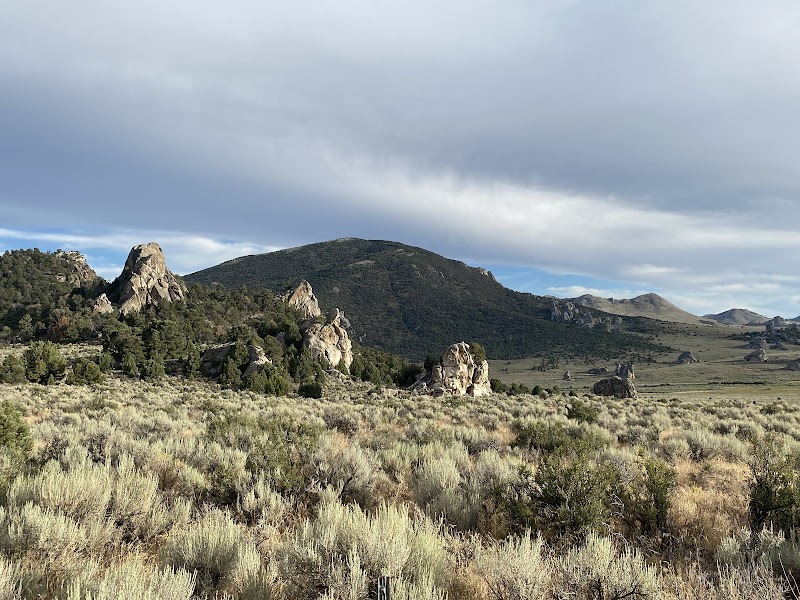
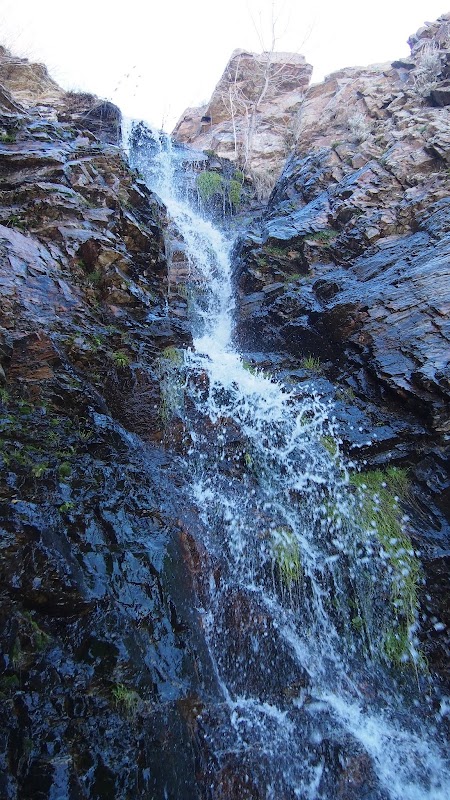
Cache National Forest spans approximately 880,000 acres across northern Utah and southern Idaho, featuring portions of the Bear River and Wellsville mountain ranges. The forest's geography includes high-elevation peaks, deep canyons, and expansive plateaus, ranging from about 4,500 to over 9,000 feet in elevation. Vegetation is dominated by various species of pine, fir, and spruce, supporting habitats for mule deer, elk, black bears, and a variety of bird species. The forest was originally established in 1908 and was later administratively combined with the Wasatch National Forest to form the Uinta-Wasatch-Cache National Forest complex. This area offers a rich history tied to Native American use, early settlers, and historic forest management efforts. Visitors to Cache National Forest enjoy over 800 miles of trails suitable for hiking, mountain biking, and horseback riding. Popular activities include fishing in cold-water streams, camping in developed and dispersed sites, and winter sports like snowmobiling and cross-country skiing. Notable landmarks include the Wellsville Mountains, particularly the steep and scenic Wellsville Circle Trail, and the Bear River Range, known for dramatic cliffs and alpine meadows. The forest appeals to outdoor enthusiasts seeking both solitude and challenging terrain, with elevation gains providing access to panoramic vistas. Its proximity to Logan, Utah, and surrounding small towns makes it accessible yet still largely wilderness in character.