Wilderness Landscape & Natural Heritage
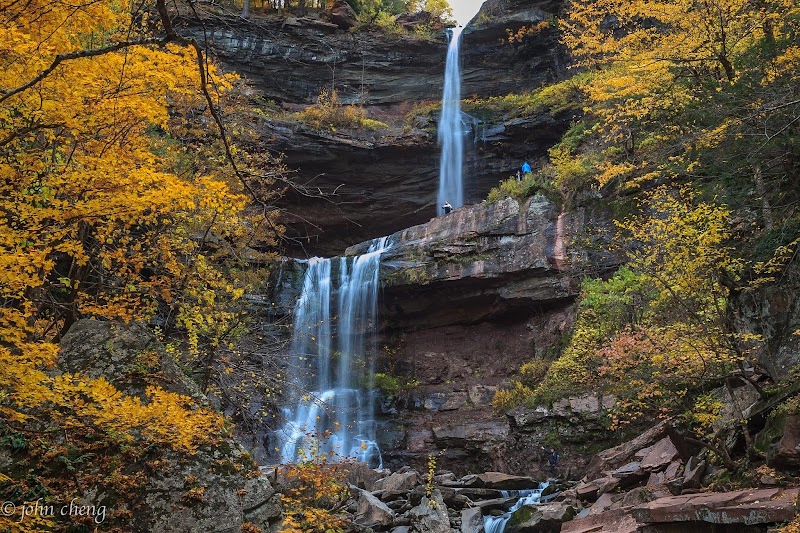
Located in southeastern New York State, Catskill Park encompasses over 700,000 acres of forested land, mountains, streams, and lakes, forming a significant portion of the Catskill Mountains region. The park is a mix of public Forest Preserve lands protected under New York's 'Forever Wild' clause and private lands, managed primarily by the New York State Department of Environmental Conservation. Its topography includes notable peaks like Slide Mountain, the highest in the Catskills, along with steep ravines, waterfalls, and glacially sculpted valleys. The park’s forests are primarily northern hardwoods, including species such as maple, beech, and birch, providing important habitat for wildlife like black bears, bobcats, and migratory birds. Historically, the Catskills have significance as a 19th-century cultural and artistic hub, influencing the Hudson River School painters, and the park remains a popular refuge for hikers, anglers, climbers, and paddlers. Key recreational activities center around hiking the extensive trail system that links historic landmarks, including the Devil’s Path and Overlook Mountain, as well as enjoying fishing for brook trout in crystalline streams. The park also contains several small wilderness areas and the Forest Preserve's largest expanse, contributing to rare old-growth forest patches and sensitive habitats. Visitors are drawn to the park for outdoor solitude, scenic vistas overlooking Hudson River valley and nearby Adirondacks, and the vibrant fall foliage displays. Seasonal activities range from summer camping and mountain biking to winter skiing and snowshoeing, making Catskill Park an accessible destination for outdoor enthusiasts of all skill levels.