Wilderness Landscape & Natural Heritage
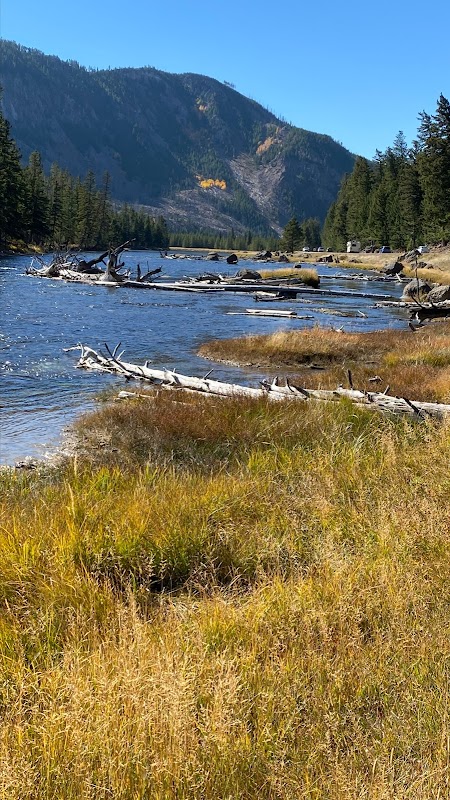
Deer Lodge National Forest was originally established in 1907 in Montana, covering a diverse range of forested and mountainous land. It was located in the western part of the state near the city of Deer Lodge, with terrain featuring mixed coniferous forests, river valleys, and rugged mountains. The forest historically supported wildlife such as elk, deer, black bears, and numerous bird species, serving as an important habitat and resource area. Due to administrative changes in 1931, Deer Lodge National Forest was combined with other adjacent national forests and no longer exists as an independent forest unit. Today, much of what was once Deer Lodge National Forest is managed within the boundaries of the Beaverhead-Deerlodge National Forest, which is Montana's largest national forest. The area's varied landscape offers opportunities for hiking, camping, hunting, fishing, and horseback riding, with access to historic mining sites and scenic byways that reflect Montana's heritage. The elevation ranges provide various ecosystems from lower valley grasslands to higher altitude spruce and fir forests. Visitors to the region enjoy exploring unspoiled wilderness sections and appreciating the historical context of early forest conservation efforts in Montana.