Wilderness Landscape & Natural Heritage
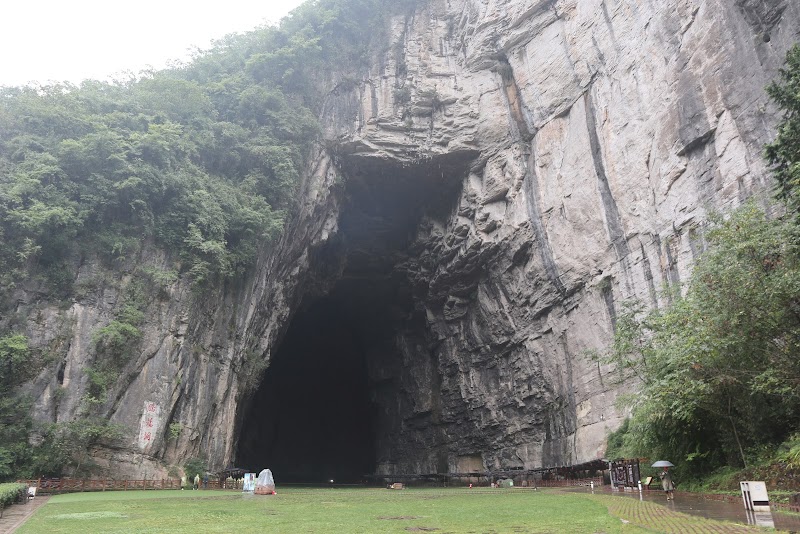
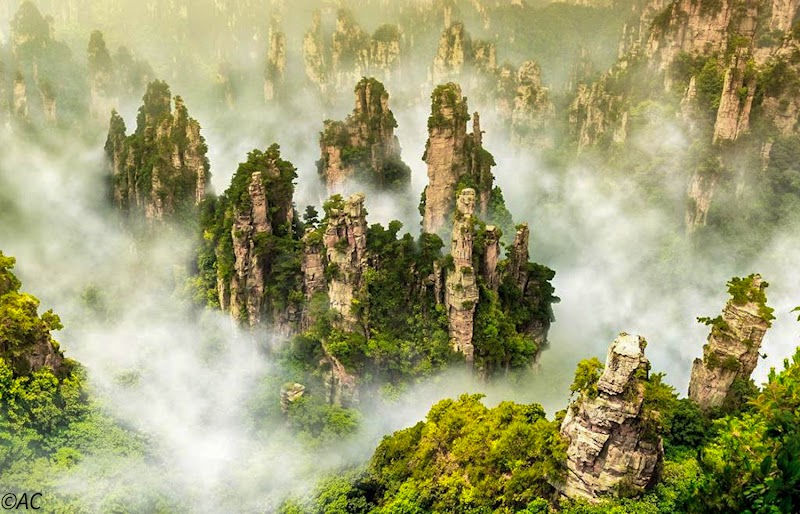
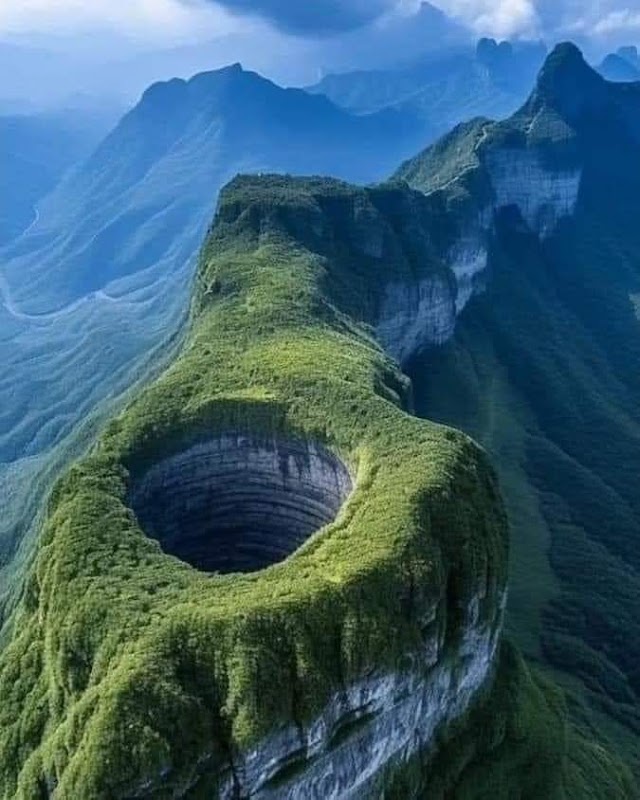
Located in southwestern Hubei Province, China, Enshi Grand Canyon National Forest Park spans a spectacular stretch of remote, rugged terrain distinguished by its towering limestone cliffs, steep ravines, and dense subtropical forests. The park forms part of the larger Enshi Tujia and Miao Autonomous Prefecture, an area known for its rich cultural heritage and ethnic diversity. The canyon itself stretches over 35 kilometers and reaches depths exceeding 1,100 meters, making it one of China’s most dramatic karst canyons. This remote landscape features limestone caves, underground rivers, waterfalls, and unique geological formations that have been carved over millions of years by natural erosion. The region's subtropical climate supports a diverse range of flora and fauna, including many rare and endemic species such as the Chinese giant salamander and various subtropical plant species. Visitors to Enshi Grand Canyon can engage in a variety of outdoor activities including multi-day trekking routes through the scenic valleys, rock climbing on sheer cliff faces, and river rafting along the clear streams below. The park is also home to impressive natural landmarks such as the Tenglong Cave—the world’s largest cave system—and the renowned Migong Waterfall. Local Tujia and Miao ethnic culture adds rich cultural value, and visitors may witness traditional villages and festivals within the park vicinity. Due to its relatively recent development as a tourism destination, Enshi Grand Canyon offers a more untouched and tranquil experience compared to China's more crowded natural attractions. It appeals to adventurous travelers seeking dramatic scenery, outdoor challenge, and cultural immersion in a pristine natural setting.