Wilderness Landscape & Natural Heritage
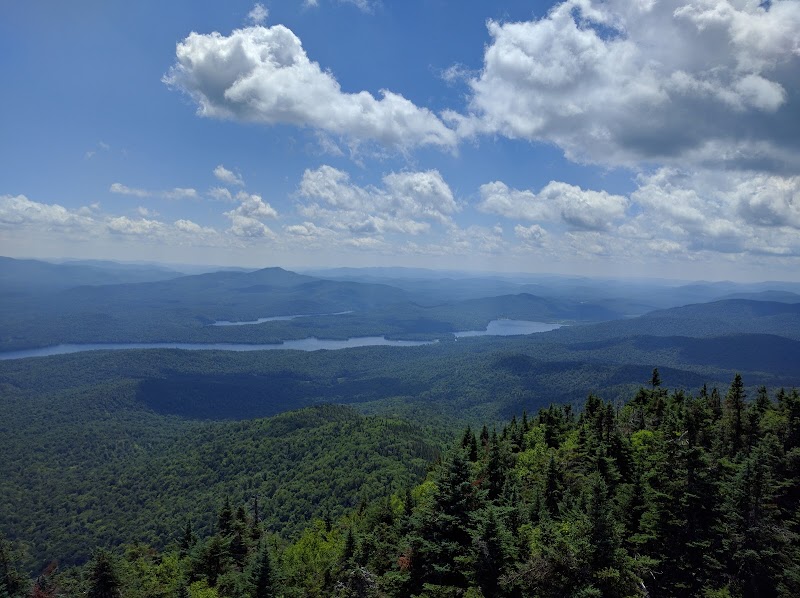
Ferris Lake Wild Forest covers approximately 28,000 acres in the southwestern portion of the Adirondack Park. This wild forest is characterized by a mix of coniferous and deciduous forests, numerous lakes and ponds, wetlands, and rolling hills. The area lies primarily within Herkimer and Hamilton counties and offers a quieter alternative to more developed long-distance trails in the Adirondacks. Its landscape features multiple small lakes, including the namesake Ferris Lake, along with other water bodies that provide opportunities for paddling, fishing, and wildlife observation.
The forest supports diverse wildlife such as black bear, moose, beaver, and a variety of bird species, including loons on some of the lakes. The area's forest composition includes eastern hemlock, spruce, and hardwood species like maple and birch, showcasing seasonal color changes. Historically, the lands were used for logging and small-scale farming before being incorporated into the Adirondack Park, which led to widespread reforestation.
Visitors to Ferris Lake Wild Forest engage in hiking on an extensive network of foot trails and old logging roads, backcountry camping on islands or shorelines of several lakes, and snowmobiling on designated trails during winter months. The area has several primitive campsites that offer a secluded outdoor experience. Because of its remoteness and limited development, Ferris Lake Wild Forest appeals primarily to experienced hikers and paddlers seeking solitude and a connection with nature. Access points include trailheads off of State Routes and forest roads, although some routes may require a 4WD vehicle due to rough conditions.
Overall, Ferris Lake Wild Forest provides a varied outdoor experience in a classic Adirondack wild forest setting, featuring quiet waterways, scenic vistas, and remote backcountry access away from the more traveled parts of the park.