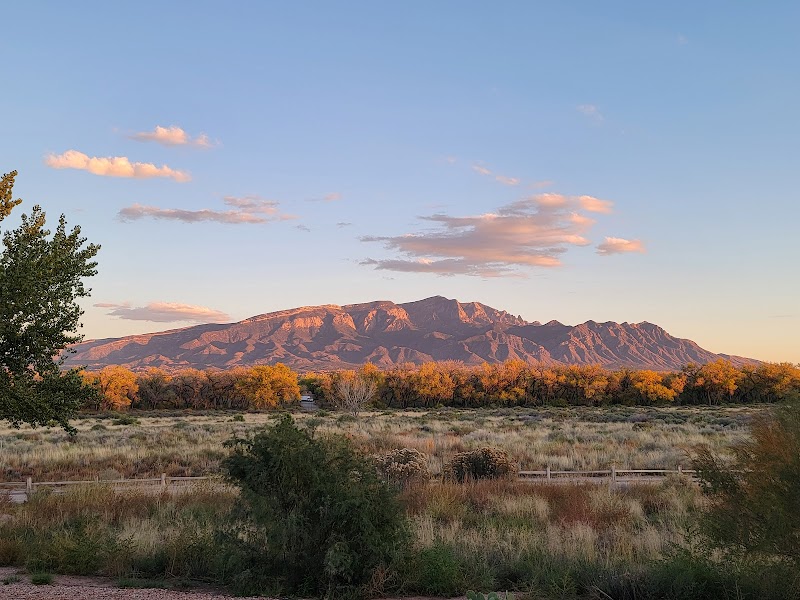
Wilderness Landscape & Natural Heritage
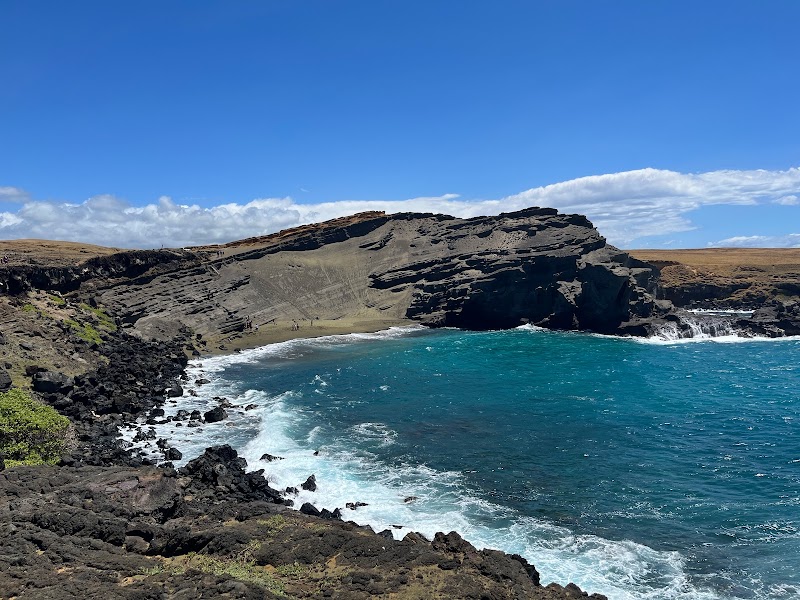
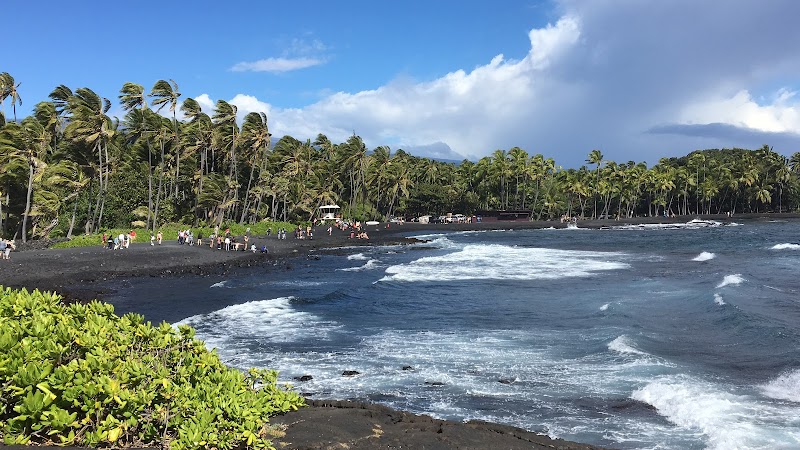
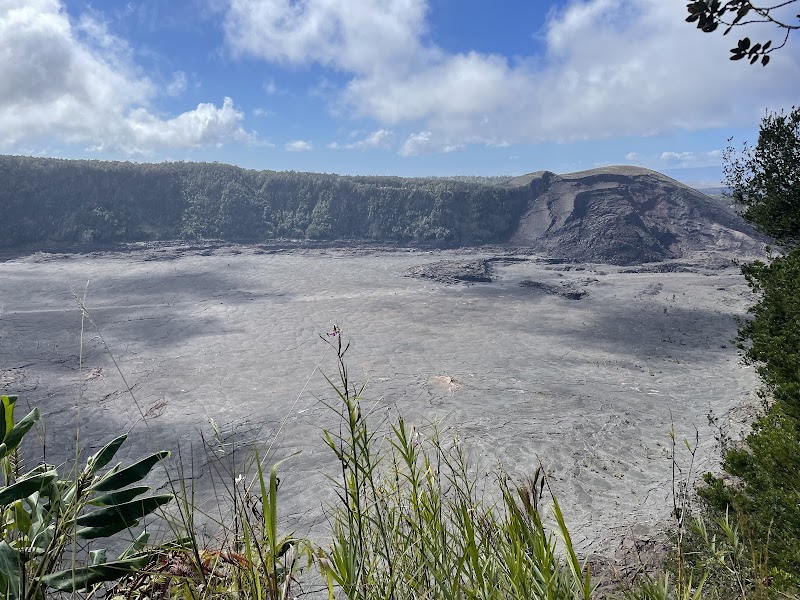
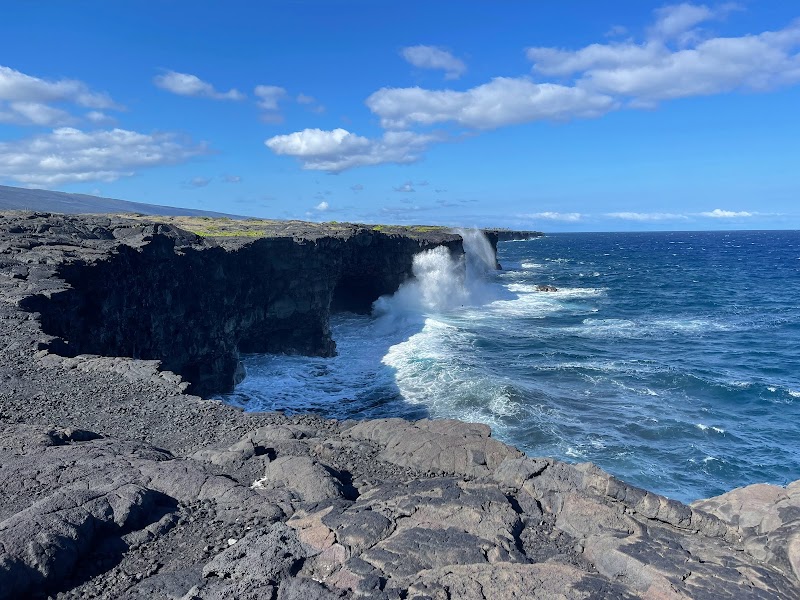
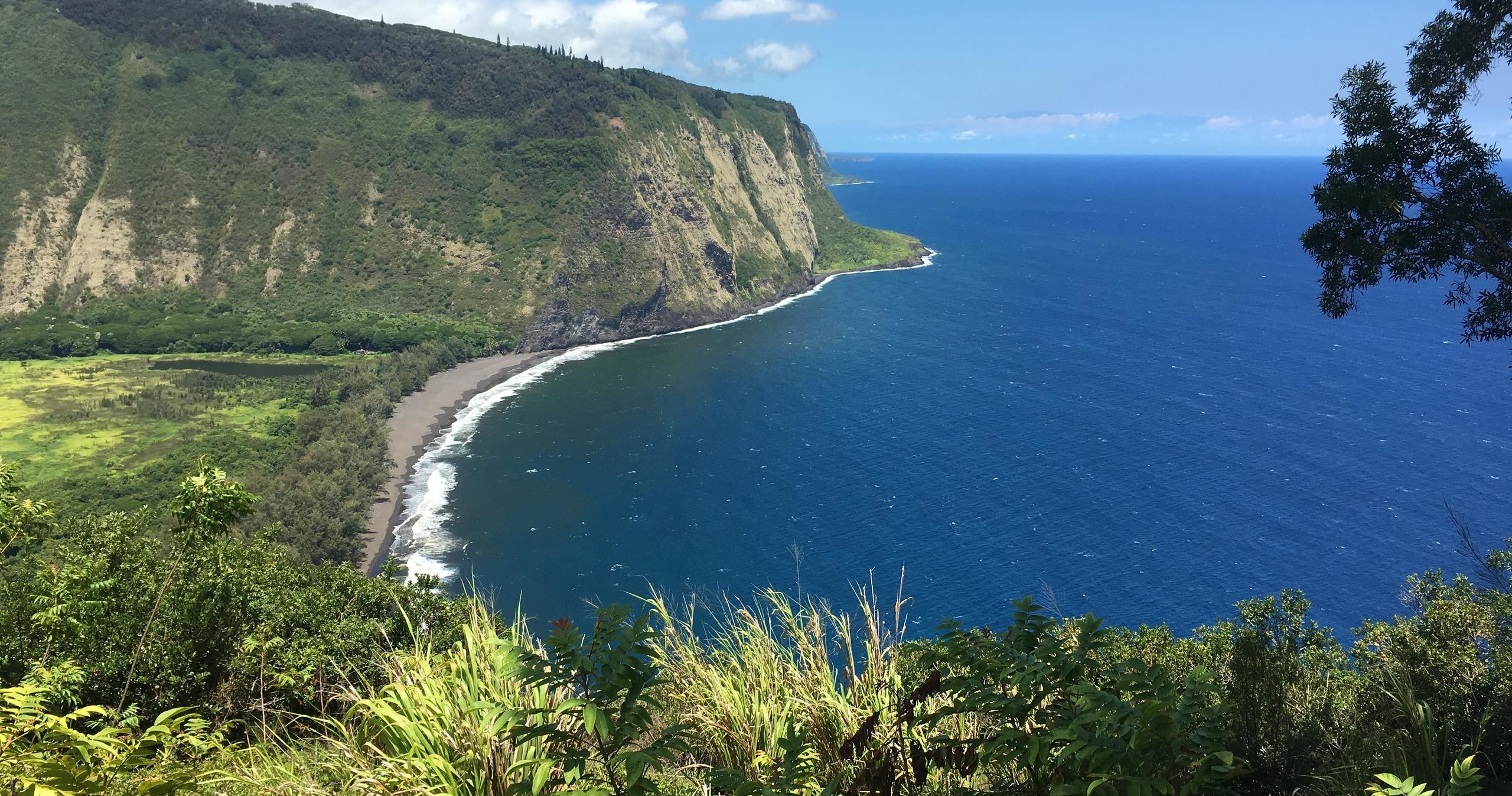
Kaʻū Forest Reserve encompasses over 100,000 acres on the southern flank of Mauna Loa in the Kaʻū district of the Big Island of Hawaiʻi. Established in 1929, this reserve protects some of the last remaining native Hawaiian rainforests and cloud forests—vital ecosystems teeming with rare plants and endangered bird species like the ‘ōʻō and Hawaiian honeycreepers. The reserve spans a wide elevation gradient, from lowland tropical areas near sea level to high-elevation forests laden with native ʻōhiʻa and koa trees. Visitors can explore a network of trails weaving through dense forests, lava flows, and riparian zones, with opportunities for birdwatching, hiking, and connecting with the island’s natural and cultural heritage. Notable landmarks include the notable Kīpuka forests—patches of ancient forest surrounded by lava flows—preserving pockets of biodiversity. The reserve’s remote setting and limited infrastructure make it ideal for backcountry enthusiasts and researchers, while hikers enjoy scenic forest trails and occasional views of the Pacific Ocean and Mauna Loa’s volcanic landscape. Preservation of this forest reserve is crucial for protecting native species, mitigating invasive plant threats, and supporting watershed health. Whether venturing on day hikes or conducting longer explorations, Kaʻū Forest Reserve offers a serene wilderness experience rich in natural beauty and Hawaiian ecological significance.