Wilderness Landscape & Natural Heritage
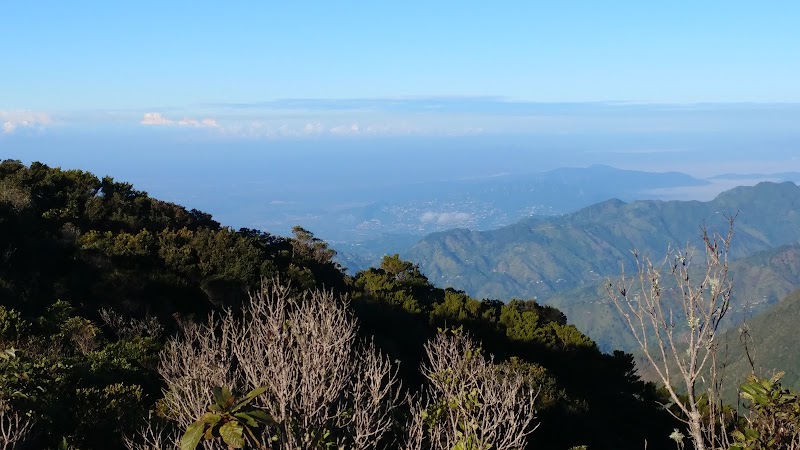
Located in the parish of St. Catherine on Jamaica’s southeastern coast, Hellshire Hills Protected Forest is one of the largest remaining tracts of dry limestone forest on the island. This protected area encompasses rugged limestone hills, coastal scrublands, and patches of dry forest, making it a vital refuge for numerous endemic and endangered plants and animals. The dry forest habitat is characterized by thorny vegetation, drought-resistant trees, and a variety of rare species adapted to arid conditions. Historically, the Hellshire Hills have been less disturbed than other parts of Jamaica, partly due to their dry, rocky terrain, which limited agricultural expansion.
Key wildlife includes the Jamaican iguana, once thought extinct but rediscovered here, as well as the endangered Jamaican Boa and a number of endemic bird species. The forest also supports important plant species such as the Hellshire manjack tree and various cacti and succulents. Recreational opportunities are limited but include hiking and nature observation, with a focus on ecological study and wildlife viewing rather than developed tourist facilities. Its remoteness and challenging terrain require visitors to prepare carefully. The forest’s proximity to the coast also offers occasional views of the Caribbean Sea and access to nearby beaches.
The area is receiving increasing attention from conservation organizations due to threats from illegal charcoal production, invasive species, and habitat fragmentation. Efforts to protect and restore Hellshire Hills continue to be a priority for Jamaican environmental groups. Visitors are drawn by the desire to experience one of Jamaica's last remaining dry forest landscapes and to see rare species in a relatively undisturbed environment.