Wilderness Landscape & Natural Heritage
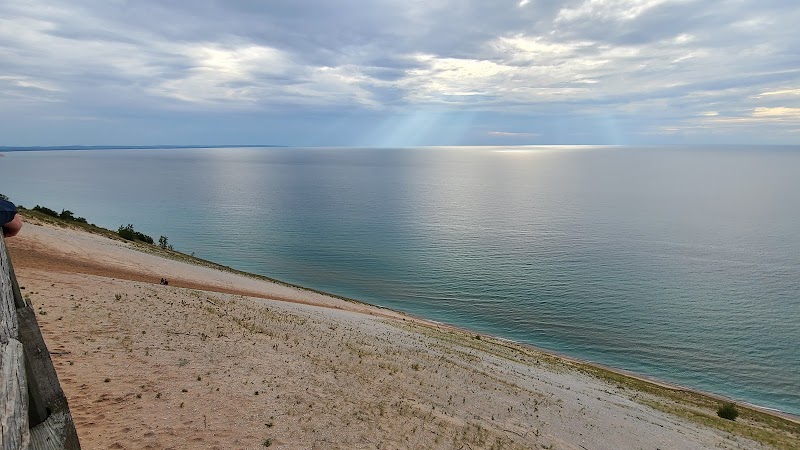
Huron-Manistee National Forest encompasses two combined forest units in the Lower Peninsula of Michigan, covering more than 480,000 acres of protected lands. The Huron National Forest lies east of Manistee and stretches primarily through the eastern Lower Peninsula, while the Manistee National Forest is situated to the west, near Lake Michigan’s shoreline. This area features a mix of hardwood and conifer forests, wetlands, rivers, and numerous inland lakes. The terrain varies from rolling hills to sand dunes, providing varied habitats for a wide range of species including white-tailed deer, black bears, wild turkeys, and many migratory birds. Established in 1945 from earlier separate forests, the area has a rich history shaped by its logging past and cultural ties with Native American tribes, particularly the Ojibwe. Visitors are drawn to the forest for camping, hiking, mountain biking, fishing, and paddling. More than 200 miles of hiking trails traverse the region along with over 150 miles of non-motorized equestrian and mountain biking trails, plus 120 miles of groomed snowmobile trails in the winter. Popular landmarks include the extensive Au Sable River corridor, which is designated as a National Scenic River, and the Big Star Trail, famous for its scenic overlooks and wild blueberry fields. The forest’s diverse ecosystems and abundant waterways appeal to both casual visitors and outdoor adventurers seeking peace and wilderness experiences. Seasonal opportunities range from fishing and boating in summer to cross-country skiing and snowmobiling in winter, making the Huron-Manistee a year-round outdoor destination.