Wilderness Landscape & Natural Heritage
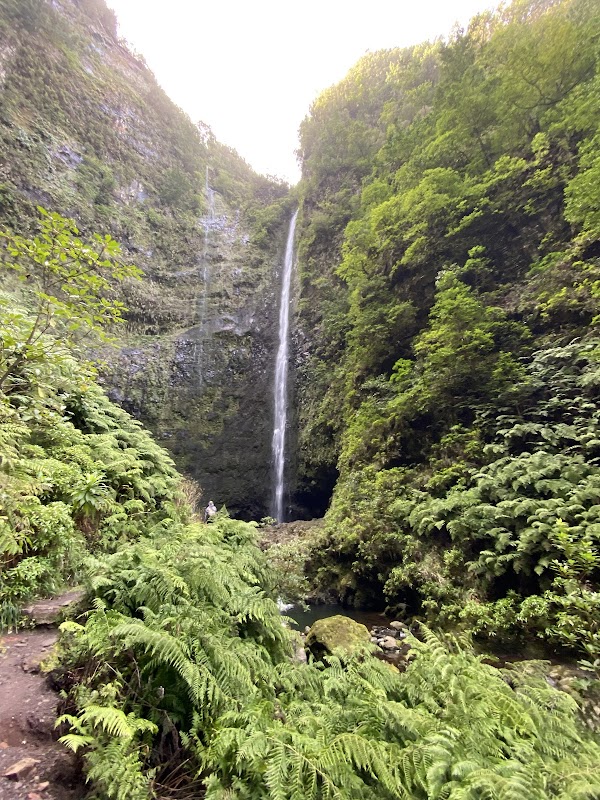
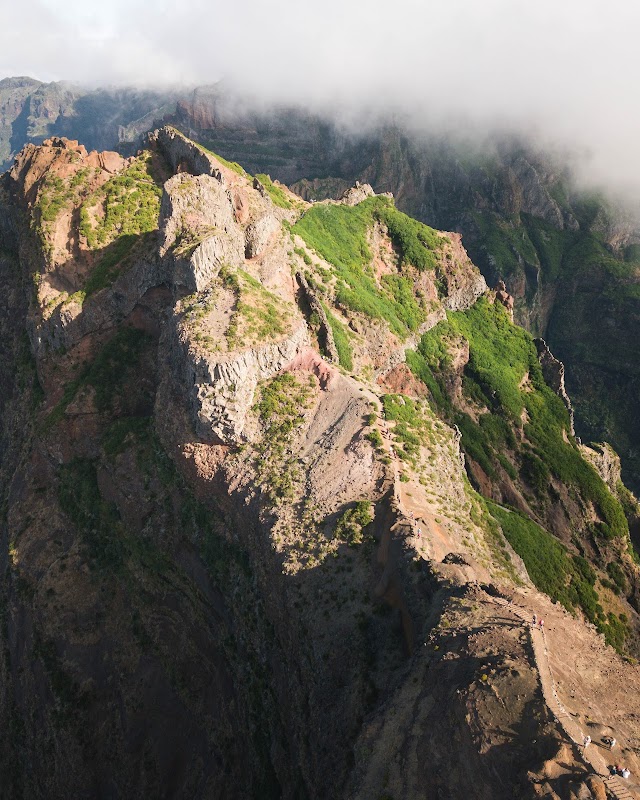
Laurisilva Forest is a dense, evergreen subtropical forest covering approximately 15,000 hectares on the island of Madeira, Portugal. It represents one of the largest surviving laurel forests in the world, a type of forest that was once widespread across Southern Europe and North Africa during the Tertiary period. Designated a UNESCO World Heritage Site in 1999, Laurisilva is characterized by its high levels of humidity, mild temperatures, and unique microclimates fostering rich biodiversity. The forest is home to endemic plants like Madeira mahogany, Madeira lily, and a variety of laurel species, as well as numerous endemic birds and invertebrates. The terrain is mountainous and steep, with deep ravines and permanent streams sustained by frequent mist and rain. Popular outdoor activities include hiking along the levadas — historic irrigation channels unique to Madeira — which offer scenic routes through the forest canopy and access to multiple viewpoints such as Pico Ruivo and Pico do Arieiro. The forest attracts nature enthusiasts, birdwatchers, and photographers interested in its rare flora and fauna as well as its verdant landscapes. Its ecological significance stems from being a remnant of the ancient forests that covered the Mediterranean basin millions of years ago. Protection efforts focus on conserving its unique biodiversity and natural water systems which are critical for the island's water supply. Visitors are encouraged to experience the tranquility and natural beauty of this ecosystem while respecting preservation guidelines.