Wilderness Landscape & Natural Heritage
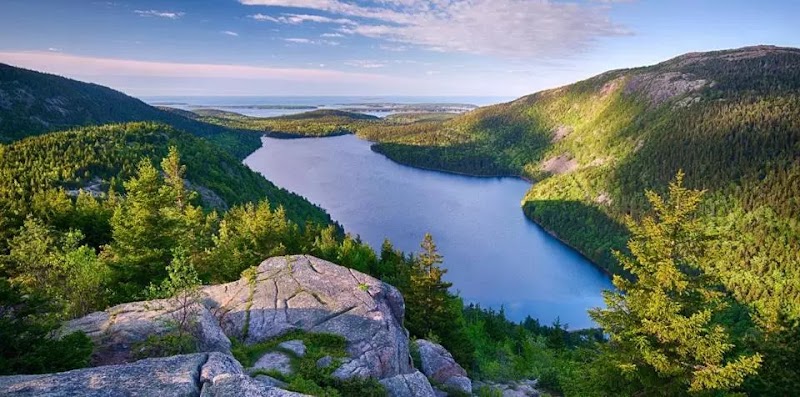
The Maine Forest and Wetlands area around Bradford is characterized by a mix of dense northern hardwood and softwood forests interspersed with large expanses of peat bogs, marshes, and small lakes. This region lies in Penobscot County, occupying a portion of the interior Maine landscape where forests are dominant but wetland ecosystems thrive in the low-lying areas. The terrain is generally flat to gently rolling, with forested ridges and cold-water streams meandering through wetlands. The forest composition includes species such as spruce, fir, sugar maple, and red oak, while the wetlands support sedges, cattails, and a variety of mosses. This combination creates vital habitat for a range of wildlife, including moose, black bear, beaver, and numerous migratory birds, such as great blue herons and common loons.
Historically, this area was used for modest timber harvesting and light trapping but has increasingly been recognized for its ecological importance as part of Maine's broader network of forest and wetland conservation efforts. The wetlands serve as natural flood buffers and contribute to water filtration, making the landscape essential for regional water quality.
Recreational opportunities include backcountry hiking, wildlife observation, snowshoeing in winter, and paddling in wetland waterways. Though not as heavily trafficked as Maine's famous parks, the Bradford area offers solitude and an intimate connection with nature. There are no major developed visitor centers within the immediate vicinity, but local forest roads and access points provide entry for outdoor enthusiasts. The combination of mixed forest and wetlands makes the area appealing to naturalists and outdoor adventurers interested in less crowded environments and those who value bird watching or fishing in quiet waters.
The region also connects to larger protected forestlands and wildlife management areas, enhancing its role as an important wildlife corridor and conservation zone. For visitors, the chance to experience intact wetland systems alongside Maine’s characteristic forest landscape is a key draw, while the relative remoteness offers a more peaceful experience compared to the state's more developed recreation hubs.