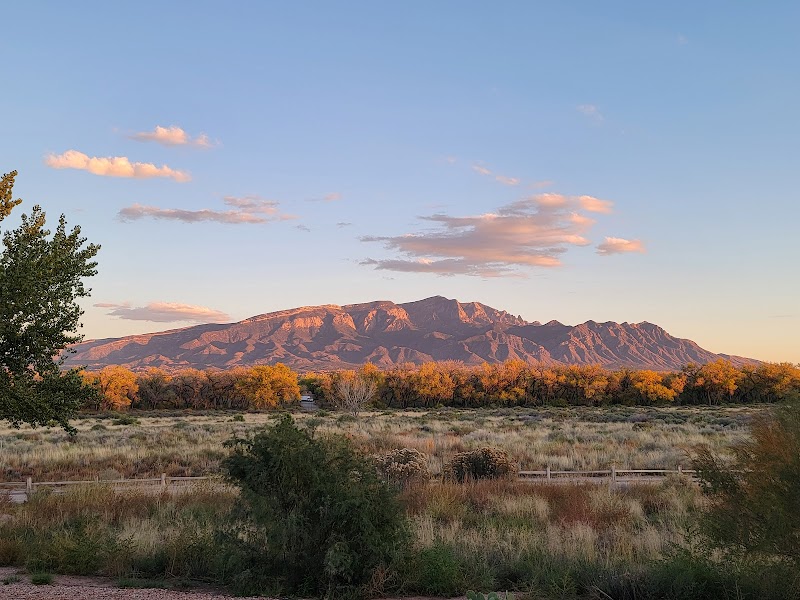
Wilderness Landscape & Natural Heritage
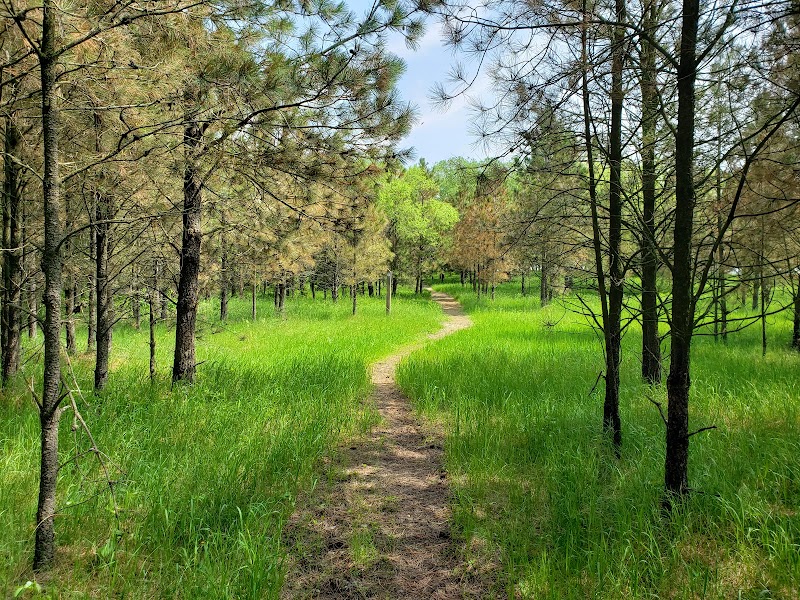
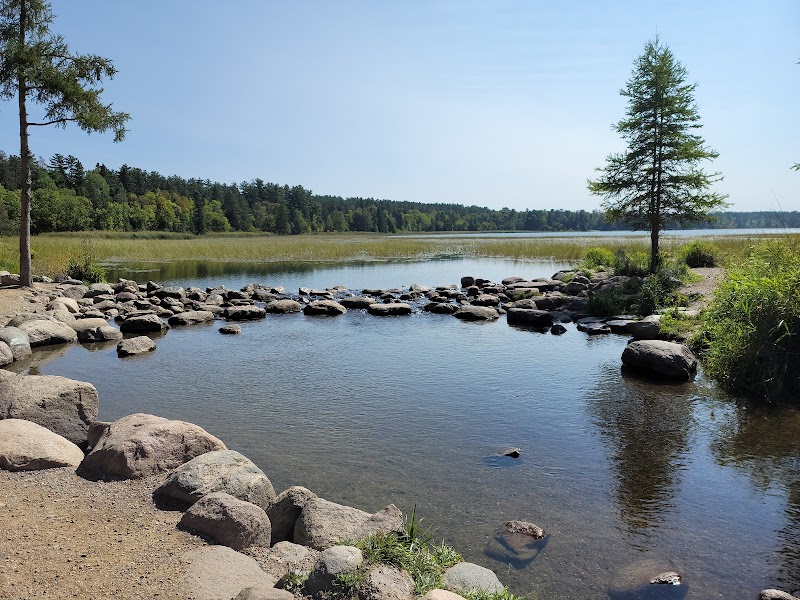
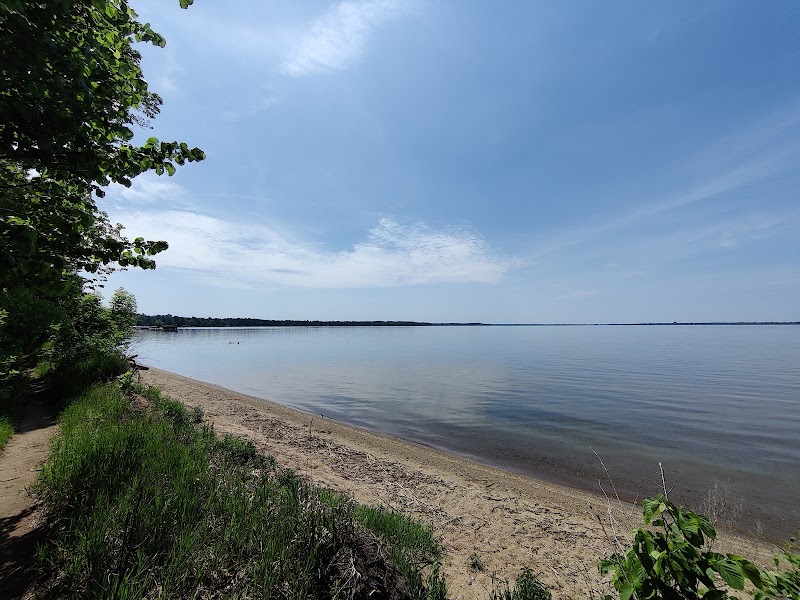
The Mississippi Headwaters Area is where the Mississippi River begins its 2,320-mile journey from Lake Itasca in northern Minnesota. This area is primarily located within Itasca State Park, which encompasses the source of the river along with extensive forests, lakes, and wetlands. The surrounding region includes portions of the Chippewa National Forest and smaller public wilderness areas. The geography features gently rolling hills, dense pine and hardwood forests, and a network of pristine lakes. Ecologically, the headwaters are home to species such as white-tailed deer, black bears, wolves, and numerous birds including bald eagles and loons. Historically, the area was and is significant for indigenous peoples—the Ojibwe in particular—and later explorers who recognized the importance of the river's origin. Outdoor enthusiasts can enjoy hiking, paddling, fishing, camping, and wildlife observation. Key landmarks include the Mississippi River source at Lake Itasca, the Douglas Lodge, and the historic CCC-built infrastructure. Visitor appeal stems from the chance to see the river’s modest beginnings and experience tranquil forested surroundings combined with well-maintained trails and campgrounds. Seasonal activities expand to snowshoeing and cross-country skiing in winter. The Mississippi Headwaters Area offers a blend of natural beauty, cultural heritage, and accessible recreation, drawing visitors interested in the environment and river history.