Wilderness Landscape & Natural Heritage
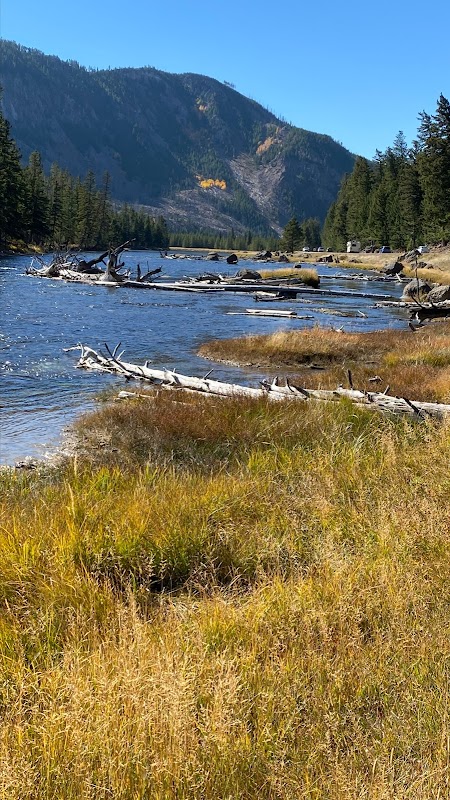
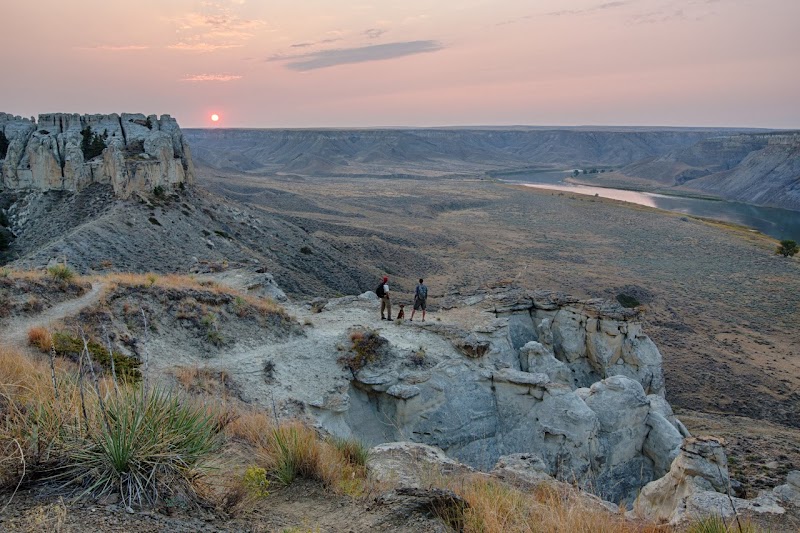
Montana National Forests refer collectively to several large and distinct national forests located throughout the state of Montana, including but not limited to Lolo National Forest, Kootenai National Forest, Flathead National Forest, Beaverhead-Deerlodge National Forest, Custer Gallatin National Forest, and Helena-Lewis and Clark National Forest. These forests cover millions of acres of varied terrain, from the Rocky Mountains and Bitterroot Range to wide river valleys. The forest ecosystems are dominated by lodgepole pine, Douglas fir, Engelmann spruce, and subalpine fir, supporting a rich variety of wildlife such as elk, moose, mountain goats, black bears, and bald eagles. Historically, these forests were key for timber extraction and mining, but now they increasingly serve conservation and recreation purposes. Outdoor enthusiasts can explore extensive trail networks, backcountry campsites, and fishing waters with abundant native and stocked species. Notable landmarks include the Bob Marshall Wilderness, the Cabinet Mountains, and the Rocky Mountain Front. Visitors are drawn to the forests’ expansive hiking and horseback riding trails, winter sports in snowy months, and scenic routes like the Lolo Pass Scenic Byway. The forests’ remote and rugged areas offer solitude for backpackers and naturalists, while nearby town gateways provide access, services, and cultural opportunities. Montana National Forests balance multiple uses, including recreation, habitat preservation, and sustainable resource management, making them vital assets to both residents and visitors.