Wilderness Landscape & Natural Heritage
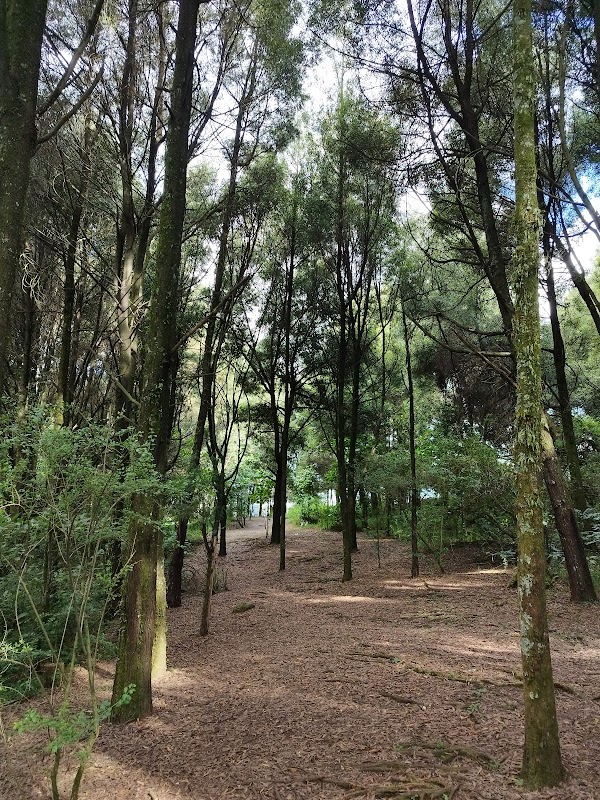
Bosques Protectores (National Forest Reserves) in Ecuador play a vital role in safeguarding the country's rich biodiversity and forest ecosystems that are not covered by national parks or other protected areas. These reserves typically consist of tropical and subtropical forests, cloud forests, and montane ecosystems located primarily in the Andean and Amazonian regions. The geography varies widely, from steep mountain slopes and river valleys to expansive forested plateaus. They serve as crucial habitat corridors for numerous endemic and endangered species, including spectacled bears, jaguars, and rare bird species such as the Andean cock-of-the-rock. Historically, Bosques Protectores were established by national legislation to complement Ecuador’s protected area network, focusing on maintaining forest cover and sustainable resource management rather than tourism infrastructure. Outdoor enthusiasts visiting these reserves can engage in bird watching, hiking through pristine forest trails, mountain biking on less developed paths, and community-led educational tours about sustainable forestry and indigenous culture. Notable Bosques Protectores include the Los Cedros and Manduriacu reserves, which are internationally recognized for their exceptional biodiversity and serve as research hubs for conservation biologists. These reserves appeal to visitors seeking off-the-beaten-path nature experiences, coupled with opportunities to support local conservation efforts and indigenous communities. Infrastructure is generally low impact, preserving the natural environment and allowing for immersive nature experiences. Visitor facilities are limited but typically include guided trail access, small community visitor centers, and campgrounds in select reserves.