Nsawam Forest Reserve wilderness guide
Forest Reserve · Eastern Region, Ghana

Nsawam Forest Reserve

Nsawam Forest Reserve is a protected tropical forest area in Ghana’s Eastern Region, valued for its biodiversity and significant ecological role. It offers opportunities for nature observation and serves as a vital resource for local communities.

Forest ReserveApproximately 23,000 acres4+ Trails

Designation

Forest Reserve

Total Wilderness Area

Approximately 23,000 acres

Elevation / Terrain

Diverse Wilderness

Field Editorial Guide

About Nsawam Forest Reserve

Nsawam Forest Reserve is a protected tropical forest area in Ghana’s Eastern Region, valued for its biodiversity and significant ecological role. It offers opportunities for nature observation and serves as a vital resource for local communities.

Wilderness Landscape & Natural Heritage

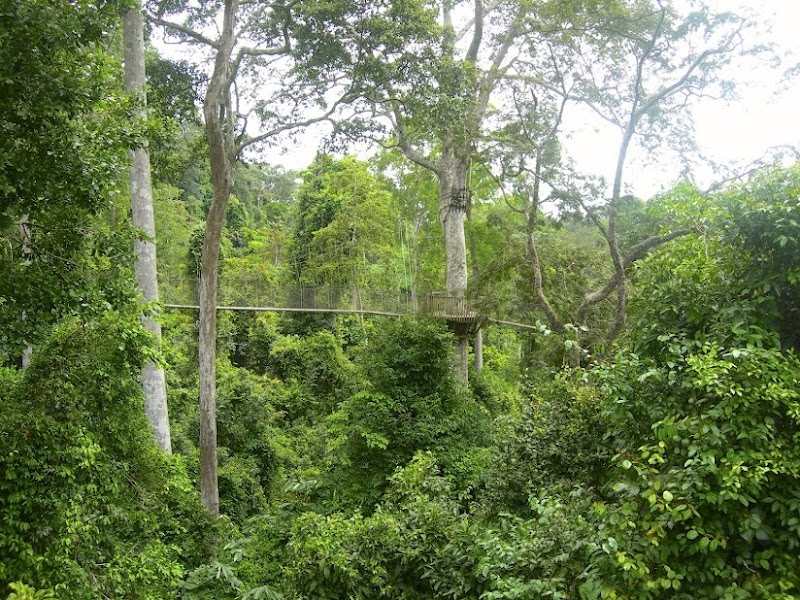
The Nsawam Forest Reserve is a tropical forest reserve located in the Eastern Region of Ghana, near the town of Nsawam. Covering a significant area of forested land, it plays a crucial ecological role by conserving tropical flora and fauna amidst increasing pressures from agriculture and urban expansion. The reserve is characterized by a typical moist semi-deciduous forest ecosystem, home to several tree species such as mahogany, odum, and wawa. It also supports a range of wildlife including primates, birds, reptiles, and insects, making it an important biodiversity hotspot. Historically, the reserve was established to curb deforestation and maintain watershed protection for the nearby Densu River Basin, which provides water to the Accra metropolitan area. While Nsawam Forest Reserve is less developed for tourism compared to national parks, it is frequented by researchers, conservationists, and locals who depend on it for timber and non-timber forest products. Outdoor opportunities primarily include guided nature walks, wildlife watching, and environmental education. Protective measures and community-based management initiatives are ongoing to balance sustainable resource use with conservation objectives. Visitors to the reserve experience a rich natural environment with dense green canopy, diverse birdlife, and the peaceful ambiance of the tropical forest. The reserve contributes to regional climate regulation and water cycle maintenance, ensuring its continued importance for both natural habitats and human settlements nearby.
Field Guide · Forest Reserve
Adventure Destinations

Notable Destinations Near Nsawam Forest Reserve

Scenic viewpoints, outdoor landmarks, and notable points of interest within 60 miles.

Key Wilderness Highlights

✦ Densu River Basin – vital watershed influenced by the reserve✦ Semi-deciduous tropical forest with notable mahogany trees✦ Diverse bird species including hornbills and weavers✦ Local community projects promoting sustainable forest use
Wilderness Recreation

Outdoor Adventures in Nsawam Forest Reserve

Explore curated guides for top outdoor sports, trail networks, and wilderness activities.

Park Recreation

Hiking

Available in Nsawam Forest Reserve
Park Recreation

Wildlife Viewing

Available in Nsawam Forest Reserve
Park Recreation

Bird Watching

Available in Nsawam Forest Reserve
Park Recreation

Environmental Education

Available in Nsawam Forest Reserve
Park Recreation

Community Ecotourism

Available in Nsawam Forest Reserve
The Ranger Station

Visitor Logistics & Essential Planning

Everything you need to know about entrance passes, seasons, visitor centers, road transit, and wildlife safety in Nsawam Forest Reserve.

Passes & Fees

Entrance Requirements & Interagency Passes

Free access with informal permits through forestry department or community offices

Wilderness Checklist

Carry paper topographic map & compass in remote zones.
Store all food and scented items in approved bear canisters.
Check wildfire / smoke advisories before backcountry departure.
Pack out everything you pack in (Leave No Trace).
Adventure Basecamps

Gateway Towns Near Nsawam Forest Reserve

Stay, dine, and gear up in these mountain towns and scenic basecamps surrounding the park.

Asamankese, Eastern Region
⌖ 9.03 miles
Gateway Basecamp

Asamankese, Eastern Region

Asamankese offers a tranquil outdoor experience with gentle hikes, bird watching, and canoeing in Ghana’s Eastern Region. It’s a quiet basecamp to explore lush hills, rivers, and local culture.

November to March
Explore Town
Akwatia, Eastern Region, Ghana
⌖ 9.82 miles
Gateway Basecamp

Akwatia, Eastern Region, Ghana

Akwatia in Ghana’s Eastern Region offers peaceful riverside paddling, gentle hikes through tropical forest, and deep cultural insights into the country’s diamond mining past. Ideal for travelers seeking quiet nature escapes and authentic local experiences.

November to March (Dry Season)
Explore Town
Kade, Eastern Region
⌖ 14.26 miles
Gateway Basecamp

Kade, Eastern Region

Kade is a quiet town in Ghana’s Eastern Region offering forest hikes, birdwatching, and cultural tours. It’s a great base for exploring tropical reserves and experiencing authentic rural Ghana away from busy tourist routes.

November to March (dry season)
Explore Town
Kibi, Eastern Region, Ghana
⌖ 24.30 miles
Gateway Basecamp

Kibi, Eastern Region, Ghana

Kibi in Ghana’s Eastern Region offers a mix of outdoor adventure with hiking trails, waterfall visits, and cultural tours. Explore lush forests, spot birds, and experience rich Akan traditions in this quiet, scenic town.

November to March (dry season)
Explore Town
Kibi, Eastern Region
⌖ 24.30 miles
Gateway Basecamp

Kibi, Eastern Region

Kibi, in Ghana’s Eastern Region, offers gentle hikes, rich cultural tours, and easy paddling amidst scenic hills and rivers. Ideal for travelers seeking a quiet, authentic outdoor experience away from crowded spots.

November to March
Explore Town
Suhum, Eastern Region, Ghana
⌖ 24.42 miles
Gateway Basecamp

Suhum, Eastern Region, Ghana

Suhum offers a tranquil outdoor escape with gentle hiking trails, vibrant cultural experiences, and rich birdlife. Ideal for travelers seeking peaceful nature walks and authentic Ghanaian town life.

November to March (dry season)
Explore Town