Wilderness Landscape & Natural Heritage
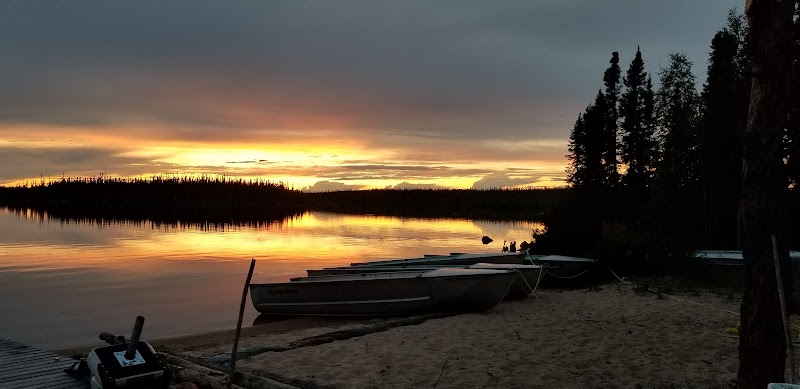
Porcupine Provincial Forest spans approximately 2.5 million acres in northeastern Manitoba, Canada, making it one of the larger provincial forests in the region. The forest is predominantly composed of boreal mixed-wood stands, including aspen, birch, spruce, and poplar, and is interspersed with numerous lakes, wetlands, and rivers. The varied terrain includes gently rolling hills and abundant waterways, creating a habitat rich in biodiversity. Established to promote sustainable forest management and conserve natural resources, the forest supports a variety of wildlife including moose, black bears, wolves, lynx, and an array of bird species such as boreal owls and spruce grouse. Historically, the area was used by Indigenous peoples for hunting and gathering, and it remains culturally significant to local First Nations communities. Recreationally, Porcupine Provincial Forest draws outdoor enthusiasts interested in low-impact activities. Canoeing and kayaking on the forest's many lakes and rivers are popular during summer, while winter offers snowmobiling and cross-country skiing opportunities. Anglers seek northern pike and walleye in the forest’s pristine waters. Trail networks provide access for hiking and mountain biking, although development is minimal compared to national parks, emphasizing a wilderness experience. Key locations include various boat launch points, designated campsites, and fishing lodges near the forest edges. Porcupine Provincial Forest appeals to visitors looking for rugged solitude and the chance to experience Manitoba’s boreal ecosystem largely untouched by heavy tourism.