Wilderness Landscape & Natural Heritage
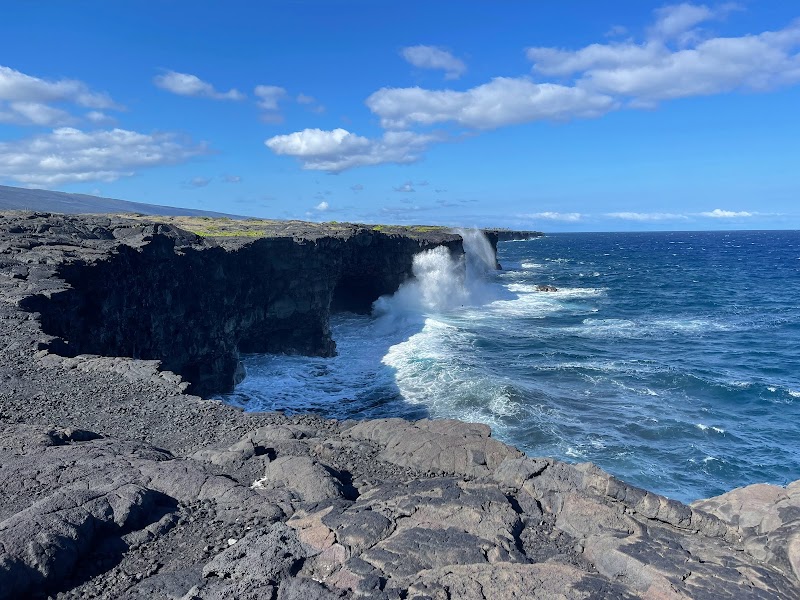
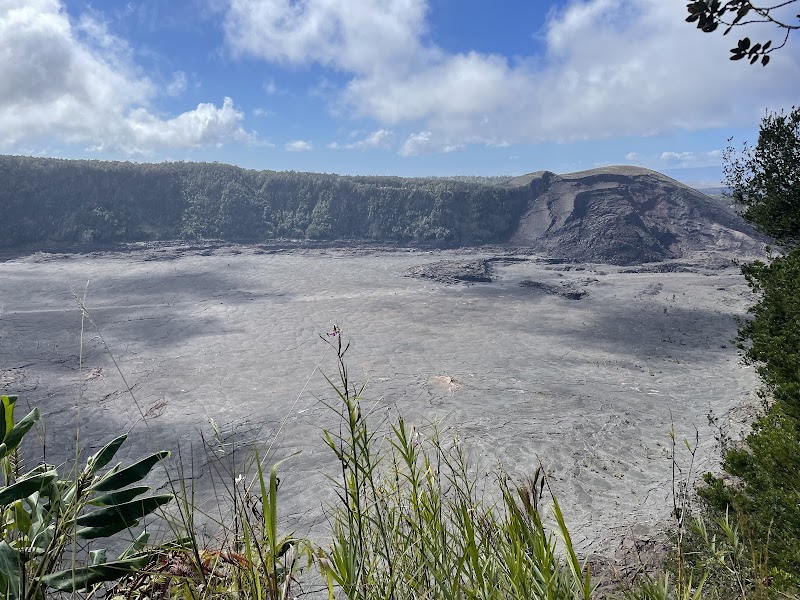
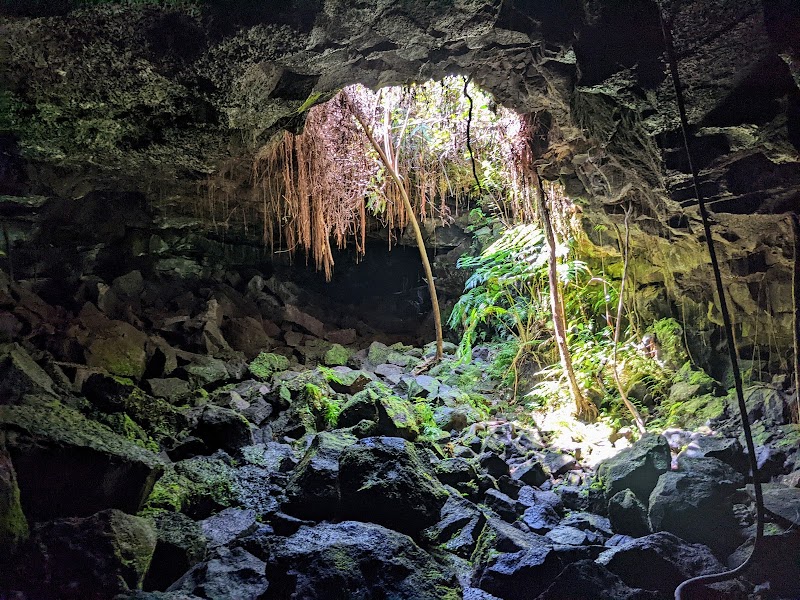
Puna Forest Reserve is located on the eastern slopes of Mauna Loa on Hawaii's Big Island and encompasses over 27,000 acres of native rainforest and mixed forest habitats. This reserve is known for its rich biodiversity, featuring native Ohia lehua and koa trees, alongside many endemic plant and bird species. The reserve spans a broad range of elevations, from approximately 1,500 to over 5,000 feet, creating varied microclimates that support different habitats. Geologically, the reserve sits on relatively young volcanic soils derived from recent lava flows, contributing to the dynamic and evolving landscape. Established in 1929, Puna Forest Reserve was originally set aside to protect watershed areas vital for the island's health and water supply. Today, it provides essential habitat for native forest birds such as the Omao (Hawaiian thrush) and Hawaiian honeycreepers, while also serving as crucial protection from invasive species and development. Visitors to Puna Forest Reserve can explore hiking trails that range from easy strolls to more rugged treks. Popular activities include birdwatching, nature study, and enjoying the peaceful forest environment. The reserve's setting near volcanic terrain adds to its ecological interest, with sights of lava fields and the opportunity to witness the interface of forest and lava landscapes. Although less developed than other Hawaiian parks, the reserve appeals to visitors seeking solitude and immersion in native forest ecosystems. Access routes are primarily through rural roads in the Puna district, and visitors should plan accordingly for limited amenities. The Puna Forest Reserve remains an important area for conservation, education, and appreciating the unique environmental heritage of Hawaii's Big Island.