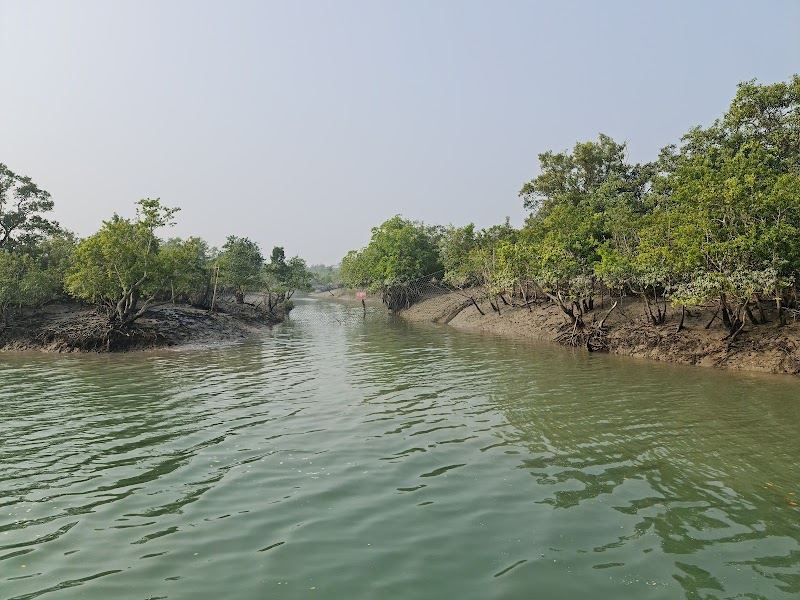
Wilderness Landscape & Natural Heritage
The Sundarbans Mangrove Forest is a UNESCO World Heritage Site and one of the largest mangrove forests in the world, straddling the delta of the Ganges, Brahmaputra, and Meghna rivers on the Bay of Bengal. Covering approximately 10,000 square kilometers, it is predominantly located in Bangladesh, with a smaller portion in India. The forest is highly biodiverse with a mix of water bodies, saline mudflats, and intricate mangrove ecosystems, providing critical habitats for various species, including the endangered Bengal tiger, estuarine crocodile, and the Indian python. Historically, the Sundarbans supported local economies through fishing and honey collection. Recreation opportunities include guided boat tours, bird watching, and tiger safaris, highlighting the area's natural beauty and unique wildlife. The forest not only supports substantial ecological diversity but also acts as a natural defense against cyclones and tidal surges, enhancing its ecological and protective significance.