Wilderness Landscape & Natural Heritage
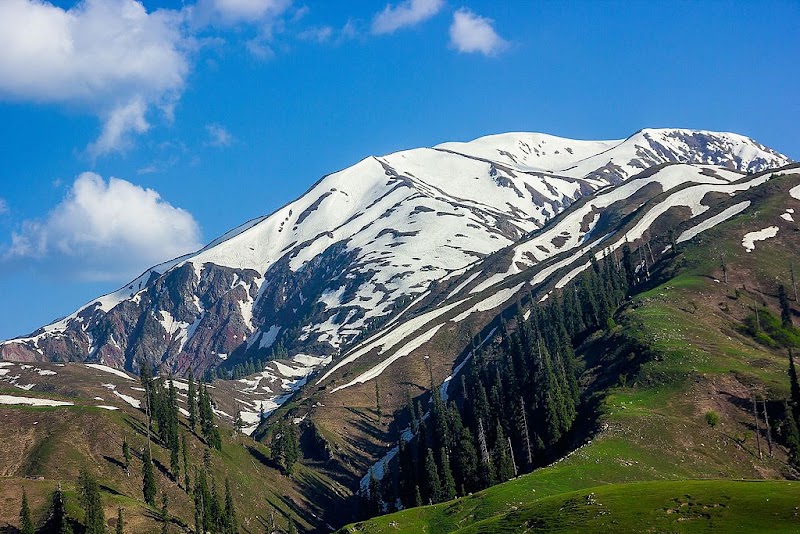
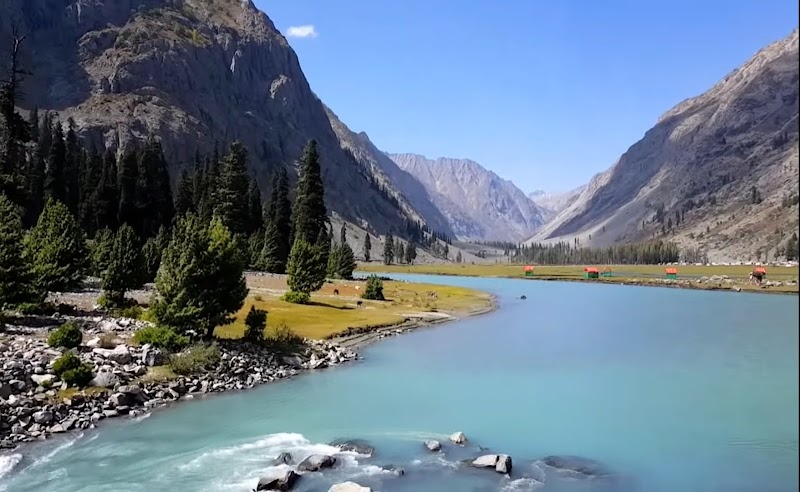
Swat Valley, located in the northwestern region of Pakistan's Khyber Pakhtunkhwa province, is recognized for its extraordinary natural beauty and ecological significance, leading to the establishment of multiple protected zones that include national parks, wildlife sanctuaries, and reserved forests. The topography features towering peaks of the Hindu Kush mountain range, lush coniferous forests dominated by deodar and pine, glacial streams, and the winding Swat River. The valley supports diverse wildlife such as the snow leopard, Himalayan black bear, musk deer, and several species of birds including the western tragopan and koklass pheasant. Alongside its natural features, the area holds significant archaeological and historical landmarks tracing back to Buddhist civilizations, such as ancient stupas and monasteries at Butkara and Udegram. Outdoor enthusiasts are drawn to the valley for hiking, trekking, fishing, and camping with popular trekking routes leading to Malam Jabba, Ushu Forest, and the serene Gabral Valley. The protected areas provide critical habitat preservation amid increasing tourism and local development pressures. Visitors experience vibrant local culture, including traditional Swati architecture and festivals. The protected zones serve as an important conservation refuge while offering remarkable opportunities for eco-tourism and adventure amidst diverse landscapes ranging from alpine meadows to dense forests. Careful management seeks to balance biodiversity conservation with sustainable tourism. These zones appeal to naturalists, historians, and outdoor enthusiasts alike, providing a unique blend of cultural heritage and wilderness adventure.