Wilderness Landscape & Natural Heritage
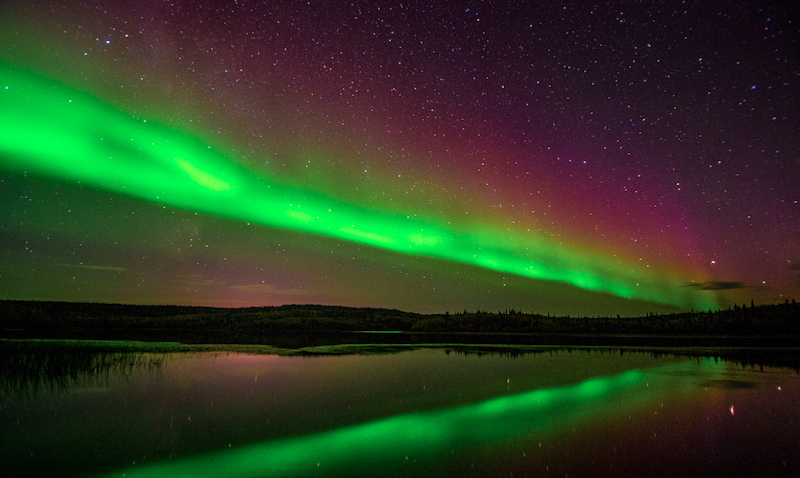
The Tłı̨chǫ Community Forest encompasses approximately 39,000 square kilometers (about 9.6 million acres) in the Northwest Territories of Canada. This expansive area is primarily boreal forest and muskeg wilderness, stretching around the Great Slave Lake’s west side. The forest occupies traditional Tłı̨chǫ homeland lands and is collaboratively managed by the Tłı̨chǫ Government and the territorial government through the Tłı̨chǫ Agreement – a landmark indigenous land claim and self-government agreement. The landscape features rolling hills, black spruce swamps, wetlands, and numerous lakes and rivers that support a wealth of wildlife. Visitors can explore a world of northern birch and spruce woodlands teeming with caribou, moose, black bears, wolves, and a diversity of bird species, including migratory waterfowl. Key recreational activities include hiking, hunting, fishing, canoeing, and snowmobiling during winter. While infrastructure is minimal to preserve natural and cultural values, visitors can experience remote wilderness camping and traditional Dene ways of life. Several Tłı̨chǫ communities, such as Behchokǫ̀ and Whatì, serve as gateways and cultural centers where visitors learn about indigenous stewardship and heritage. The community forest stands out for its co-management approach, emphasizing sustainable natural resource use, cultural preservation, and ecological protection. It offers a unique wilderness experience connecting outdoor enthusiasts with indigenous values and northern boreal ecosystems, making it a remarkable destination for those seeking remote tranquility and cultural insight.