Wilderness Landscape & Natural Heritage
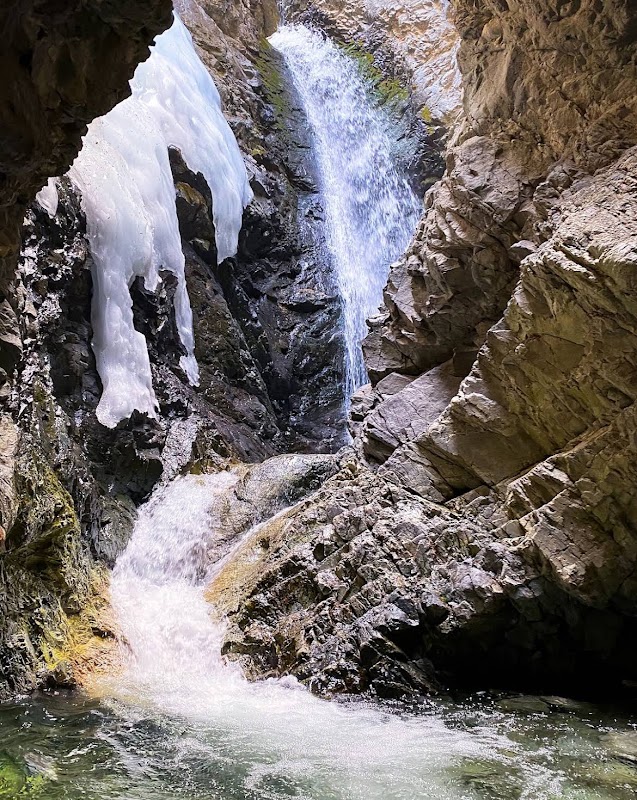
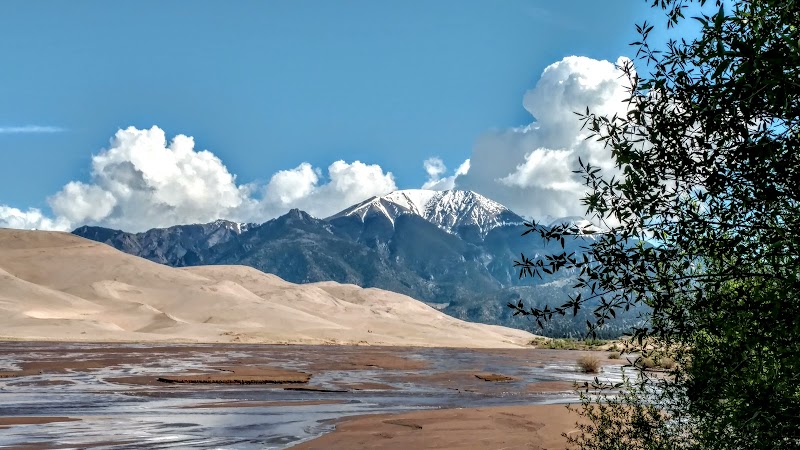
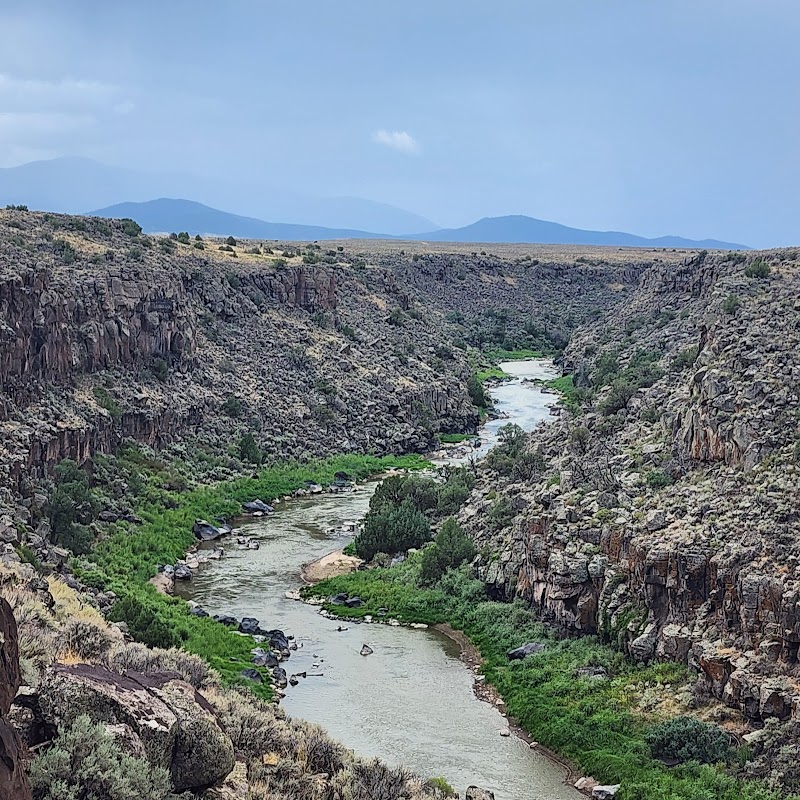
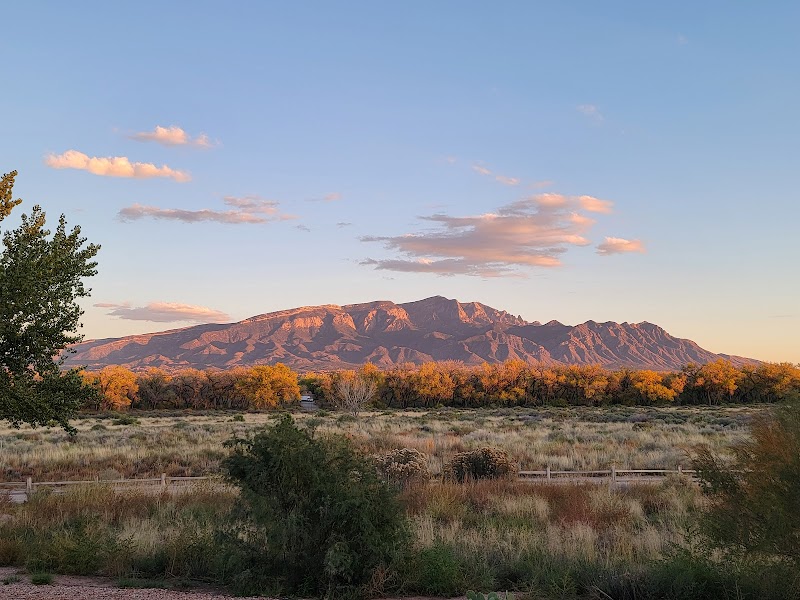
The Sangre de Cristo National Heritage Area (SdCNHA) encompasses a broad region along the eastern slope of the Sangre de Cristo Mountains in south-central Colorado. This area is notable for its deep cultural roots tied to Hispanic heritage, historic settlements, agricultural traditions, and stunning mountain landscapes. The heritage area stretches through parts of the San Luis Valley and adjacent uplands, featuring high desert valleys, alpine meadows, rugged peaks, and riparian corridors. This region holds significant archeological sites and is central to the history of early Spanish settlers, Native American tribes, and Anglo pioneers. Ecologically, the landscape supports diverse ecosystems ranging from sagebrush steppe and piñon-juniper woodlands to subalpine fir forests at higher elevations. Visitors can explore scenic byways, hike multiple trails with panoramic mountain views, camp near pristine streams, and discover cultural heritage through museums, historic villages, and festivals. Notable landmarks include the nearby Great Sand Dunes National Park to the west and the famed Cumbres & Toltec Scenic Railroad to the south. Recreational opportunities span hiking, mountain biking, fishing, birdwatching, and snow sports in winter months. The Sangre de Cristo National Heritage Area fosters stewardship of both natural and cultural resources, inviting outdoor enthusiasts and history lovers to experience an authentic yet diverse mountain environment. Its blend of scenic beauty, wildlife, outdoor adventure, and cultural richness makes it a must-visit destination in Colorado.