Wilderness Landscape & Natural Heritage
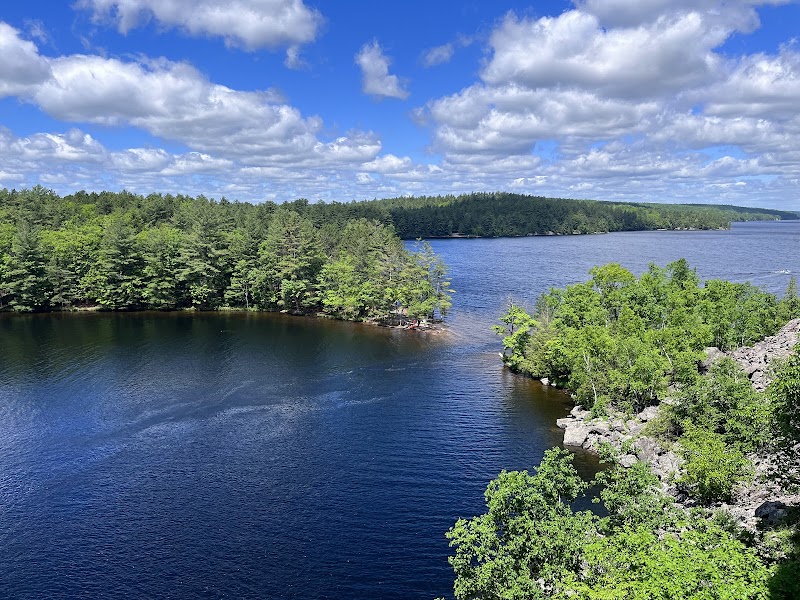
The Rideau Canal is a UNESCO World Heritage Site and the oldest continuously operated canal system in North America. Built between 1826 and 1832 for military and commercial use, the canal stretches over 202 kilometers through southeastern Ontario, linking the Ottawa River to Lake Ontario via a series of rivers, lakes, and man-made channels. The waterway features 47 locks designed to manage a total elevation change of 83 meters, controlled by lock stations that remain operational today. It traverses diverse landscapes, including wetlands, forests, and small towns, supporting rich ecological habitats for fish, migratory birds, and other wildlife. Recreationists visit the canal in all seasons: paddle sports such as canoeing, kayaking, and boating dominate summer months, while winter transforms the canal in Ottawa into the world's longest skating rink. The Rideau Canal’s towpath doubles as a multi-use trail, accommodating hikers, cyclists, and cross-country skiers, providing access to charming communities and historical lock stations along the route. Notable landmarks include the artistic locks at Jones Falls, the heritage town of Merrickville, and historic stone architecture featured in Kingston’s waterfront. The canal serves as a cultural corridor reflecting early 19th-century engineering, military history, and vibrant contemporary recreational use. Visitors are drawn to its blend of natural beauty, outdoor opportunities, and rich heritage that combine to create one of Canada’s premier historic landscapes.