Wilderness Landscape & Natural Heritage
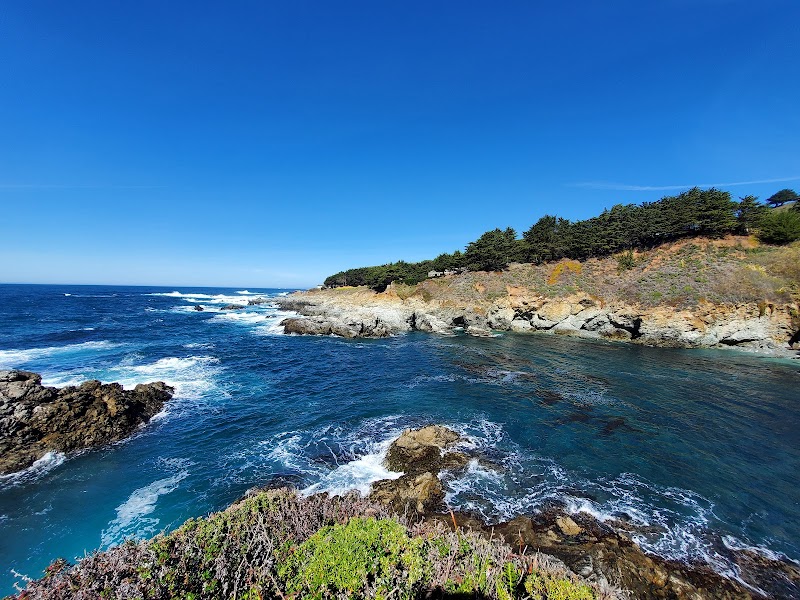
The California Coastal National Monument (CCNM), established in 2000, is a unique protected area composed of thousands of small rocks, reefs, and islands scattered along California’s extensive Pacific coastline, spanning approximately 1,100 miles from the Oregon border to Mexico. Managed by the Bureau of Land Management (BLM), the monument conserves critical habitat for seabirds, marine mammals, and other sensitive species, providing vital nesting sites and resting areas isolated from mainland disturbances. Although mostly offshore, the monument’s sites are often visible from coastal highways, state parks, and certain boat tours, inviting visitors to appreciate its rugged landscape and abundant wildlife. The monument includes notable features such as the Farallon Islands, Channel Islands, and several important rock formations along the coast. Recreational activities include wildlife viewing, particularly of seabird colonies, harbor seals, sea lions, and migrating whales; sea kayaking near certain accessible formations; photography of dramatic coastal seascapes; and educational opportunities about coastal ecology and conservation. Visitor access to many smaller islands is limited or prohibited due to sensitive wildlife habitats, so exploring adjacent state parks and coastal viewpoints is popular among visitors. The CCNM serves an important role by linking California’s coastline to ocean ecosystems and raising awareness of marine conservation issues. Its remote nature and scattered geography make it a distinctive protected area focused on preserving offshore environments and species vital to California’s natural heritage.