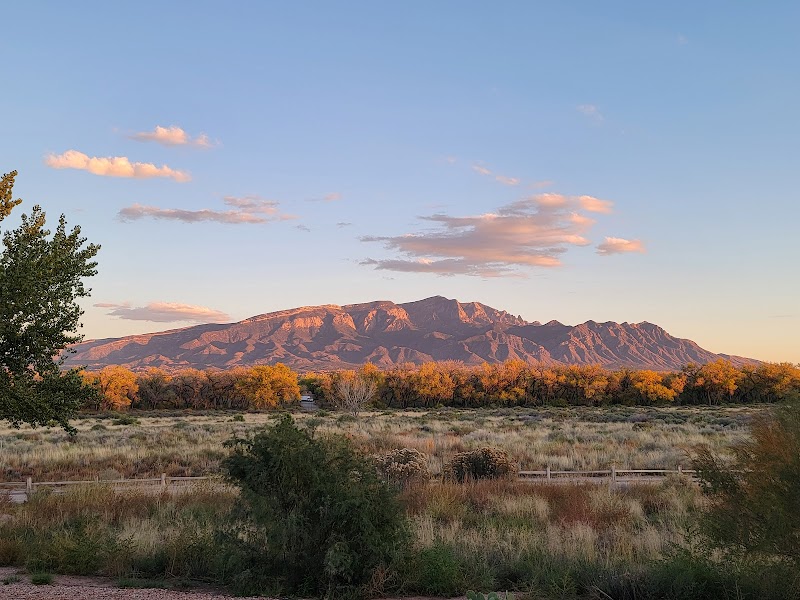
Wilderness Landscape & Natural Heritage
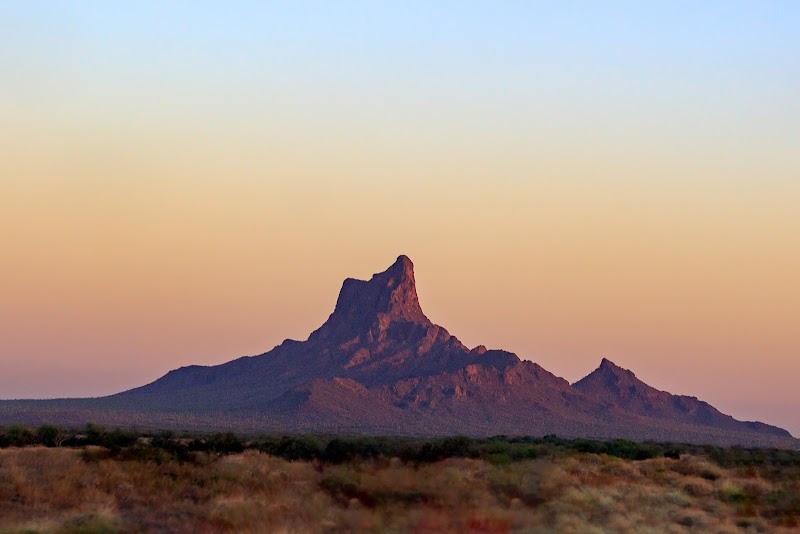
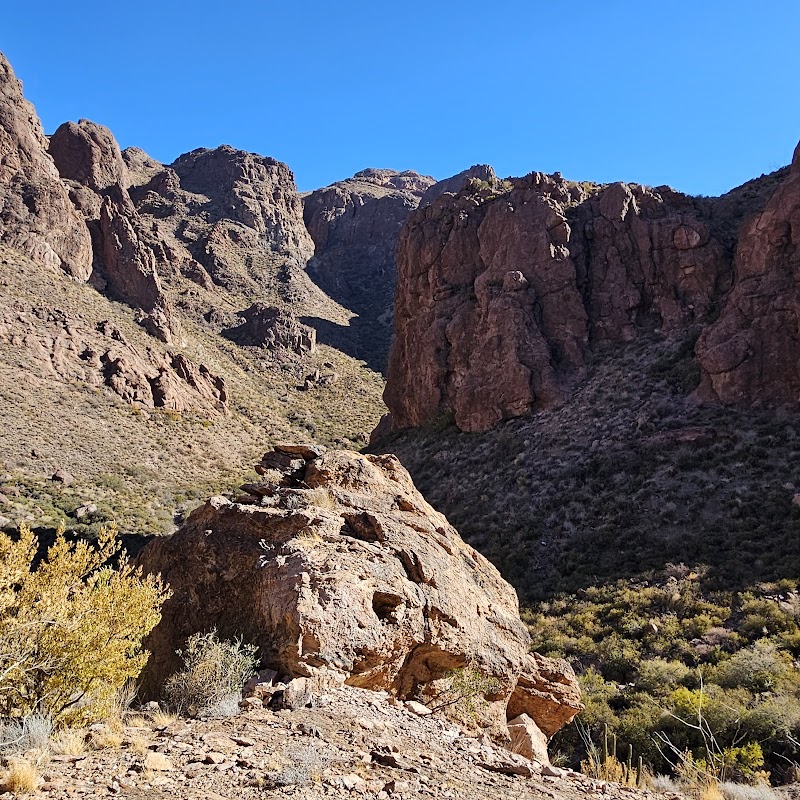
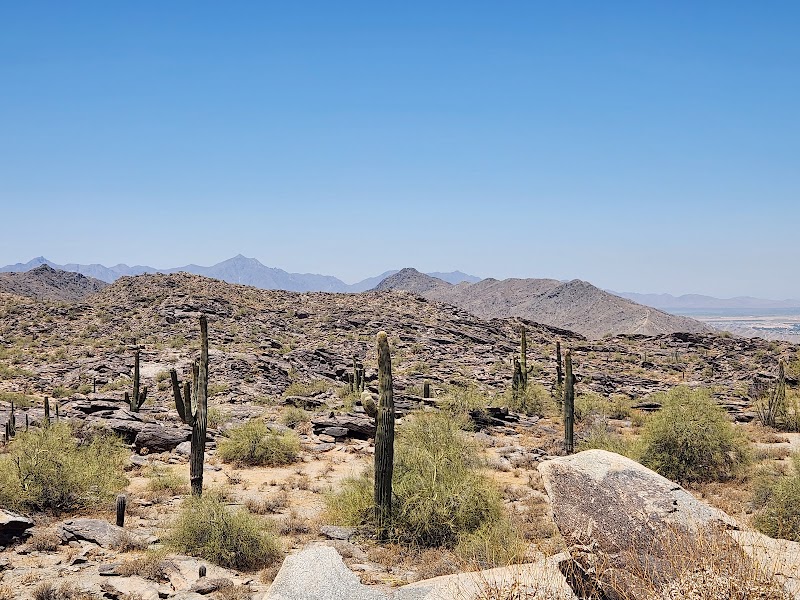
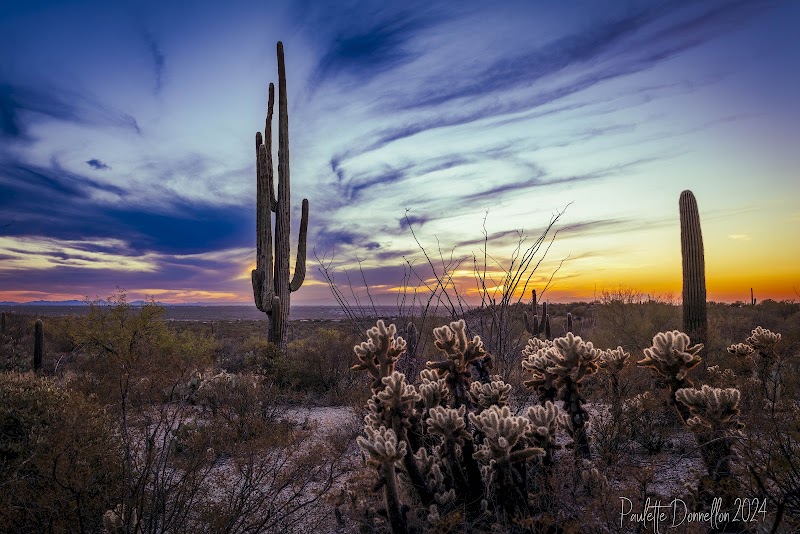
Organ Pipe Cactus National Monument is located in southern Arizona along the U.S.-Mexico border, encompassing rugged desert terrain characterized by rocky hills, washes, and expansive cactus groves. The monument protects the only place in the United States where the organ pipe cactus grows wild, alongside other Sonoran Desert flora such as saguaro, senita, and barrel cacti. This area encompasses over 500 square miles of undisturbed desert ecosystem. The ecology supports a range of wildlife, including desert bighorn sheep, Gila monsters, javelinas, and over 100 bird species, making it a notable destination for observing unique desert fauna. Established in 1937, the monument also preserves evidence of indigenous peoples, including the Hohokam and O'odham cultures, with petroglyphs and ruins accessible to visitors. Recreation opportunities include hiking on well-marked trails through diverse vegetation zones, scenic drives with panoramic views, wildlife viewing, birding, and backcountry camping. The monument’s roads and trails provide access to remote natural features and historical sites like the Twin Peaks viewpoint and the Ajo Mountain Drive. The visitor center offers interpretive exhibits about desert ecology, cultural history, and conservation efforts. Popular among photographers and naturalists, the monument offers immersive desert experiences, particularly in spring when desert wildflowers bloom. The vastness and quiet of the landscape appeal to visitors seeking solitude and a deep connection to the desert environment.