Wilderness Landscape & Natural Heritage
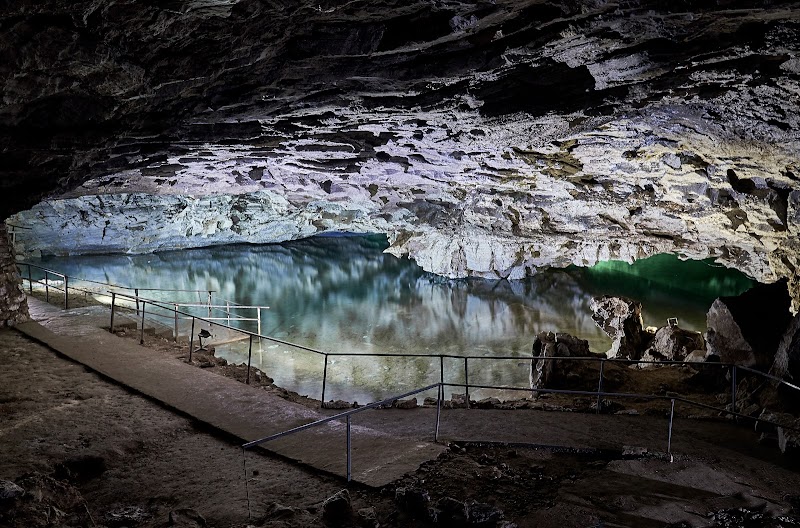
Located near the town of Kungur in Perm Krai, Russia, the Kungur Ice Cave is one of the most famous karst caves in the western Ural Mountains. This natural monument features over 5.6 kilometers of explored passages, with more than 60 known grottoes, galleries, and underground halls formed in Devonian limestone. The cave’s most remarkable feature is its permanent ice formations, including icicles, frozen waterfalls, and expansive ice lakes that persist year-round due to the cave’s stable microclimate. Temperatures inside remain below freezing even during the summer months, making it a natural refrigeration chamber and an object of scientific study. The cave has a long history of exploration dating back to the 1700s, with further detailed surveys in the 19th and 20th centuries. Visitors can explore the cave via guided tours covering illuminated passages, ice sculptures, and unique geological structures such as stalactites and stalagmites. Above ground, the surrounding Ural foothills support temperate broadleaf and mixed forests hosting diverse flora and fauna. The site draws tourists interested in geological phenomena, speleology, and wintertime ice spectacle. Its accessibility from nearby urban centers makes it a popular destination for both casual travelers and outdoor enthusiasts looking for a rare cave experience combined with historical and natural significance.