Wilderness Landscape & Natural Heritage
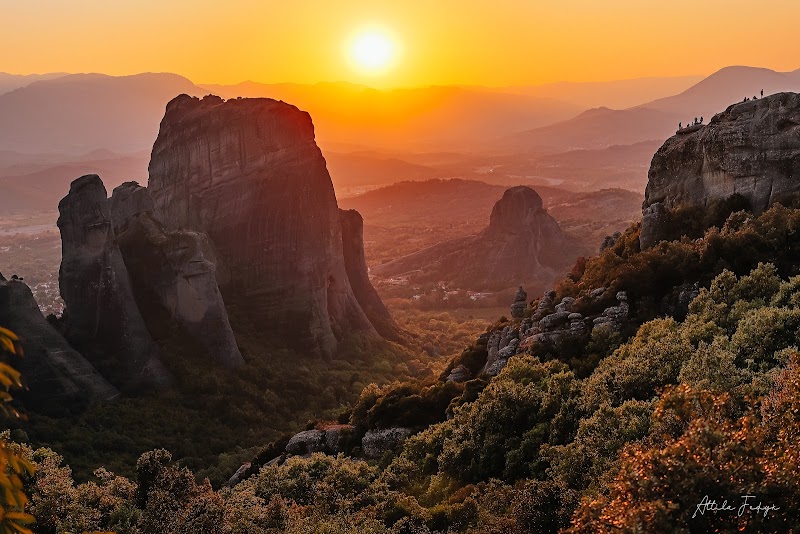
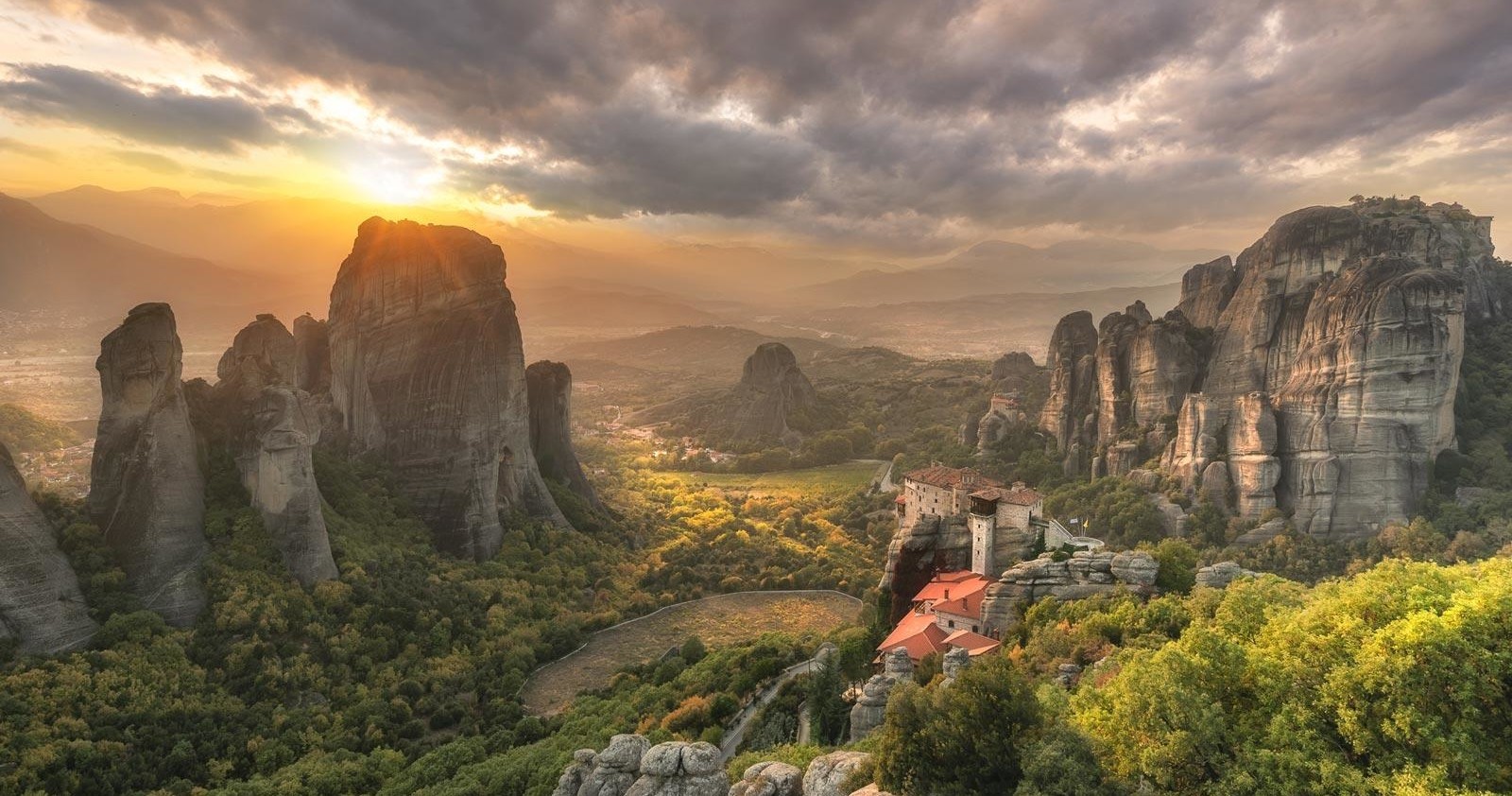
Meteora Natural Monument, located near the town of Kalambaka in Thessaly, Greece, is known worldwide for its stunning rock formations and the historic monasteries perched atop them. These towering sandstone pillars rise sharply from the valley floor, created over millions of years through weathering and geological processes. The area hosts six active Eastern Orthodox monasteries, built between the 14th and 16th centuries, which are accessible via footpaths and stairs carved into the rock. This combination of natural beauty and cultural heritage earned Meteora designation as a UNESCO World Heritage Site. The ecology of Meteora includes a Mediterranean climate supporting diverse flora such as pines, firs, and shrublands adapted to rocky slopes. Fauna includes birds of prey, reptiles, and small mammals. Outdoor enthusiasts are drawn to Meteora for rock climbing, with hundreds of routes offering challenges from beginner to expert. Hiking trails weave through the valley and up to the monasteries, providing breathtaking views and encounters with the area's unique geology. The monasteries themselves offer insight into monastic life, Byzantine art, and history, with visitor centers providing interpretive information. Meteora's scenic vistas, challenging climbs, and cultural richness make it a popular destination, blending natural wonders with significant human achievement in architecture and spirituality.