Wilderness Landscape & Natural Heritage
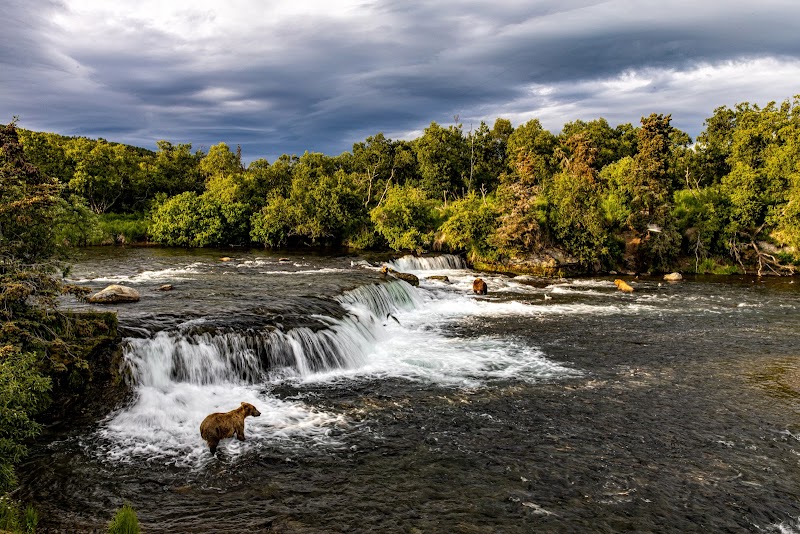
Aniakchak National Monument & Preserve is a vast, rugged area located in the central Aleutian Range of southwestern Alaska. Dominated by the dramatic Aniakchak Caldera, a volcanic crater formed by a massive eruption approximately 3,500 years ago, the monument spans a landscape marked by volcanic formations, steaming vents, hot springs, and diverse ecosystems. This preserve protects both the caldera and the surrounding boreal forests, tundra, and glacier-carved valleys. Home to brown bears, caribou, salmon, and numerous bird species, it presents excellent wildlife viewing opportunities, often in complete solitude due to its remote location and limited visitor numbers. The area holds cultural and spiritual significance for the indigenous Aleut people. Outdoor enthusiasts are drawn to Aniakchak for challenging backcountry hiking, fly-in fishing, and kayak trips on the Aniakchak River, which meanders through the caldera down to the Pacific coast. The trail system is minimal and undeveloped, requiring advanced wilderness skills. The volcanic activity continues to shape the landscape, adding a dynamic and unique geological dimension rarely found in other national parks or monuments. Visitor appeal comes from the raw natural beauty, solitude, and the chance to witness a volcanic wilderness largely untouched by development. Access is primarily by small aircraft or boat, emphasizing the monument’s status as one of the most remote and wild protected places in the United States.