Wilderness Landscape & Natural Heritage
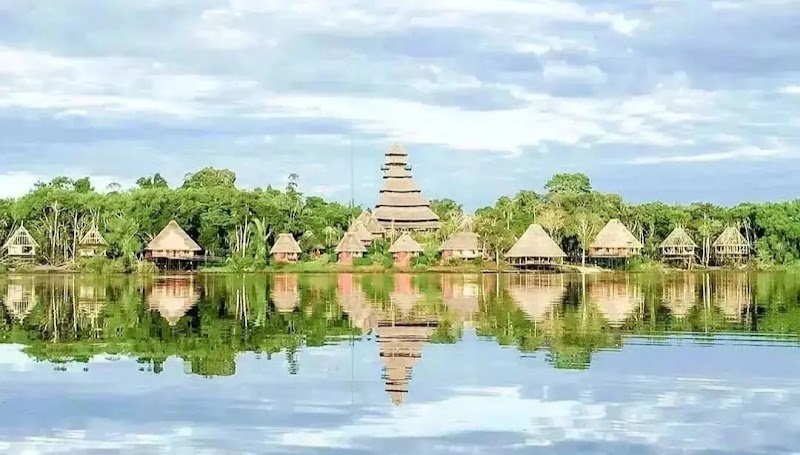
Amacayacu National Natural Park is located in the southeastern corner of Colombia within the Amazonas Department, encompassing a vast expanse of tropical rainforest along the banks of the Amazon River. Established in 1975, the park protects over 400,000 acres of one of the most biodiverse regions on Earth, characterized by dense jungle, winding river systems, seasonally flooded forests (varzea), and terra firme uplands. The park's name, 'Amacayacu,' means 'River of the Hamocs' in the indigenous Ticuna language, reflecting the important presence of indigenous communities, particularly the Ticuna people, who remain closely tied to the land. Ecologically, Amacayacu is home to an astounding variety of flora and fauna including jaguars, giant river otters, pink river dolphins, tapirs, macaws, and thousands of plant species. The park is a paradise for wildlife viewing, birdwatching, and river exploration by canoe or kayak. Visitors often explore via guided tours, visiting indigenous communities, exploring jungle trails, and paddling along the meandering Amazon. The park’s remoteness and intact ecosystems offer a rare opportunity to experience the Amazon rainforest’s natural wonders in relative solitude. Beyond recreation, Amacayacu is important for scientific research on tropical ecology and for the conservation of endangered species. Its proximity to Leticia, the regional hub, provides logistical support and access, but the park remains largely wilderness, inviting adventurous travelers to immerse themselves in the rhythms and secrets of the Amazon basin.