Wilderness Landscape & Natural Heritage
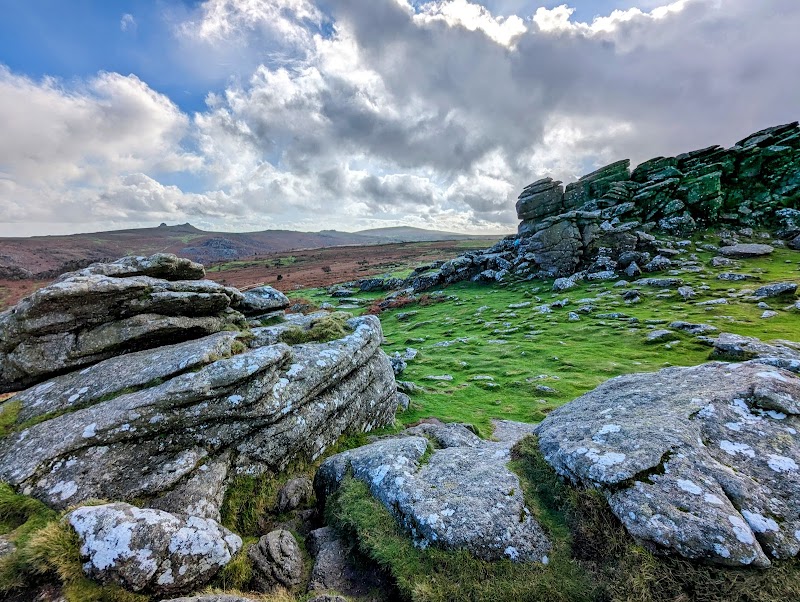
Goss Moor National Nature Reserve, located in Cornwall, England, is one of the largest expanses of lowland heath and bog landscape in the region. Spanning approximately 1,400 hectares, it represents a rare and ecologically significant habitat comprised mainly of wet heath, bogs, and marshy grasslands. The reserve plays a critical role in the preservation of peatland habitats and supports a variety of rare and declining species, including the southern damselfly and several species of dragonflies, marsh fritillary butterflies, and ground-nesting birds. The landscape is formed by a mosaic of wet habitats interspersed with small areas of woodland, offering diverse ecological niches.
Historically, Goss Moor was shaped by centuries of peat extraction, alongside mining activities nearby, which affected the hydrology but also created the present-day patchwork of habitats. Today, active conservation efforts focus on restoring water levels within the peat moor to maintain its ecological integrity.
Outdoor recreation at Goss Moor includes walking, birdwatching, and cycling along well-maintained trails that provide access to wildlife-rich areas without disturbing sensitive habitats. The reserve offers several boardwalk paths across wetter areas, providing visitors with immersive nature experiences. Goss Moor is also prized for its peaceful environment and the opportunity to observe rare species in a setting distinct from more heavily forested or coastal reserves.
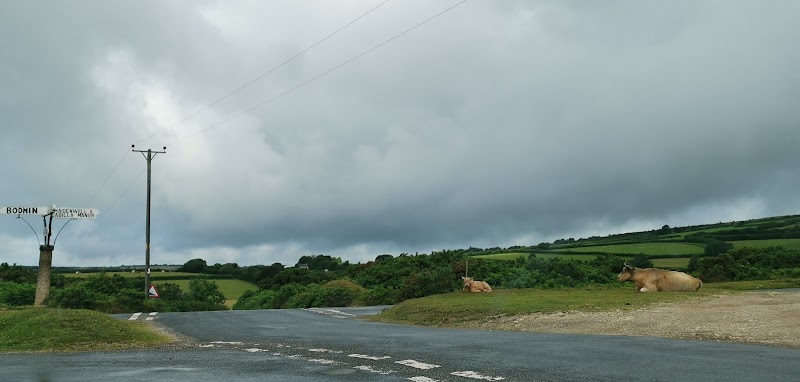
Visitors to Goss Moor can enjoy the tranquility of its open heathland and peaty bogs, with occasional views of surrounding rural landscapes. The reserve is accessible year-round, making it a key natural destination in Cornwall for those interested in ecological conservation and wildlife observation.