Wilderness Landscape & Natural Heritage
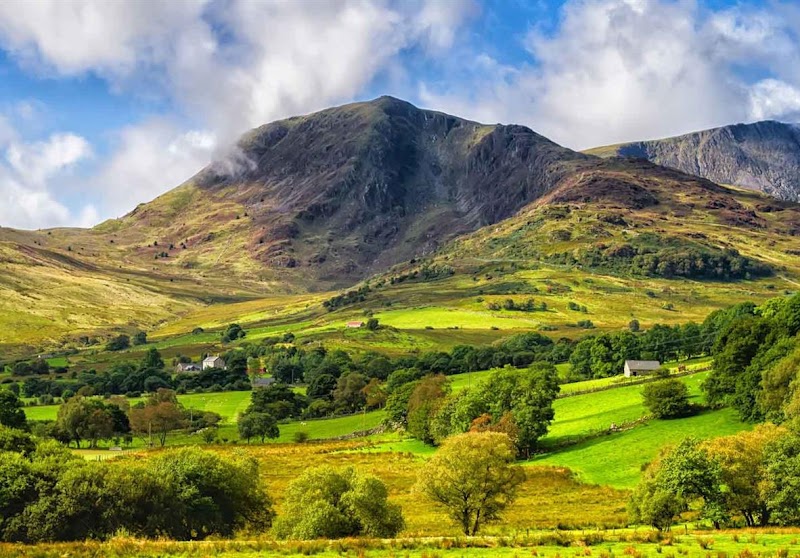
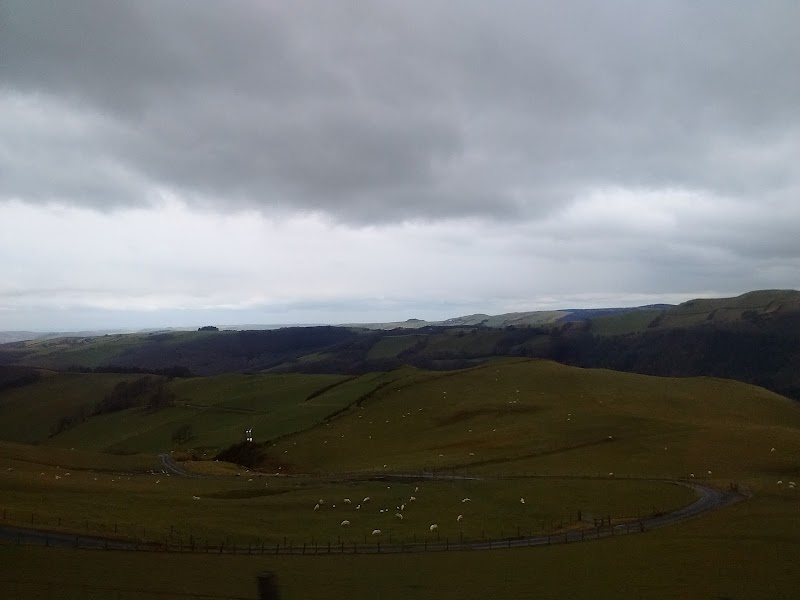
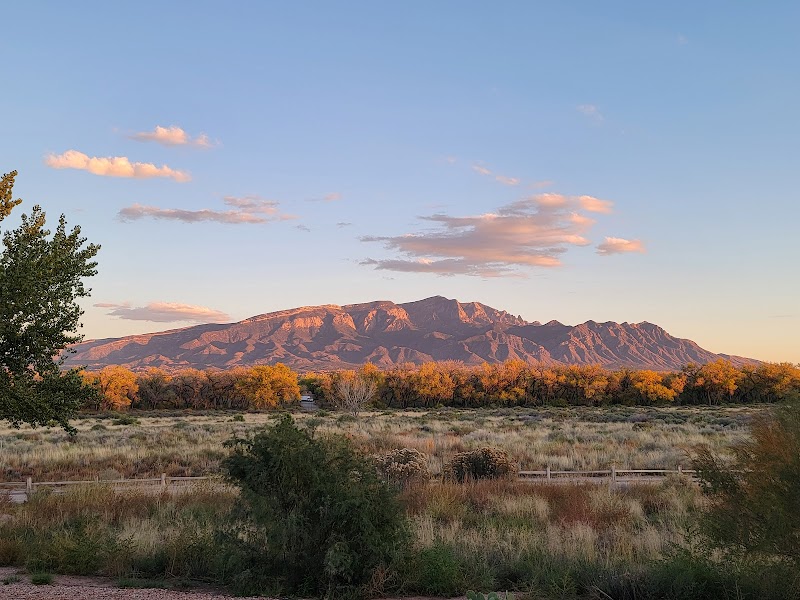
Long Mynd National Nature Reserve covers approximately 1,500 hectares of upland heath and moorland in Shropshire, England. The reserve features rolling hills and steep valleys formed by glacial and fluvial processes, with the Long Mynd plateau reaching elevations of about 516 meters (1,693 feet). Geographically part of the Shropshire Hills Area of Outstanding Natural Beauty, the area is renowned for its heather-clad moorland, blanket bogs, and dry heath habitats supporting a rich ecological community. The region is home to rare flora including bilberry, ling, and various sphagnum moss species, as well as fauna such as red grouse, curlew, skylark, and other upland bird species. Historically, the Long Mynd has evidence of Bronze Age settlements, ancient burial mounds, and medieval farming remains, highlighting its longstanding human interaction. Outdoor enthusiasts can explore over 30 miles of footpaths and bridleways that traverse varied terrain, from gentle valley walks to challenging ridgeline hikes. Popular activities include hillwalking, mountain biking, horse riding, and wildlife watching, with sites like Carding Mill Valley serving as visitor hubs. Notable landmarks include Stiperstones Ridge visible to the east and the Long Mynd's highest point at Pole Bank. Visitors are attracted by the area's quiet natural beauty, scenic vistas, and rich biodiversity, making it a favored destination for both daytrippers and multi-day explorers. Conservation efforts focus on preserving heathland habitats and native species, maintaining the balance between recreation and environmental protection.