Wilderness Landscape & Natural Heritage
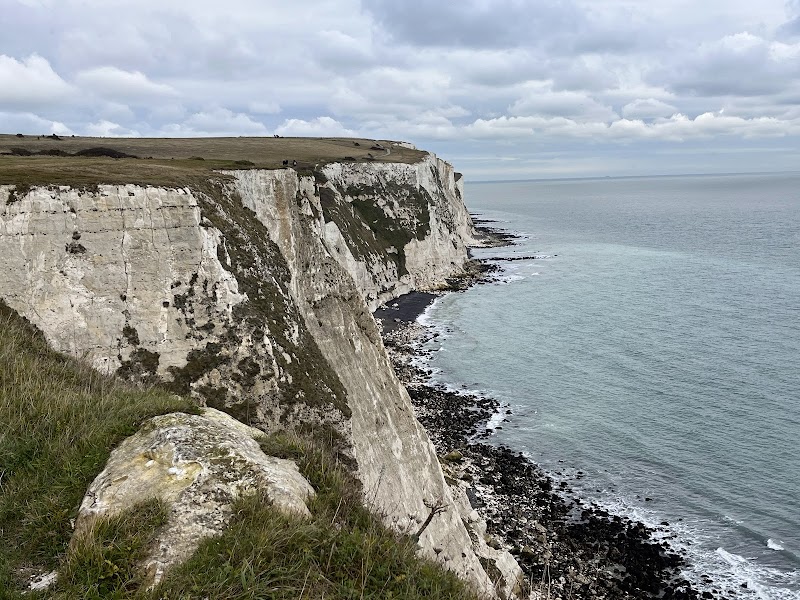
Suffolk Coast National Nature Reserve stretches along the eastern coastline of England, encompassing diverse coastal habitats including salt marshes, mudflats, reed beds, heathlands, and beaches. This reserve plays an essential role in conserving some of the most important wetland ecosystems in the UK, which support internationally significant populations of birds such as avocets, redshanks, and marsh harriers. The reserve also protects extensive colonies of plants adapted to saline and coastal conditions. Historically, the area was shaped by centuries of tidal action and human interaction, with evidence of medieval settlement and use of the land for grazing and fishing. Today, it is managed jointly by several conservation organizations to maintain its ecological integrity while providing opportunities for nature observation and coastal recreation. Visitors can experience a range of outdoor activities including birdwatching, walking along rugged trails with views of estuaries, and exploring beach stretches that are crucial roosting and breeding grounds for many species. Key landmarks include Walberswick Village, renowned for its beach and bird hides, and the Stour and Alde Estuaries, designated as a Site of Special Scientific Interest and Special Protection Area. The reserve's accessibility and diverse ecosystem make it a popular spot for naturalists, photographers, and families seeking quiet coastal experiences. The Suffolk Coast National Nature Reserve stands as both a sanctuary for wildlife and a welcoming place for outdoor enthusiasts wanting to connect with England’s coastal environment.