Wilderness Landscape & Natural Heritage
Death Valley National Park encompasses over three million acres of deserts and mountains. Known for its stark, otherworldly beauty, the park features iconic landmarks such as Badwater Basin, the lowest point in North America. The park is characterized by its vast salt flats, sand dunes, badlands, valleys, and canyons. Despite its harsh conditions, Death Valley supports a surprising diversity of plant and animal life adapted to the intense heat and dry conditions. The park's rich geological history is evidenced by its rock formations and varied landscapes that draw geology enthusiasts worldwide. Established as a national monument in 1933 and later a national park, it remains a mecca for outdoor activities ranging from hiking and stargazing to off-road driving. Its vastness offers solitude and an opportunity to witness one of the darkest night skies in the country, making it a favorite for both nature lovers and adventurers.
Unearthing the Secrets of Death Valley National Park
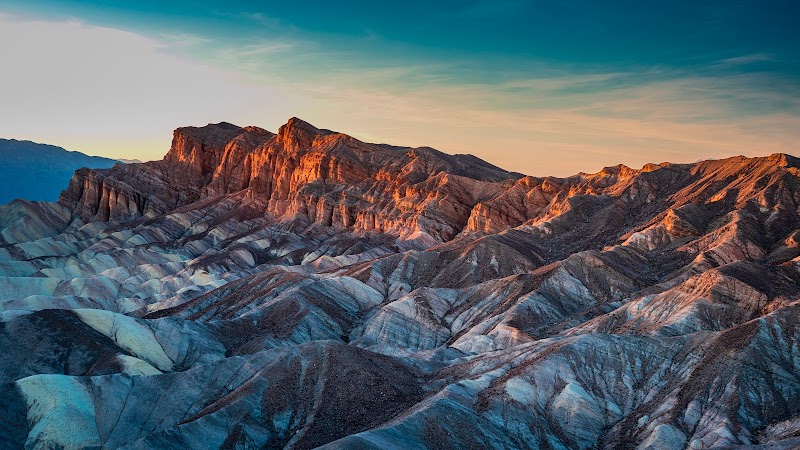
In the heart of the American West, straddling the border of California and Nevada, lies the enigmatic Death Valley National Park. This awe-inspiring expanse covers over three million acres, offering adventurers and nature enthusiasts a journey through some of the most extreme and otherworldly landscapes on Earth. Known for its staggering heat and dramatic desert vistas, Death Valley is a testament to nature’s raw and unyielding beauty. Begin your exploration at Furnace Creek Visitor Center, your first stop for updated park information and maps; it’s the perfect launchpad for your journey through the park's geologic wonders. One of the must-see attractions is Badwater Basin, the lowest point in North America at 282 feet below sea level. As you tread the expansive salt flats, feel the past footsteps of pioneer adventurers and marvel at the vastness that stretches toward a horizon painted with layers of desolate beauty. As sizzling temperatures subside from late fall to early spring, the park opens up to a myriad of activities beyond just sightseeing. Hiking enthusiasts can tackle the Golden Canyon Trail, a moderate four-mile adventure through breathtaking rock formations and narrow canyons that echo with the whispers of ancient times. For a more leisurely stroll, the Badwater Salt Flat Trail offers an easier path through the iconic basin. Camping under one of the darkest night skies in the country is an absolute for any avid stargazer. With reservations recommended in the cooler seasons, Furnace Creek Campground offers developed sites with close proximity to key park features. For a more rustic experience, the primitive charms of Stovepipe Wells Campground allow for a night under a stunning celestial canopy. Photography opportunities abound, particularly at Zabriskie Point where sunrise and sunset cast a breathtaking light upon golden-colored badlands, turning the landscape into a canvas of vivid hues and captivating shadows. Be equipped with plenty of water, sunscreen, and a wide-brimmed hat, as the valley can surprise you with its ferocity even in milder seasons. Death Valley’s extreme summer conditions discourage ventures during the hottest months when temperatures soar well past the century mark. The adventurous spirit can expand their exploration with a scenic drive, unveiling the park's splendor from the comfort of your vehicle. Daring natural elements dare you to explore further into landscapes such as the polished marble walls of Mosaic Canyon or the sweeping vistas from Dante's View. Despite its foreboding name, Death Valley teems with life, showcasing unique flora and fauna that have remarkably adapted to the unforgiving environment. But it remains a fragile ecosystem, one that faces continual threats from climate change and the pressures of human visitation. As you wander through this arid paradise, remember to tread lightly and respect the delicate balance that sustains its beauty. Whether you chase the adventure or seek solace in its solitude, Death Valley National Park offers an unforgettable journey into the desert that tests the limits of endurance, awe, and understanding.