Wilderness Landscape & Natural Heritage
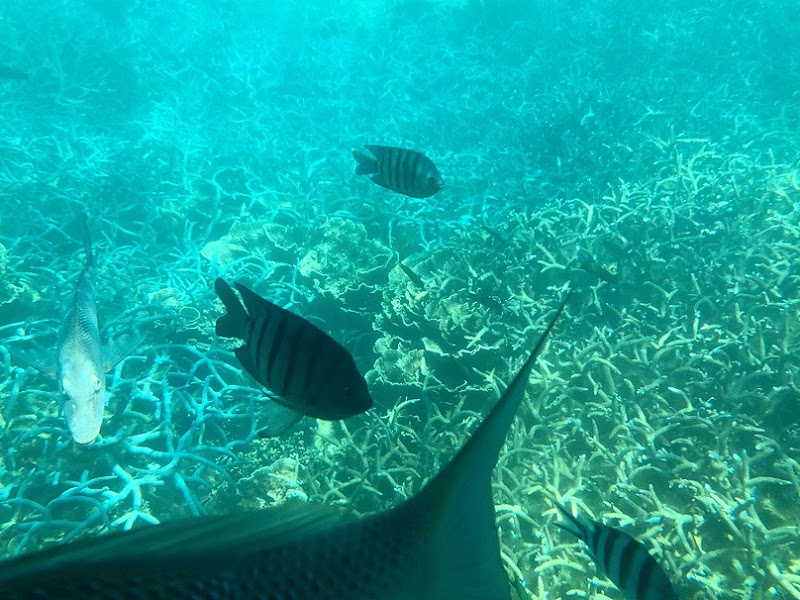
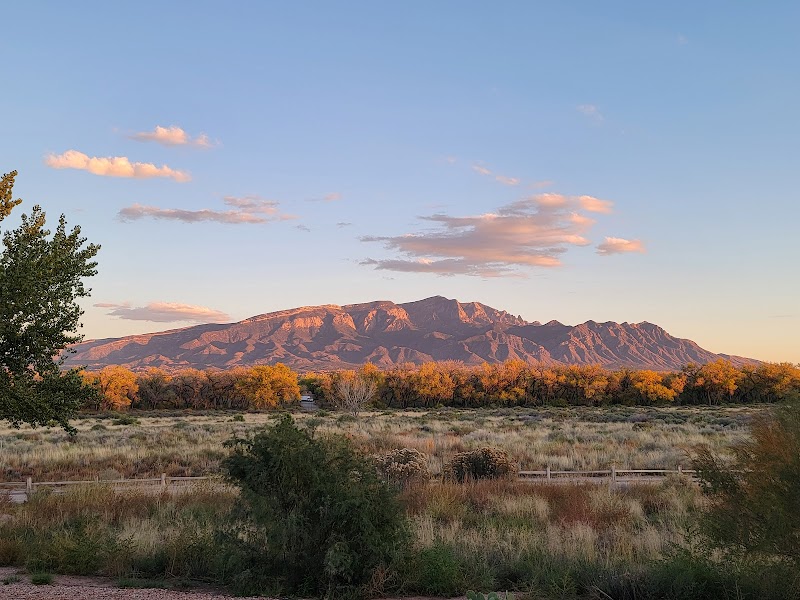
Dirk Hartog Island National Park is located off the coast of Western Australia in Shark Bay, encompassing one of the continent’s largest and most ecologically significant islands. Covering approximately 63,000 hectares, the park preserves a diverse array of habitats ranging from sandy beaches, coastal dunes, limestone cliffs, to inland shrublands. The island is especially important for wildlife conservation, hosting several endemic and threatened species including the Dirk Hartog Island bandicoot, rufous hare-wallaby (mala), and western grasswren, as part of a large-scale fauna reintroduction and eradication program. Dirk Hartog Island holds historical value as the site of the first recorded European landing on Australia by Dutch explorer Dirk Hartog in 1616, marked by the famous Dirk Hartog Plate left behind during his visit. Outdoor enthusiasts can enjoy activities like hiking along coastal trails, 4WD exploring, beachcombing, snorkeling, and abundant wildlife viewing including marine life such as dolphins and dugongs in surrounding Shark Bay waters. The island’s isolation and limited visitor numbers create a sense of wilderness, while its extensive conservation efforts aim to restore ecosystems to their pre-invasive species state. Iconic landmarks include the Blowholes natural sea caves, lighthouse ruins, and historic homesteads. Access to the island is by ferry or light aircraft, typically from the nearby town of Denham. The park appeals to visitors seeking solitude, rugged landscapes, and a blend of natural and cultural heritage in a remote protected setting.