As you step into Kibale National Park, the heart of Uganda's western region pulses with life, a vibrant canvas of dense rainforests and shimmering streams. Every click of your camera captures not j...
National Park183,0004+ Trails
1993NATIONAL PARK
DesignationNational Park
Total Wilderness Area183,000
Elevation / TerrainDiverse Wilderness
Field Editorial Guide
About Kibale National Park
Kibale National Park is renowned for its exceptional biodiversity and is a top destination for primate tracking, particularly chimpanzees.
Wilderness Landscape & Natural Heritage
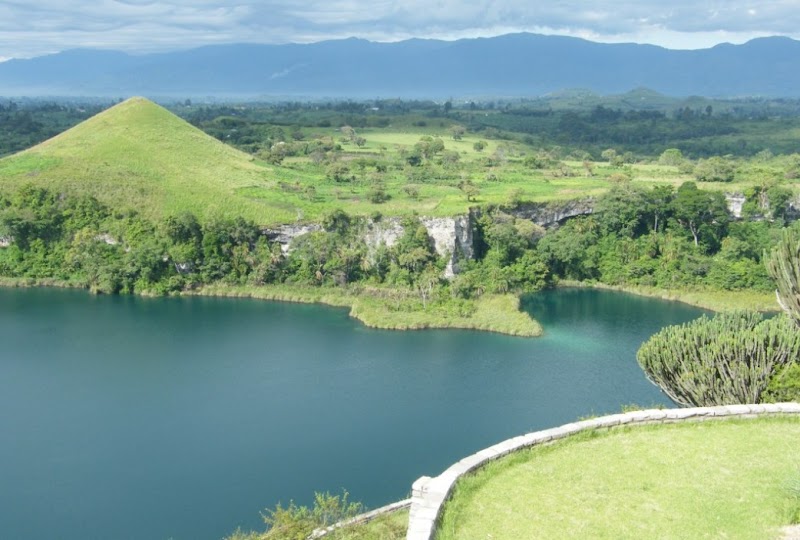
Kibale National Park, located in the Western Region of Uganda, is known for its rich biodiversity, especially its high concentration of primates. Established in 1993, the park covers an area of approximately 296 square miles (766 square kilometers). The park's varied altitude and habitat range create an environment supporting a wide range of flora and fauna, making it one of the best ecotourism destinations in Africa. It is home to 13 primate species, including chimpanzees, black-and-white colobus monkeys, and the rare L'Hoest's monkey. Kibale's diverse habitats include tropical rainforest, woodland, savanna, and swamps. Visitors can enjoy guided chimpanzee tracking tours, nature walks, bird watching, and explore the park's rich cultural heritage through interactions with local communities. The Bigodi Wetlands and Ndali-Kasenda Crater Lakes are notable features that enhance its visitor appeal.
Field Guide · National Park
Adventure Destinations
Notable Destinations Near Kibale National Park
Scenic viewpoints, outdoor landmarks, and notable points of interest within 60 miles.
Key Wilderness Highlights
✦ Chimpanzee tracking✦ Bigodi Wetlands Sanctuary✦ The Ndali-Kasenda crater lakes✦ Night primate walks
Wilderness Visuals & Gallery
Visual Guide to Kibale National Park
Wilderness Recreation
Outdoor Adventures in Kibale National Park
Explore curated guides for top outdoor sports, trail networks, and wilderness activities.
Activity Field GuideKibale National Park
Photography in Kibale National Park
Capturing the Wild: A Photographic Journey through Kibale National Park
As you step into Kibale National Park, the heart of Uganda's western region pulses with life, a vibrant canvas of dense rainforests and shimmering streams. Every click of your camera captures not just an image, but an emotion—the excitement of discovery mingles with the serene pulse of nature. As you traverse the winding trails, feel the soft loamy earth underfoot and breathe in the crisp, fresh air imbued with the earthy scent of foliage after a gentle rain.
The park boasts a remarkable diversity of wildlife, making it an ideal destination for both amateur and professional photographers. With over 13 species of primates, including the lively chimpanzees that swing playfully from branches above, your lens will have plenty to focus on. Early morning is magical; the first light filters through the leaves, casting a soft glow on the dew-kissed foliage, while the sounds of nature awaken—the crisp calls of birds and the rustle of leaves create an auditory backdrop that enhances your creative experience.
Kibale is not just a feast for the eyes; it is a living, breathing ecosystem. As you roam through its depths, you might find yourself at the edge of a swamp, where vibrant green reflects against still waters, and the calls of blue-headed coucals echo in the air. Patience is key as you wait for the perfect shot; moments here unfold slowly, each one a gift. Bring along a telephoto lens to capture the unique expressions of the park's inhabitants, from the playful antics of the grey-cheeked mangabey to the stately posture of the black-and-white colobus monkey, whose graceful leaps near the treetops can be a highlight of your day.
Don’t just focus on fauna; the flora is equally captivating. Giant ferns, vivid orchids, and towering mahogany trees provide a spectacular backdrop. Capture the intricate details of a blooming flower or the textured bark of ancient trees. For the best light, explore during the golden hours of early morning and late afternoon, when shadows and highlights play off each other to create dramatic compositions.
Navigating the park is straightforward, but here’s a tip: hire a knowledgeable guide. They can lead you to the best vantage points while sharing insights into the ecosystem that make your photographs not just visually stunning but intellectually enriching too. Expect to walk several kilometers on well-marked trails, so sturdy footwear is essential. Bring a light daypack with camera gear, plenty of water, and snacks to keep your energy high.
Kibale’s biodiversity is remarkable, but it’s the interactions that truly bring your visit to life. As you quietly observe a troop of chimpanzees engaged in their social rituals, the connection between observer and observed deepens. Keep your shutter clicks respectful and measured—after all, you are a guest in their vibrant world. Capture the bond of this family unit: the playful juvenile swinging between branches, an elder resting and observing, every moment telling an untold story.
As your day draws to a close, find a quiet spot to reflect on your experiences. With a panoramic view of the forest canopy, the setting sun creates a backdrop painted in shades of gold and orange—a perfect moment to capture both in spirit and in frame. Consider investing in a tripod for these low-light scenarios, ensuring your images remain steady while you embrace the beauty of dusk settling over the wilderness.
Kibale National Park isn’t just a destination; it’s an invitation to lose yourself in nature’s embrace. Each snapshot you take is a reminder of the adventure—the thrill of capturing fleeting moments that join you in memory long after the trip is over. So, pack your gear, take a deep breath, and prepare for a photographic journey that promises to enliven your spirit and enrich your portfolio.
Other Available Activity Guides in Kibale National Park:
The Ranger Station
Visitor Logistics & Essential Planning
Everything you need to know about entrance passes, seasons, visitor centers, road transit, and wildlife safety in Kibale National Park.
Passes & Fees
Entrance Requirements & Interagency Passes
Entry fees and permits are required for chimpanzee tracking.
Wilderness Checklist
Carry paper topographic map & compass in remote zones.
Store all food and scented items in approved bear canisters.
Check wildfire / smoke advisories before backcountry departure.
Pack out everything you pack in (Leave No Trace).
Wilderness Stays
Camping & Overnight Stays in Kibale National Park
Frontcountry developed campgrounds, backcountry wilderness permit guidelines, and starry-night camping advice.
Primate Lodge Kibale
Situated near the Kanyanchu Visitor Center, offering access to guided tours and park facilities.
Stay, dine, and gear up in these mountain towns and scenic basecamps surrounding the park.
⌖ 11.80 miles
Gateway Basecamp
Kabarole, Uganda
Kabarole District in western Uganda offers outdoor lovers lush hiking trails, mountain biking routes, crater lakes for paddling, and abundant bird life. Fort Portal is the ideal basecamp for exploring verdant forests, wildlife parks, and unique cultural sites.
Fort Portal in Western Uganda offers vibrant access to hiking, mountain biking, and primate safaris amid volcanic hills and crater lakes. It's a top spot for chimp trekking, bird watching, and canoeing in dramatic natural landscapes.
Fort Portal is a lively gateway to Uganda’s stunning landscapes. Adventure seekers will find hiking, bird watching, and cultural experiences in this vibrant town.
Kasese, Western Uganda is an adventure hub at the foot of the majestic Rwenzori Mountains. Outdoor lovers can hike rugged trails, raft wild rivers, and go on wildlife safaris in nearby parks. It’s a prime base for exploring Uganda’s diverse landscapes and ecosystems.
Kasese, Uganda, is an adventure hub for hikes in the Rwenzori Mountains, safaris in Queen Elizabeth National Park, and cultural exploration with the Bakonzo people. Perfect for thrill-seekers!
Kyangwali is a remote Western Ugandan town offering hiking, birdwatching, and canoeing adventures along Lake Albert and forest reserves. Ideal for travelers seeking wildlife, nature, and authentic cultural encounters in an off-the-grid setting.
Dry season (December to February and June to August)