If your spirit yearns for adventure where the sky meets the majestic earth, Kinabalu Park in Sabah, Malaysia presents an exquisite playground of nature waiting to be explored. Recognized as a UNESC...
National Park186,0704+ Trails
1964NATIONAL PARK
Designation
National Park
Total Wilderness Area
186,070
Elevation / Terrain
Diverse Wilderness
Field Editorial Guide
About Kinabalu Park, UNESCO World Heritage Site
Kinabalu Park is a premier biodiversity hotspot in Southeast Asia, centered around Mount Kinabalu, the tallest peak in Borneo. Its unique ecosystems and challenging trails attract nature enthusiasts and adventure seekers from around the world.
Wilderness Landscape & Natural Heritage
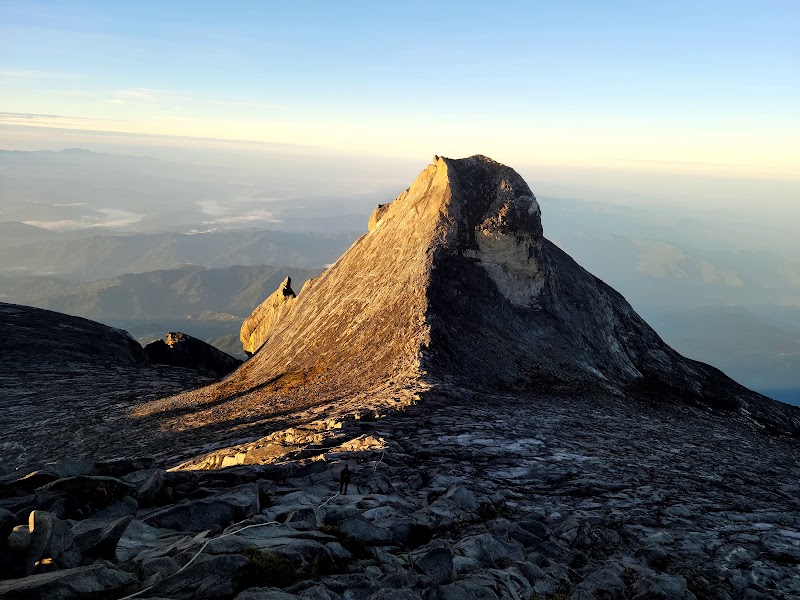
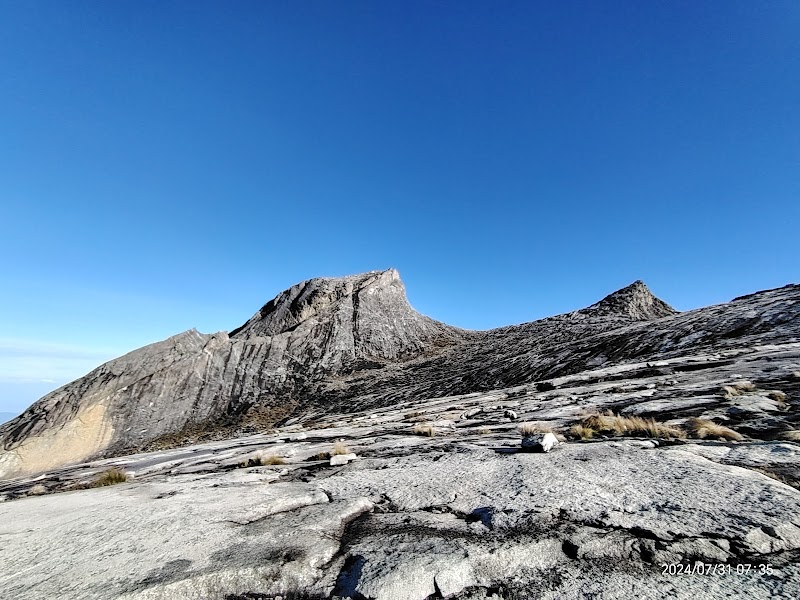
Kinabalu Park, located in the Malaysian state of Sabah on the island of Borneo, is renowned for its extraordinary biodiversity and the towering presence of Mount Kinabalu. At 4,095 meters (13,435 feet), Mount Kinabalu is the highest point between the Himalayas and New Guinea, offering breathtaking views and a strenuous climb that attracts avid hikers. Established as a national park in 1964, it became Malaysia’s first UNESCO World Heritage Site in 2000 due to its significant ecological, biological, and geological features. The park spans over 754 square kilometers and is home to more than 5,000 plant species, 326 bird species, and over 100 mammal species, including the elusive clouded leopard and diverse orchid and rhododendron species. The varied climate zones within the park—from tropical lowland to alpine meadow—contribute to the area's vast range of flora and fauna. Visitors enjoy numerous recreational opportunities, including guided climbs to the summit, bird watching, and exploring the well-maintained network of walking and hiking trails that traverse its lush landscapes.
Field Guide · National Park
Adventure Destinations
Notable Destinations Near Kinabalu Park, UNESCO World Heritage Site
Scenic viewpoints, outdoor landmarks, and notable points of interest within 60 miles.
Key Wilderness Highlights
✦ Mount Kinabalu summit climb✦ Rare orchid and pitcher plant species✦ Poring Hot Springs✦ Kundasang War Memorial
Wilderness Visuals & Gallery
Visual Guide to Kinabalu Park, UNESCO World Heritage Site
Wilderness Recreation
Outdoor Adventures in Kinabalu Park, UNESCO World Heritage Site
Explore curated guides for top outdoor sports, trail networks, and wilderness activities.
Activity Field GuideKinabalu Park, UNESCO World Heritage Site
Camping in Kinabalu Park, UNESCO World Heritage Site
Embark on an Unforgettable Adventure: Exploring Kinabalu Park's Majestic Landscapes
If your spirit yearns for adventure where the sky meets the majestic earth, Kinabalu Park in Sabah, Malaysia presents an exquisite playground of nature waiting to be explored. Recognized as a UNESCO World Heritage Site, this mesmerizing park boasts over 750 square kilometers of lush forests, towering summits, and riveting wildlife. The diverse ecosystems here invite both casual nature lovers and avid adventurers to embrace its untamed beauty. From the moment you step into this paradisiacal realm, the vibrant chorus of cicadas fills the air, orchestrating your journey. With each step on the rugged paths, thick canopies shield you from the sun, as the soothing rustle of leaves underfoot sets the rhythm of your hike.
Begin your adventure at the heart of the park where well-marked trails beckon. For those eager to reach great heights, the Summit Trail, which stretches over eight kilometers upward, is your ticket to one of Southeast Asia’s tallest peaks, Mount Kinabalu. Along this exhilarating path, be prepared for a variety of terrain — from smooth paths to rocky inclines — each requiring a steady foot and a spirit of determination. Marvel at the diversity that greets you; the lower slopes are adorned with thick oak and chestnut forests, gradually giving way to alpine meadows above the treeline where rare plants like the Nepenthes rajah, a carnivorous pitcher plant, find their home.
Rock climbing enthusiasts will find Kinabalu Park a wonderland of vertical landscapes. While detailed route specifications aren't tabulated here, several areas within the park offer both challenges and triumphs, demanding your respect and precision. Whether you're clinging to the limestone crags or maneuvering through tougher overhangs, each ascent is a chance to deepen your connection with nature. Ensure you have appropriate gear and check local regulations for climbing permissions, as these safeguards help protect both the environment and adventure-seekers alike.
Camping within the park is an opportunity to immerse yourself fully in its serene grandeur. Set up your tent under a blanket of stars, lulled by the gentle murmur of the Padas River mingling with night sounds. Experienced campers advocate for lightweight, moisture-wicking gear to handle the cool night temperatures and potential for sudden rain. While open fires are not permitted, portable stoves are encouraged for preparing hearty meals to restore your energy after a day of exploring. Adequate hydration is indispensable, so carry a robust supply of water or rely on filtration systems to utilize the park's freshwater sources responsibly.
Timing is crucial when planning your expedition around Kinabalu Park. The dry season, from March to August, offers favorable weather for hiking and climbing, while the cooler air enhances visibility for photography enthusiasts eager to capture breathtaking vistas over the low-lying clouds. Remember, the essence of an adventure is not merely in reaching your destination, but in learning to cherish every moment of the journey.
As the sun sets, painting the peaks with hues of crimson and gold, a comforting realization settles in — Kinabalu Park is not just a destination but a living, breathing monument to the wonders of our natural world. Its trails offer stories, its peaks offer perspective, and its diverse life forms all remind us of our connection to the earth we tread. Here, the horizons are endless, just as the opportunities awaiting each intrepid soul who ventures into this awe-inspiring land. Happy exploring!
Other Available Activity Guides in Kinabalu Park, UNESCO World Heritage Site:
The Ranger Station
Visitor Logistics & Essential Planning
Everything you need to know about entrance passes, seasons, visitor centers, road transit, and wildlife safety in Kinabalu Park, UNESCO World Heritage Site.
Passes & Fees
Entrance Requirements & Interagency Passes
Visitors require entrance permits and climb permits if attempting the summit.
Wilderness Checklist
Carry paper topographic map & compass in remote zones.
Store all food and scented items in approved bear canisters.
Check wildfire / smoke advisories before backcountry departure.
Pack out everything you pack in (Leave No Trace).
Wilderness Stays
Camping & Overnight Stays in Kinabalu Park, UNESCO World Heritage Site
Frontcountry developed campgrounds, backcountry wilderness permit guidelines, and starry-night camping advice.
Laban Rata Resthouse
Located near the summit trail, providing basic accommodations for climbers.
Gateway Towns Near Kinabalu Park, UNESCO World Heritage Site
Stay, dine, and gear up in these mountain towns and scenic basecamps surrounding the park.
⌖ 11.62 miles
Gateway Basecamp
Ranau, Sabah
Ranau is a lively adventure base for exploring Mount Kinabalu and Sabah's unparalleled wilderness. Engage in hiking, camping, and cultural experiences in this vibrant region.
Kota Kinabalu is a coastal adventure hub perfect for climbing Mount Kinabalu, diving in coral-rich waters, and exploring Borneo's wildlife and rich cultures.
Kundasang is a cool highland town near Mount Kinabalu, famed for hiking, bird watching, and scenic farming landscapes. It’s a perfect base for exploring Kinabalu Park and enjoying mountain air and local culture.
Kinabatangan in Sabah is a wildlife lover’s paradise offering river safaris, jungle trekking, and bird watching in Borneo’s largest rainforest. Explore its rich ecosystem from Sukau village basecamp for an unforgettable nature escape.
Segama in Sabah offers adventurous travelers untouched rainforests, rich wildlife, and peaceful river paddling. Perfect for jungle trekking, wildlife watching, and cultural immersion in Borneo's wild heart.