Wilderness Landscape & Natural Heritage
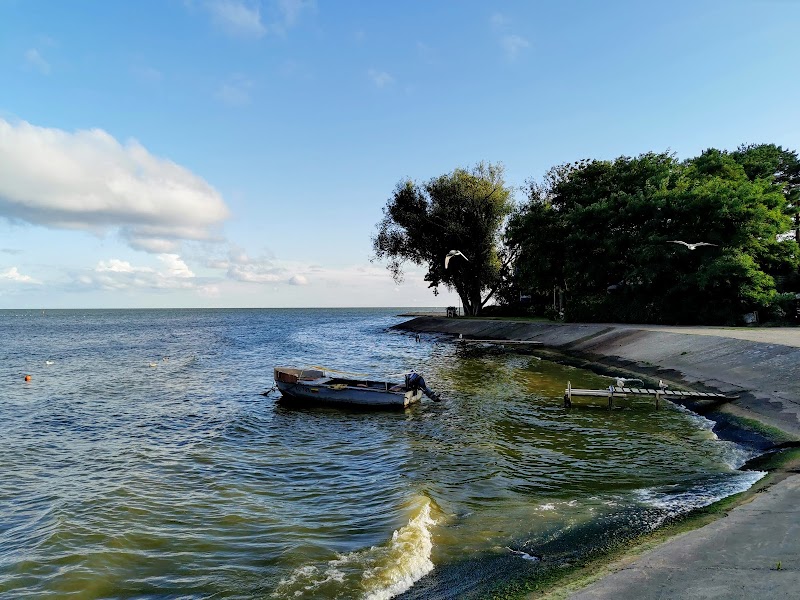
Kuršių Nerija National Park, established in 1991, encompasses the Lithuanian portion of the Curonian Spit, a 98 km long sand dune spit that separates the Curonian Lagoon from the Baltic Sea. This extraordinary landform is characterized by massive mobile sand dunes, some reaching heights of 60 meters, dense pine forests, and unique wetland habitats. The park is a UNESCO World Heritage Site jointly managed with Russia's Kaliningrad Oblast section. Visitors can explore pristine sandy beaches, tranquil pine groves, and small fishing villages that offer insight into the cultural heritage of the region. The park is home to diverse flora and fauna, including rare and protected species such as the European pond turtle and the black stork. Key recreational activities in Kuršių Nerija include hiking across the shifting dunes, birdwatching along migratory paths, cycling on coastal trails, and exploring quaint settlements like Nida with its ethnographic museum and traditional wooden architecture. Popular landmarks include the Parnidis Dune with its astronomical clock, the Dead Dunes area, and the Thomas Mann Cultural Center. The park's combination of natural beauty, cultural richness, and easy accessibility from nearby cities makes it a coveted destination for outdoor enthusiasts and nature lovers alike.