Wilderness Landscape & Natural Heritage
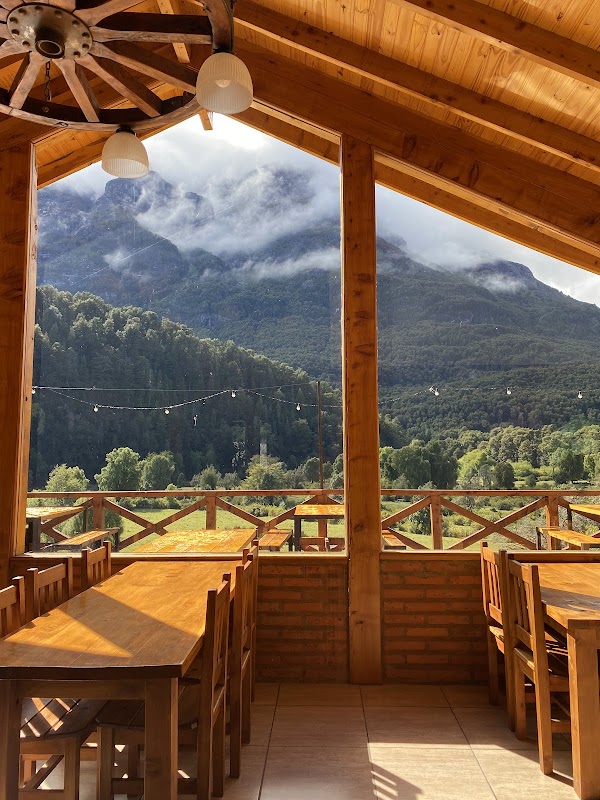
Lago Puelo National Park, established in 1971, is located in the northwestern part of Chubut Province in Argentine Patagonia. The park covers part of the lake Puelo basin, renowned for its deep blue waters framed by lush native forests and majestic Andes mountain backdrops. The terrain varies from dense Valdivian-type rainforests dominated by coihue, lenga, and ñire trees to open subalpine meadows and wetlands, providing crucial habitat for many endemic and threatened species including the southern pudú and the Patagonian huemul deer. The park's centerpiece is Lago Puelo itself, a glacial lake fed by cold, clear streams, creating a striking landscape for recreation. Visitors are drawn to activities such as hiking, horseback riding, fishing, kayaking, and birdwatching. Several well-maintained trails lead through diverse ecosystems and to viewpoints overlooking the lake and snow-capped peaks. Cultural history reflects the influence of indigenous Mapuche people alongside early European settlers in the region. Seasonal wildflower blooms and spectacular fall foliage enhance the park's natural appeal. Lago Puelo National Park balances conservation with responsible tourism, offering campgrounds and visitor facilities near the gateway town of Lago Puelo. Its proximity to the Chilean border makes it a favored stop for travelers exploring Patagonia. The park’s blend of aquatic, forest, and mountain environments makes it a jewel for nature lovers, photographers, and outdoor enthusiasts seeking tranquility and scenic beauty within a relatively accessible wilderness setting.