Wilderness Landscape & Natural Heritage
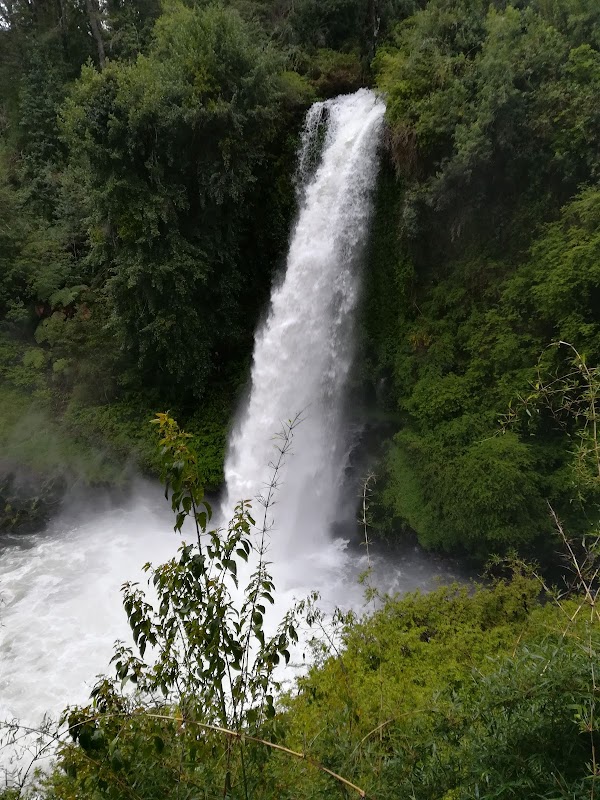
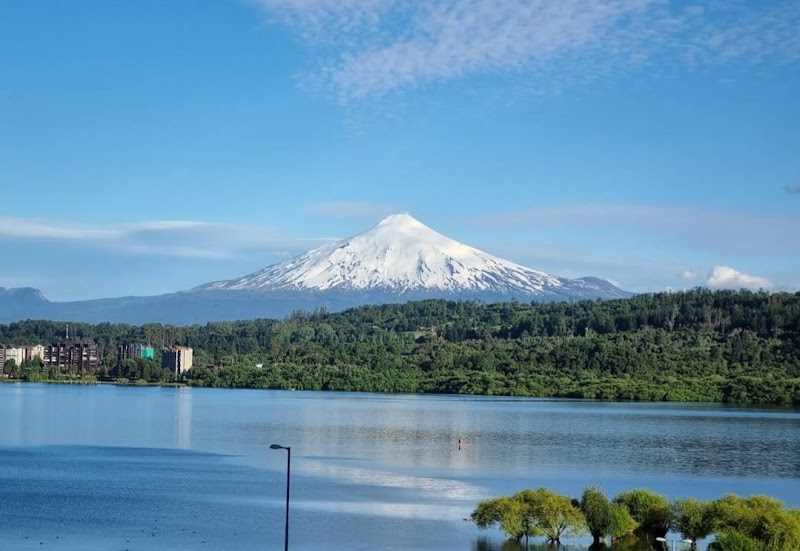
Laguna Negra National Park is situated in the northern Patagonian Andes within Neuquén Province, Argentina. Established to protect the remarkable glacial lake Laguna Negra and its surrounding ecosystems, the park encompasses an impressive mix of mountainous landscapes, lenga and coihue forests, and cold, clear waters that are home to native fish species such as rainbow trout. The park's geography is defined by sharp peaks, crystal-clear lakes, and dense forests, providing a pristine habitat for native wildlife such as the Andean condor, pudú (the world’s smallest deer), and various species of foxes and birds. The park is relatively remote and less developed compared to other Patagonian parks, which contributes to its appeal for visitors seeking solitude and wilderness experiences. Visitors can enjoy activities like fly-fishing in the cold lakes, hiking well-maintained trails that range from gentle walks to challenging climbs, and photography of the dramatic landscapes. Notable landmarks include the Laguna Negra itself, a deep, wind-swept lake surrounded by volcanic rock formations, and nearby peaks offering panoramic views. The climate features cool summers and cold, snowy winters, making summer months most popular for visiting. Due to the park’s delicate ecosystem and moderate tourism development, it remains a favored destination for those adventurous visitors who want to experience Patagonia’s natural beauty away from large crowds.