Wilderness Landscape & Natural Heritage
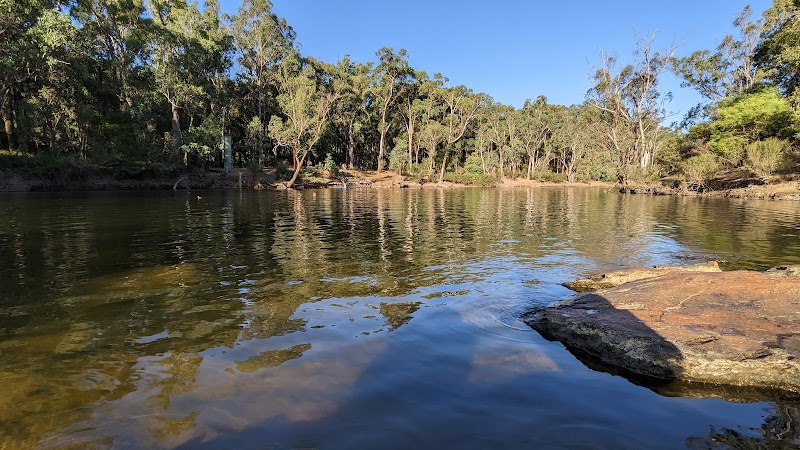
Lake Richmond National Park is located within the metropolitan region of Rockingham, Western Australia, featuring a unique coastal alkaline lake surrounded by native bushland and sand dunes. The park encompasses an important ecological wetland environment, supporting multiple rare and threatened flora and fauna species adapted to the saline and alkaline conditions of the lake. The lake itself is an ephemeral water body with fluctuating water levels influenced by seasonal rainfall, and it plays a vital role in sustaining migratory and resident waterbird populations. Vegetation in the park includes salt-tolerant samphire species and remnant coastal heathland, offering habitat diversity. Historically, the area has cultural significance to the local Noongar people, who have traditionally used the site for resources and ceremonies. Recreational opportunities focus primarily on nature observation, birdwatching, and moderate walking trails that provide interpretative signage about the ecological and cultural importance of the park. While there are no formal campground facilities within the national park, nearby outdoor locations in Rockingham offer access for visitors. The park attracts nature enthusiasts and visitors keen to observe rare wetland ecosystems close to the metropolitan area. Facilities include picnic spots and informative panels to enhance visitor understanding of the environment. Lake Richmond National Park stands out for its ecological rarity as a saline coastal wetland within an urbanized region, maintaining natural biodiversity and serving as an important refuge for wildlife.