Wilderness Landscape & Natural Heritage
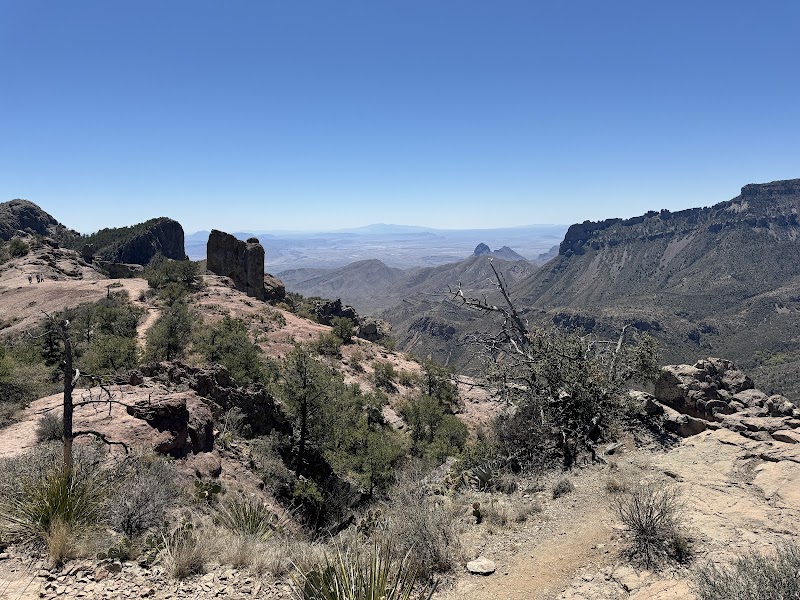
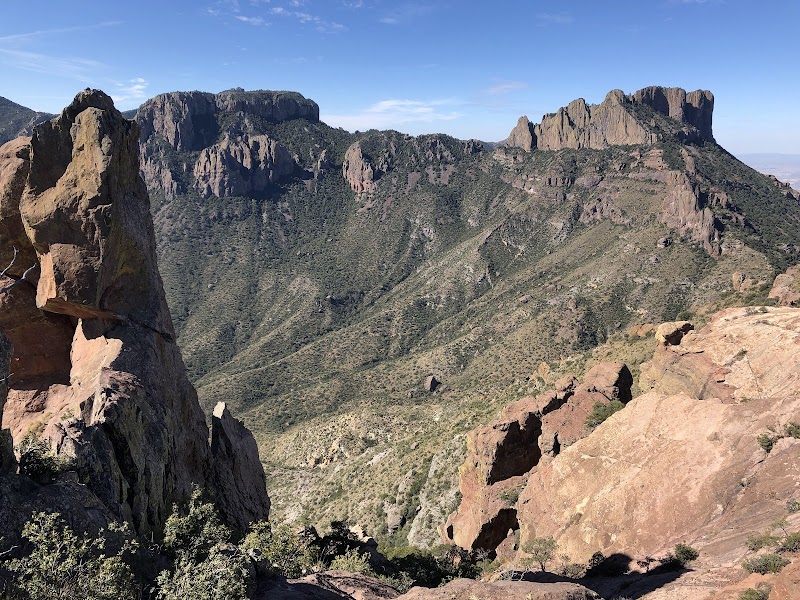
Big Bend National Park covers over 800,000 acres in southwestern Texas, bordering Mexico along the Rio Grande River. The park's geography includes the dramatic Chisos Mountains, extensive desert lowlands, the striking river gorge of the Rio Grande, and diverse canyons such as Santa Elena and Boquillas. Its elevation ranges from about 1,800 feet in desert valleys to over 7,800 feet at the top of Emory Peak, providing varied habitats and climates. The park’s ecology supports over 1,200 plant species, hundreds of bird species, and numerous mammals such as javelina, mountain lions, and black bears. The geology reveals millions of years of earth history visible in fossil beds and rock formations. Historically, the area was inhabited by indigenous peoples and later explored by Spanish expeditions; remnants of mining and ranching history can also be found. Visitors come to Big Bend for multiple recreational opportunities including hiking on well-maintained trails, camping under vast night skies renowned for stargazing, river rafting and kayaking on the Rio Grande, birdwatching, and scenic driving along the Ross Maxwell Scenic Drive. Notable landmarks include the Chisos Basin, Santa Elena Canyon, and Balanced Rock. The park’s remoteness offers a wilderness experience with minimal light pollution and abundant wildlife sightings, drawing outdoor enthusiasts and nature lovers from around the world.