Wilderness Landscape & Natural Heritage
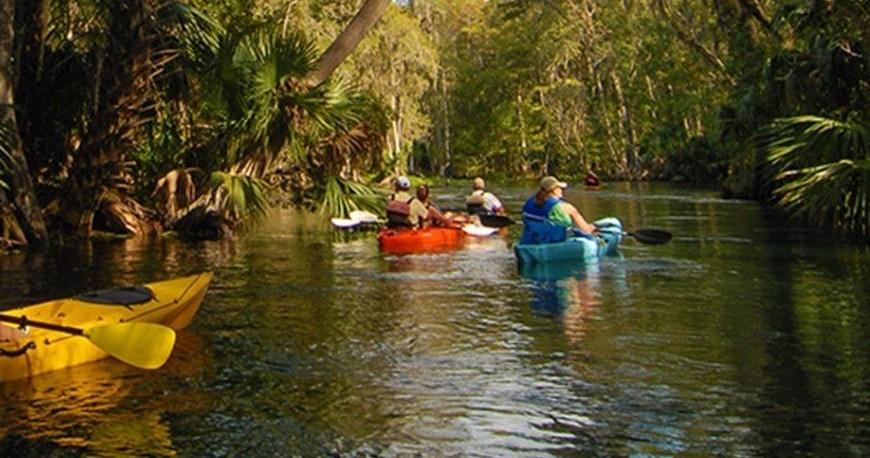
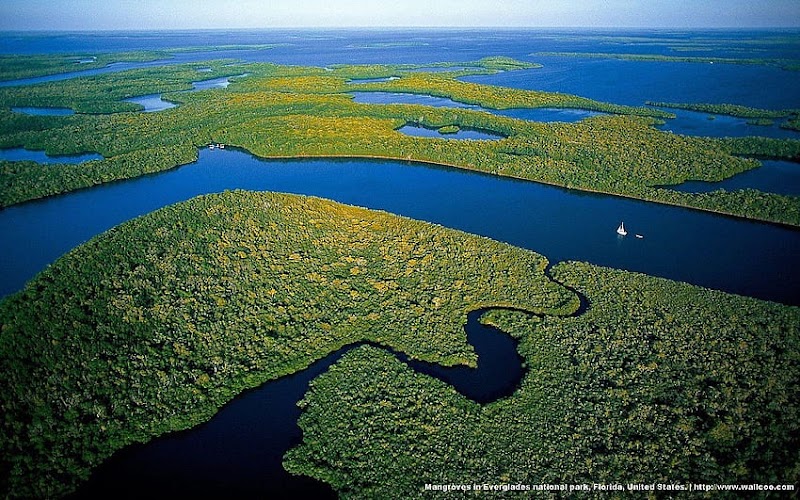
Everglades National Park spans over 1.5 million acres in southern Florida, preserving a vast and diverse wetland ecosystem that includes sawgrass marshes, mangrove forests, hardwood hammocks, and coastal estuaries. It is home to an extraordinary variety of wildlife, such as the endangered Florida panther, American crocodile, West Indian manatee, and numerous bird species including roseate spoonbills and great egrets. The park’s landscape is defined by the slow-moving 'River of Grass,' a shallow sheet of water that flows from Lake Okeechobee to Florida Bay. Established in 1947 and designated a World Heritage Site, Everglades is both a critical habitat and a popular destination for outdoor recreation. Visitors can explore the park via extensive canoe and kayak routes, boardwalks, and hiking trails, or embark on boat tours and ranger-led programs. Notable landmarks include Shark Valley with its observation tower and Anhinga Trail, where wildlife watching is exceptional. The park also provides opportunities for fishing, birdwatching, and camping, offering a rare glimpse into a fragile ecosystem vital for water purification and storm protection. Everglades National Park is a premier destination for those interested in unique landscapes, nature photography, and experiencing a subtropical wilderness close to urban centers like Miami.