Wilderness Landscape & Natural Heritage
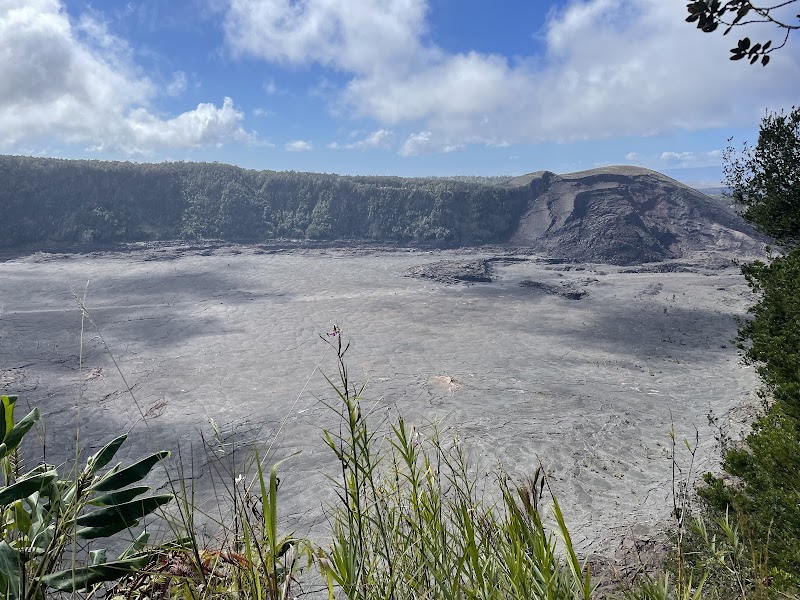
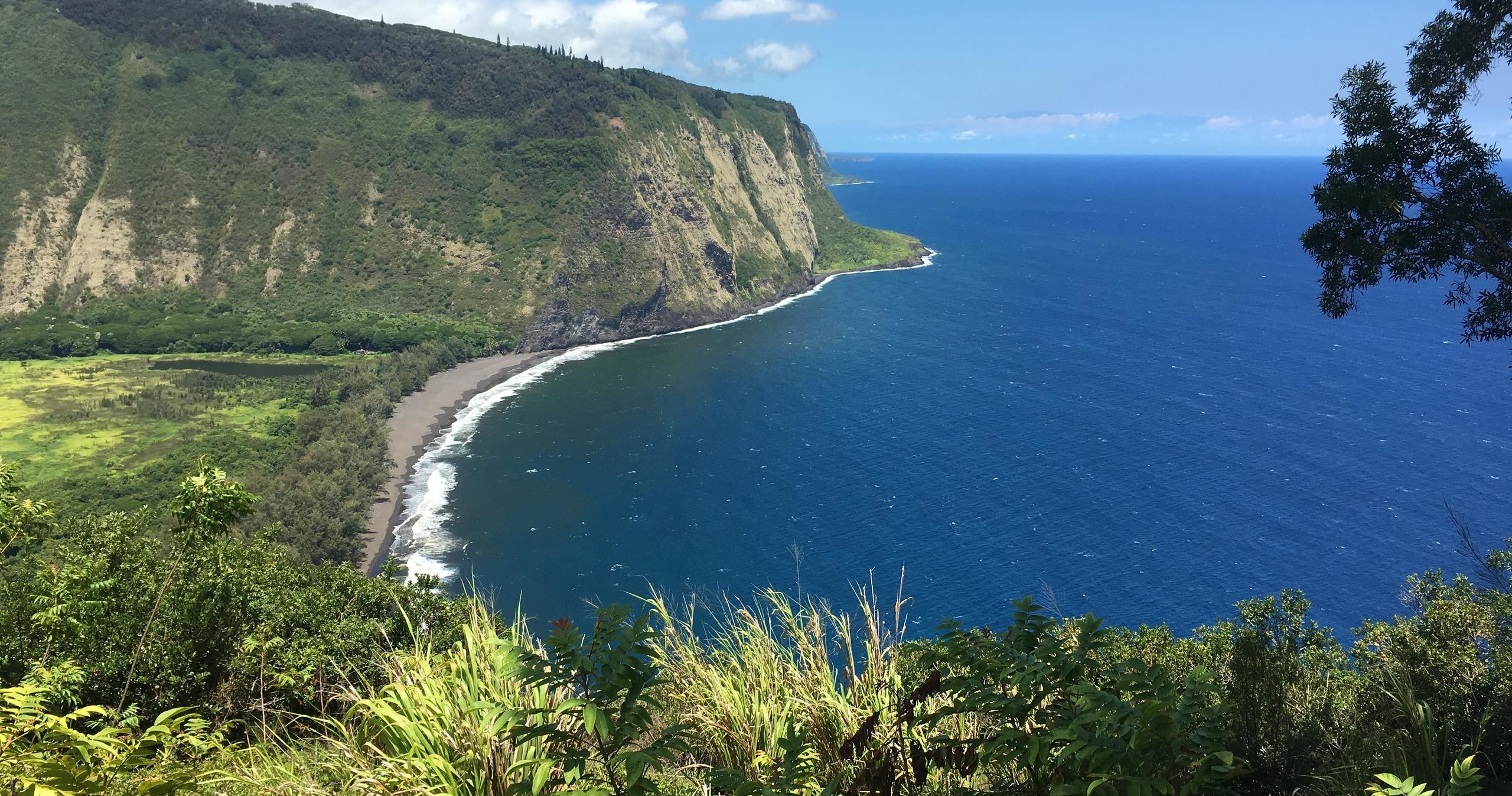
Hawai‘i Volcanoes National Park, located on the Big Island of Hawai‘i, protects two of the world’s most famous volcanoes, Kīlauea and Mauna Loa. The park covers diverse landscapes ranging from volcanic deserts to lush rainforests, at elevations spanning sea level to over 13,000 feet. Mauna Loa is the largest volcano on Earth by volume, while Kīlauea is among the most active. The park's geology is dynamic, with ongoing eruptions shaping the terrain and offering visitors a firsthand look at Earth's volcanic processes.
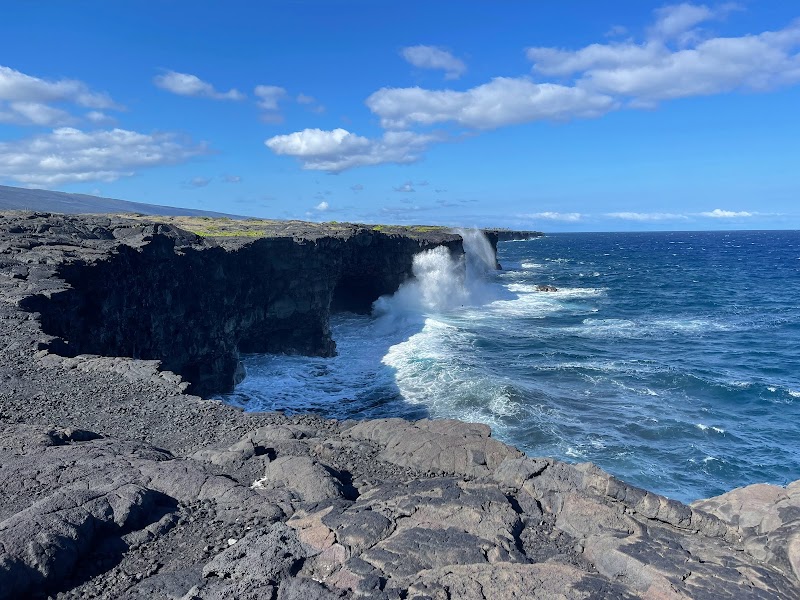
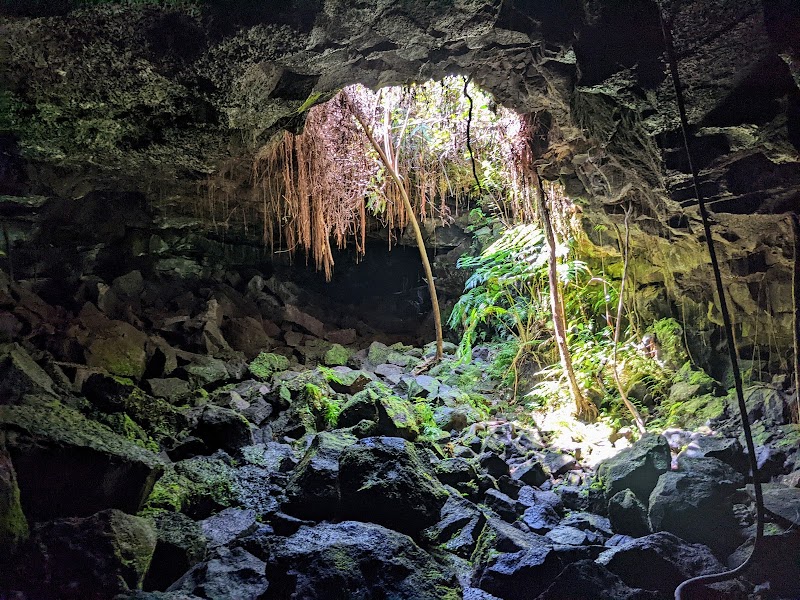
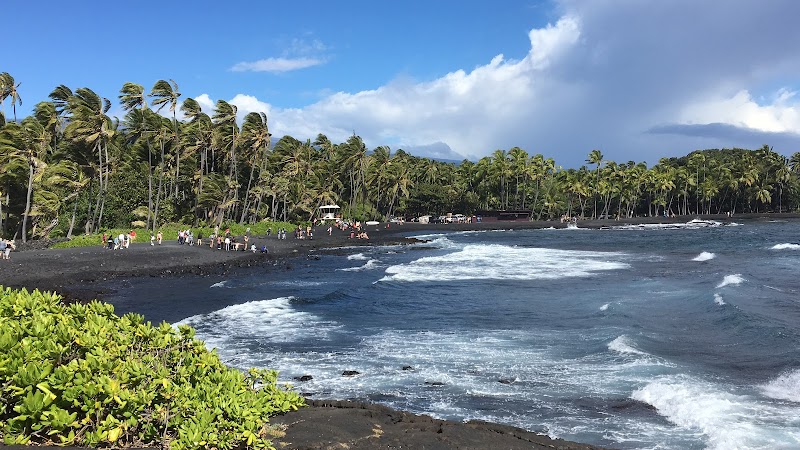
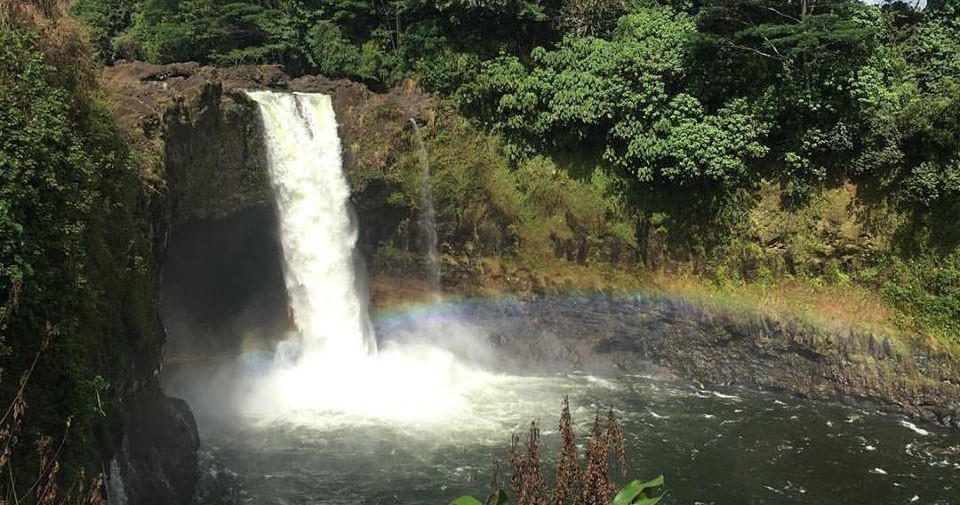
Ecologically, the park hosts unique habitats including native Hawaiian rainforests with endangered species such as the Hawaiian honeycreeper birds and rare plants like the silversword. Its varied environments include coastal zones, volcanic craters, lava tubes, and alpine deserts.
Culturally, the park is significant to Native Hawaiians, housing petroglyphs, historic settlements, and sacred sites. Visitors can explore the Volcano House, Kīlauea Visitor Center, and learn about the legends of Pele, the volcano goddess.
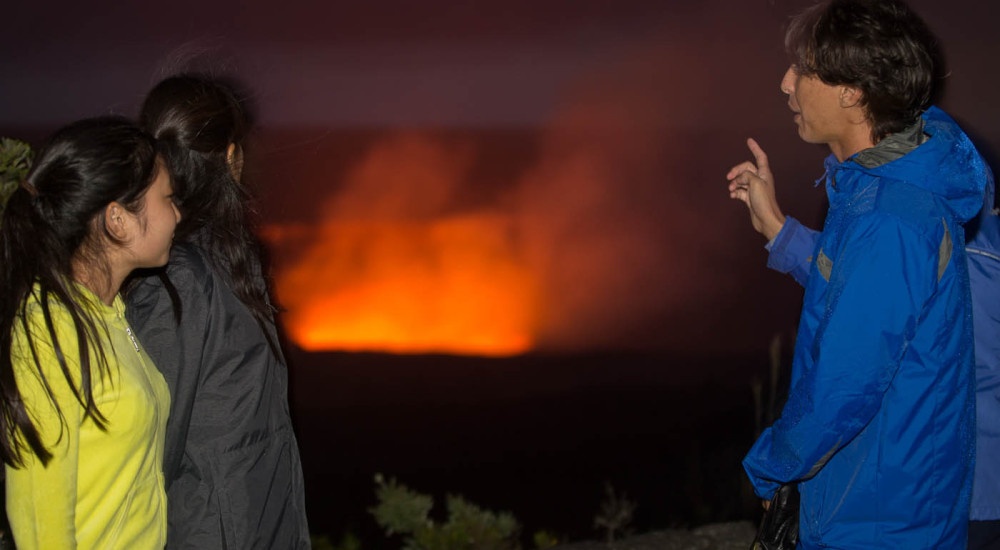
Recreation opportunities encompass hiking numerous trails (totaling over 150 miles), camping, ranger-led programs, and scenic drives such as the Chain of Craters Road leading to sea cliffs and lava flows. Notable landmarks include the Kīlauea Caldera, Thurston Lava Tube, and Halemaʻumaʻu Crater. The combination of active geology, rich biodiversity, and cultural heritage makes the park a compelling destination for outdoor enthusiasts and educational visitors alike.