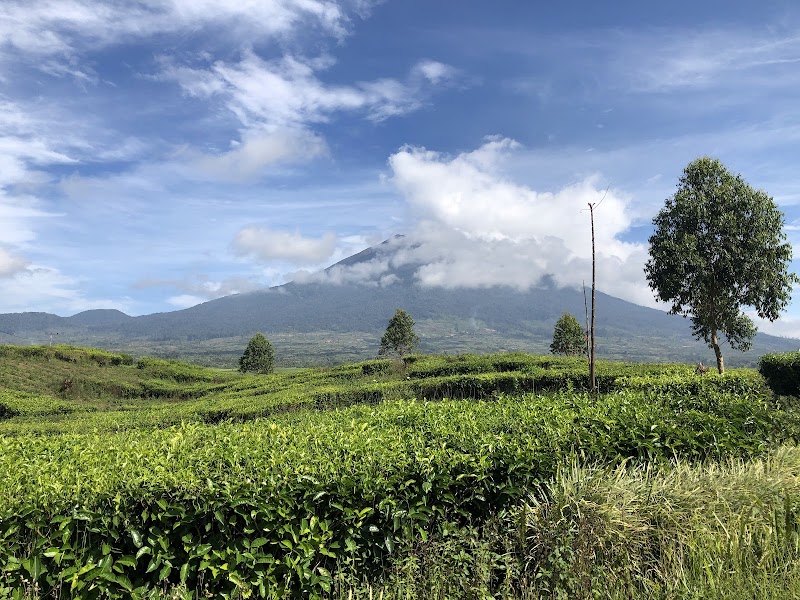
Wilderness Landscape & Natural Heritage
Kerinci Seblat National Park spans over 13,700 square kilometers across five provinces in Sumatra, Indonesia, making it the largest national park in the country. Its geography is dominated by Mount Kerinci, the highest volcano in Indonesia standing at 3,805 meters, surrounded by steep ridges, deep valleys, and a network of rivers. The park's ecosystems range from lowland rainforests and montane forests to alpine vegetation on the volcano’s slopes. The park serves as a vital habitat for critically endangered species such as the Sumatran tiger, Sumatran rhinoceros, Malayan tapir, and clouded leopard, making it an essential biodiversity hotspot within the Tropical Rainforest Heritage of Sumatra UNESCO World Heritage Site. Established in 1982, Kerinci Seblat supports both scientific research and eco-tourism, attracting visitors drawn to trekking, wildlife viewing, and mountaineering challenges. Popular activities include climbing Mount Kerinci, exploring jungle trails for orangutan and tiger sightings, and visiting the Maninjau and Kerinci lakes. The park also protects several rare bird species, enhancing its appeal to birdwatchers. Adventure seekers can enjoy long-distance trekking routes with opportunities to camp in backcountry sites, while travelers interested in local culture can explore nearby traditional Minangkabau villages. Due to its vast size and challenging terrain, visitor access points vary by region, with permits required to enter and conduct overnight stays. The park is an important center for conservation, balancing protection of its ecosystems with sustainable tourism and local livelihoods.