Wilderness Landscape & Natural Heritage
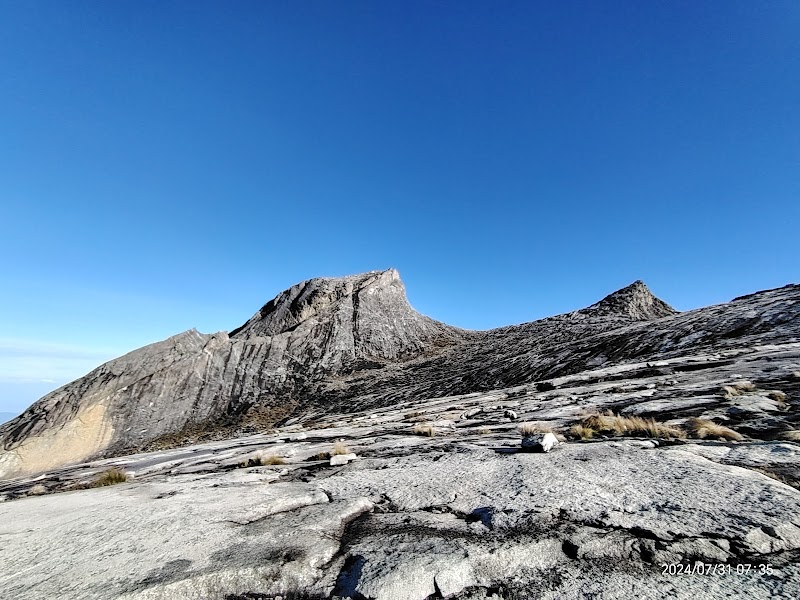
Kinabalu Park, located in the Malaysian state of Sabah on the island of Borneo, covers an area that protects an extraordinary range of flora and fauna across a diverse altitude gradient. Established in 1964 and declared a UNESCO World Heritage Site in 2000, the park’s centerpiece is Mount Kinabalu, which rises to 4,095 meters (13,435 feet), making it the tallest mountain between the Himalayas and New Guinea. The park encompasses rugged granite peaks, steep valleys, rich montane forest, and distinctive tropical ecosystems ranging from lowland rainforest to alpine meadow. This ecological diversity supports thousands of plant species including many orchids, pitcher plants, and endemic species. Wildlife includes rare mammals like the orangutan and the gibbon, as well as a wide variety of bird species. Visitors are drawn primarily to the opportunity to hike and climb to the summit of Mount Kinabalu, a challenging multi-day trek that requires a permit and guides. Besides summit attempts, the park features well-maintained nature trails for day hikes, botanical research opportunities, and bird watching. The park’s education centers and conservatories provide insight into local indigenous culture and conservation efforts. Kinabalu Park is a critical site for biodiversity conservation and sustainable eco-tourism, balancing visitor access with ecosystem protection.