Wilderness Landscape & Natural Heritage
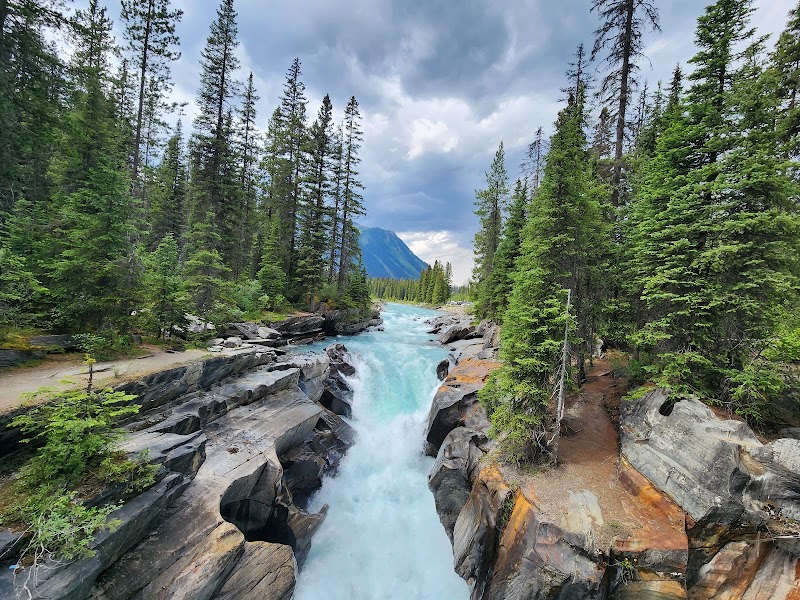
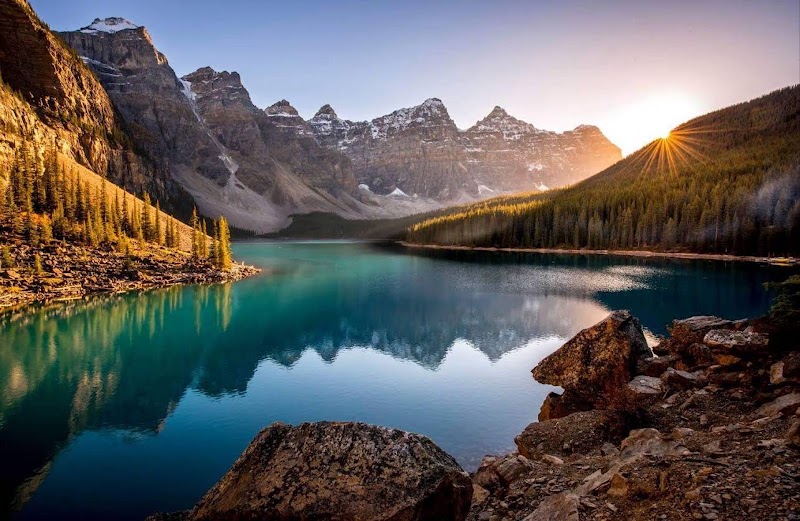
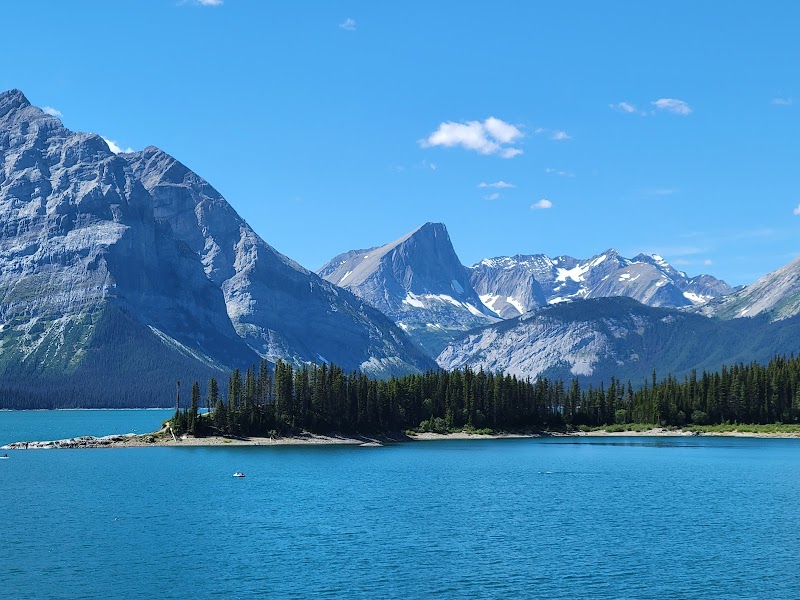
Kootenay National Park, established in 1920, is located in southeastern British Columbia, Canada, along Highway 93 within the Canadian Rockies. Spanning over 765 square miles (approximately 489,499 acres), the park features an expansive wilderness area characterized by rugged mountains, glacier-fed rivers, alpine meadows, and old-growth forests. The park is divided geographically by the Kootenay River, which flows through deep canyons and lush valleys. Notable geological features include the Paint Pots, vibrant ochre clay deposits used historically by indigenous peoples, and the Radium Hot Springs, a renowned natural thermal pool attracting visitors year-round. Ecologically, the park supports a range of wildlife including mountain goats, grizzly bears, elk, and over 200 bird species. The flora transitions from dense lodgepole pine forests at lower elevations to alpine tundra at higher peaks. Recreation ranges from hiking on extensive trail networks and camping to wildlife watching and photography. Iconic landmarks such as Sinclair Canyon, Marble Canyon, and the Stanley Glacier offer striking views and unique geological formations. The historic Radium Hot Springs village serves as a convenient gateway for visitors. Kootenay’s proximity to other national parks—like Banff and Yoho—makes it an integral component of the Canadian Rocky Mountain Parks UNESCO World Heritage Site. Visitors appreciate the blend of natural beauty, outdoor adventure opportunities, and cultural history preserved in this protected area.