Wilderness Landscape & Natural Heritage
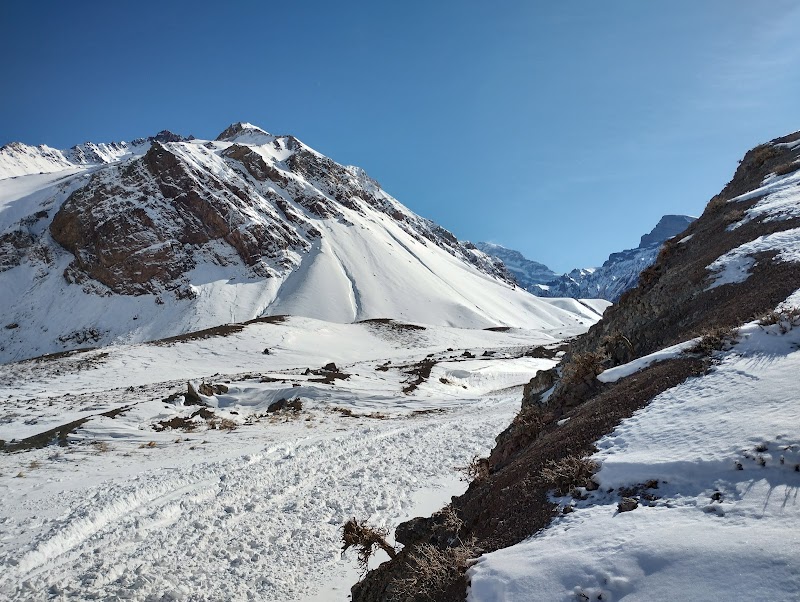
Located in central Chile’s Valparaíso Region, La Campana National Park protects a unique Mediterranean forest ecosystem dominated by native species including the Chilean palm (Jubaea chilensis). The park’s centerpiece is Cerro La Campana, a prominent peak rising to 1,880 meters, which Charles Darwin famously climbed during his 19th-century voyage. The park covers approximately 8,200 hectares and includes a variety of plant communities ranging from sclerophyllous forests to shrublands. La Campana supports a diverse fauna including endangered species such as the guanaco and Chilean Hazel grouse, along with abundant reptiles and birds. Visitors can explore an extensive trail network, with routes that lead to scenic viewpoints, waterfalls, and lush valleys. The park offers opportunities for day hiking, birdwatching, and nature study, with well-marked trails suitable for moderate to advanced hikers. Nearby vineyards and the Pacific Ocean add to the appeal of the region. This area’s relatively dry Mediterranean climate brings hot, dry summers and cool, wet winters, making spring and fall ideal for visits. The park is valued for its conservation of Chile’s native flora and fauna, historic significance, and outdoor recreation. La Campana is a protected biosphere reserve, reflecting efforts to balance environmental preservation with limited sustainable tourism. Facilities are modest, emphasizing low-impact visitation, while educational signage provides natural and cultural insights. Overall, La Campana National Park is a vital natural area offering a blend of ecological richness, stunning vistas, and outdoor adventure within close reach of Chile's central coast.