Wilderness Landscape & Natural Heritage
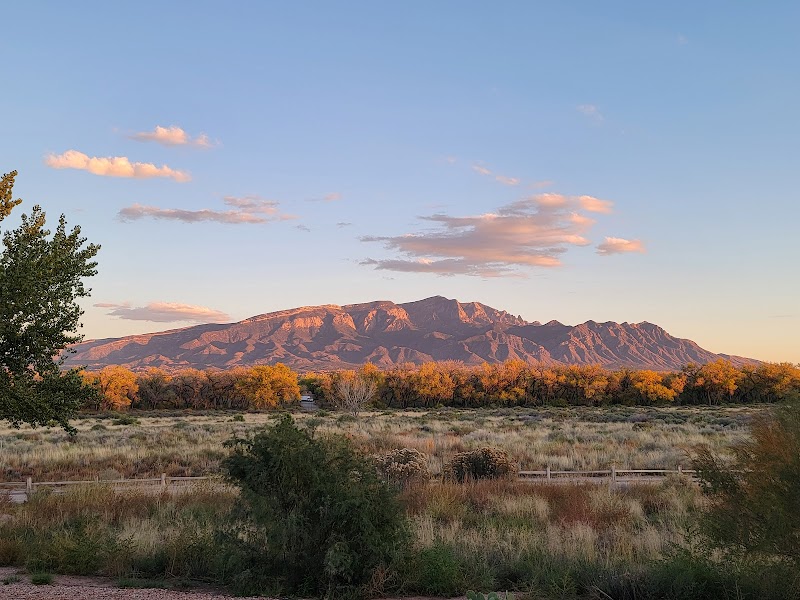
Măcin Mountains National Park is located in the northern Dobruja region of Romania, within Tulcea County. It protects the Măcin Mountains, among the oldest ranges in Romania, formed over 400 million years ago with a distinct geological history characterized by sharp peaks and steep cliffs. The park covers a relatively small area but boasts significant ecological importance due to its diverse steppe habitats, rocky outcrops, and forested patches. The park’s climate is predominantly continental with influences from the nearby Danube River, supporting both Mediterranean and Central European plant species. It is a refuge for several rare and endemic species, including the European ground squirrel and the Eastern imperial eagle. Historically, the area holds archaeological and cultural landmarks, including remnants of ancient fortresses and traditional Dobrujan rural settlements. Outdoor enthusiasts visit for hiking trails that traverse scenic ridges, birdwatching opportunities, photography, and nature study. The peak of Țuțuiatu (also known as Greci Peak) stands as the highest point, offering panoramic views of the surroundings, including the Danube Delta to the east. The blend of steep mountainous terrain with natural steppe grasslands presents a unique landscape among Romania’s protected areas. Visitors are drawn to Măcin Mountains for its combination of quiet wilderness, diverse habitats, and glimpses into regional history. The National Park also serves as an important conservation site for endangered flora and fauna, preserving a relatively undisturbed natural environment in a largely agricultural and populated region.