Wilderness Landscape & Natural Heritage
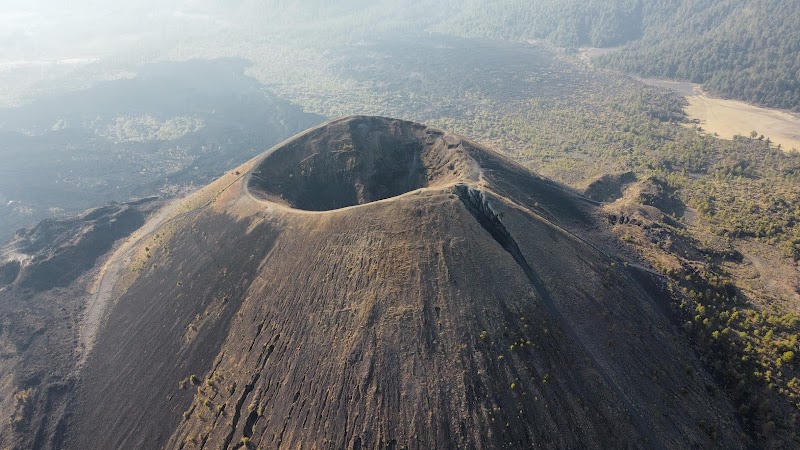
Established in 1940, National Park Pico de Tancítaro centers around the towering Pico de Tancítaro volcano, which peaks at 3,850 meters (12,631 feet), making it the highest point in the state of Michoacán and the entire Trans-Mexican Volcanic Belt. The park covers a rugged mountainous region characterized by steep slopes, deep ravines, and volcanic cones. Its ecosystems range from mixed pine-oak forests at lower elevations to alpine meadows near the summit, supporting a wealth of flora and fauna unique to this part of Mexico. The park is renowned for its endemic species, including the Mexican volcano mouse and various birds like the golden eagle and the Mexican jay. Visitors are drawn to the challenging hikes up to the summit, panoramic vistas across the volcanic belt, and the opportunity to experience serene mountain landscapes relatively undisturbed by large crowds. The park’s cultural significance is also notable, as the surrounding areas are inhabited by indigenous Purépecha communities who maintain traditional land uses nearby. Popular recreational activities include hiking, birdwatching, camping, and nature photography. Seasonal wildflower blooms and occasional snowfalls in winter enhance its natural appeal. Despite its natural richness, the park is less formally developed for tourism than other Mexican national parks, offering a more rugged and authentic wilderness experience.