Wilderness Landscape & Natural Heritage
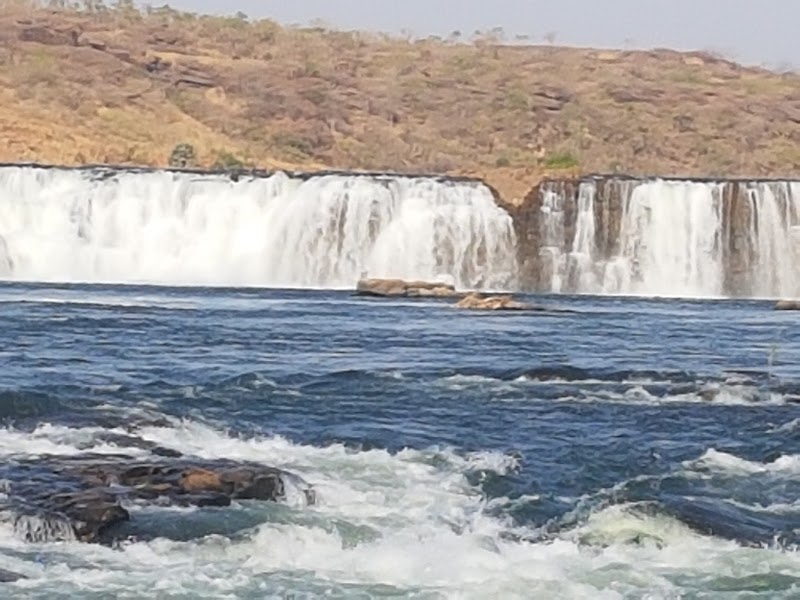
Niokolo-Badiar National Park, established in 1954, stretches across southeastern Senegal and extends into neighboring Guinea, covering a diverse landscape of savannas, dry forests, and riverine ecosystems. It lies within the Guinean Forests of West Africa biodiversity hotspot and is characterized by two major river systems: the Gambia and the Niokolo. The park protects a remarkable variety of wildlife, including large populations of African elephants, West African lions, leopards, buffaloes, chimpanzees, and numerous ungulates such as kob and roan antelope. Birdlife is prolific, with over 330 species recorded, making it an important site for ornithologists. Its terrain varies from dense gallery forests along rivers to open grasslands and rocky outcrops, offering key habitats for species adapted to both forest and savanna environments.
Historically, the park was designated in part to address poaching threats and safeguard critical wildlife populations, and today it is a UNESCO World Heritage Site. Visitors to Niokolo-Badiar can immerse themselves in guided safaris, wildlife photography, and river excursions. The park’s remoteness preserves its pristine character, but also calls for careful planning by travelers. Key landmarks include Mount Assirik with its panoramic views and the Niokolo River, home to hippos and crocodiles. The park appeals to adventurers seeking authentic African wilderness experiences, mixed with cultural interactions from nearby ethnic communities such as the Bassari and Bedik peoples.
Overall, Niokolo-Badiar National Park represents one of West Africa’s most vital conservation landscapes, blending spectacular biodiversity with raw natural beauty and offering significant opportunities for research, ecotourism, and wildlife encounters off the beaten path.