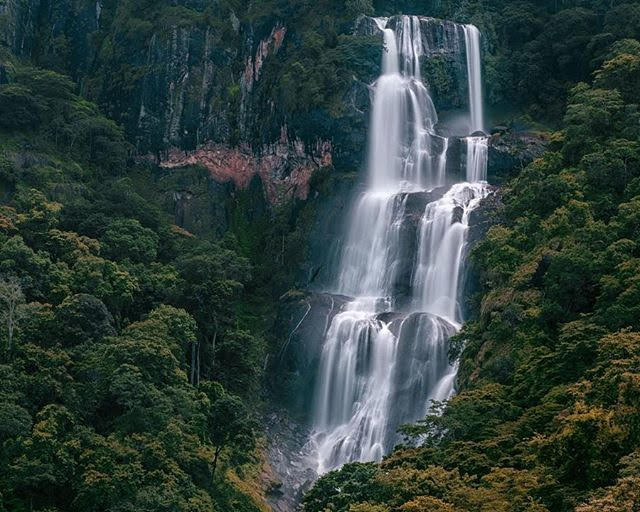
Wilderness Landscape & Natural Heritage
Nyerere National Park, formerly known as the Selous Game Reserve before its upgrade to national park status in 2019, covers vast areas of southern Tanzania. The surrounding vicinity includes a variety of habitats such as miombo woodlands, open floodplains, riverine forests, and wetlands. It is part of the larger Selous ecosystem, one of Africa's most important wildlife refuges. The park lies along the Rufiji River basin, which supports a rich diversity of flora and fauna, including large populations of elephants, African wild dogs, lions, leopards, hippopotamuses, and Nile crocodiles. The area is critical for migratory species and endemic birds, making it a prime destination for bird watchers and nature enthusiasts. Its remoteness ensures a low volume of visitors, providing a more exclusive safari experience compared to northern Tanzanian parks. Key recreation opportunities include guided game drives, walking safaris, boat safaris on the Rufiji River, and fly camping. Visitors can also explore cultural encounters with local communities living adjacent to the park. Access is primarily through hunting airfields and a few roadways, with some river transport available. The vicinity includes several smaller forest reserves and conservation areas that complement the park's biodiversity protection role. This region's wild quality and relatively undeveloped infrastructure attract adventurous travelers seeking authentic wilderness experiences, exceptional photographic opportunities, and encounters with rare wildlife. The park’s establishment has increased conservation efforts while promoting eco-tourism, supporting habitat protection, and sustaining local economies.