Wilderness Landscape & Natural Heritage
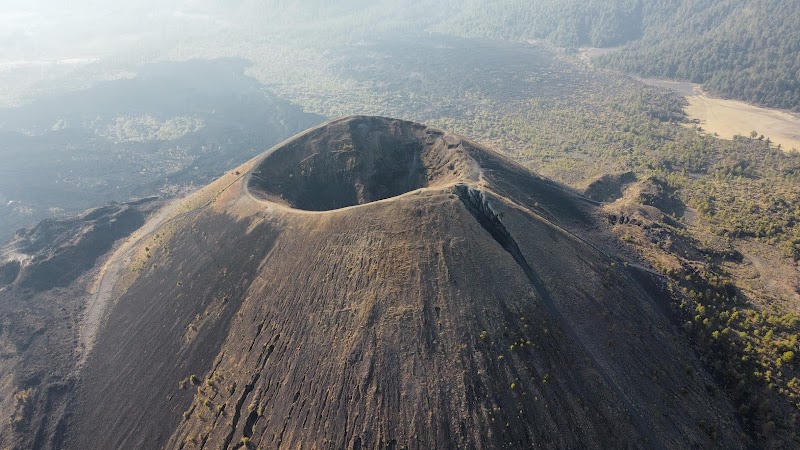
Paricutin Volcano National Park is located in the state of Michoacán, Mexico, and is dedicated to preserving the site of Paricutin Volcano, which erupted unexpectedly in a farmer’s cornfield in 1943 and rapidly grew to over 1,300 feet above the surrounding plain. The park covers the volcanic landscape created during this eruption, which lasted for nine years, making it one of the most significant geological events of the 20th century. Visitors experience an extraordinary environment dominated by hardened lava flows, volcanic ash deposits, and rugged cinder cones. The ecology is adapted to the volcanic soil, with pioneering vegetation such as shrubs and grasses beginning to reclaim the land. The park offers several trails that allow hikers to reach the volcano's crater rim, providing panoramic views of the surrounding Purépecha Highlands. Cultural heritage is also prominent, as the eruption forced the evacuation of local villages, and many Purépecha communities live nearby, preserving traditional ways of life. Outdoor enthusiasts are attracted to the moderate hikes to the crater, guided tours explaining volcanic activity, and opportunities for photography. Paricutin Volcano National Park serves as a natural laboratory for studying volcanology and ecological succession, attracting scientists and visitors alike. Its relative remoteness and fascinating geological story make it a distinctive destination within Mexico’s protected areas.